1. Why the Stella Rosa Aluminum Bottle Was Designed to Still Feel Like Wine
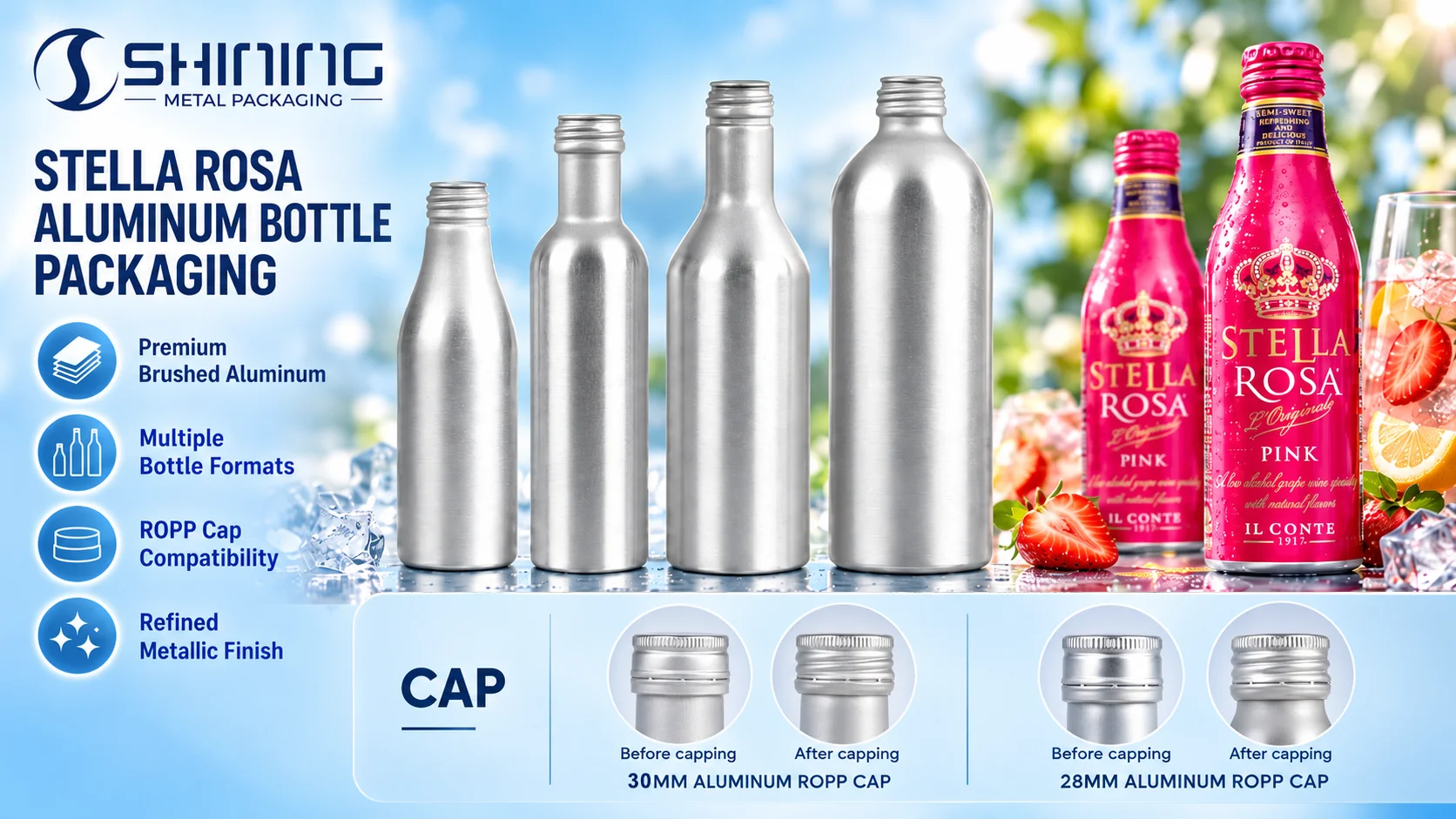
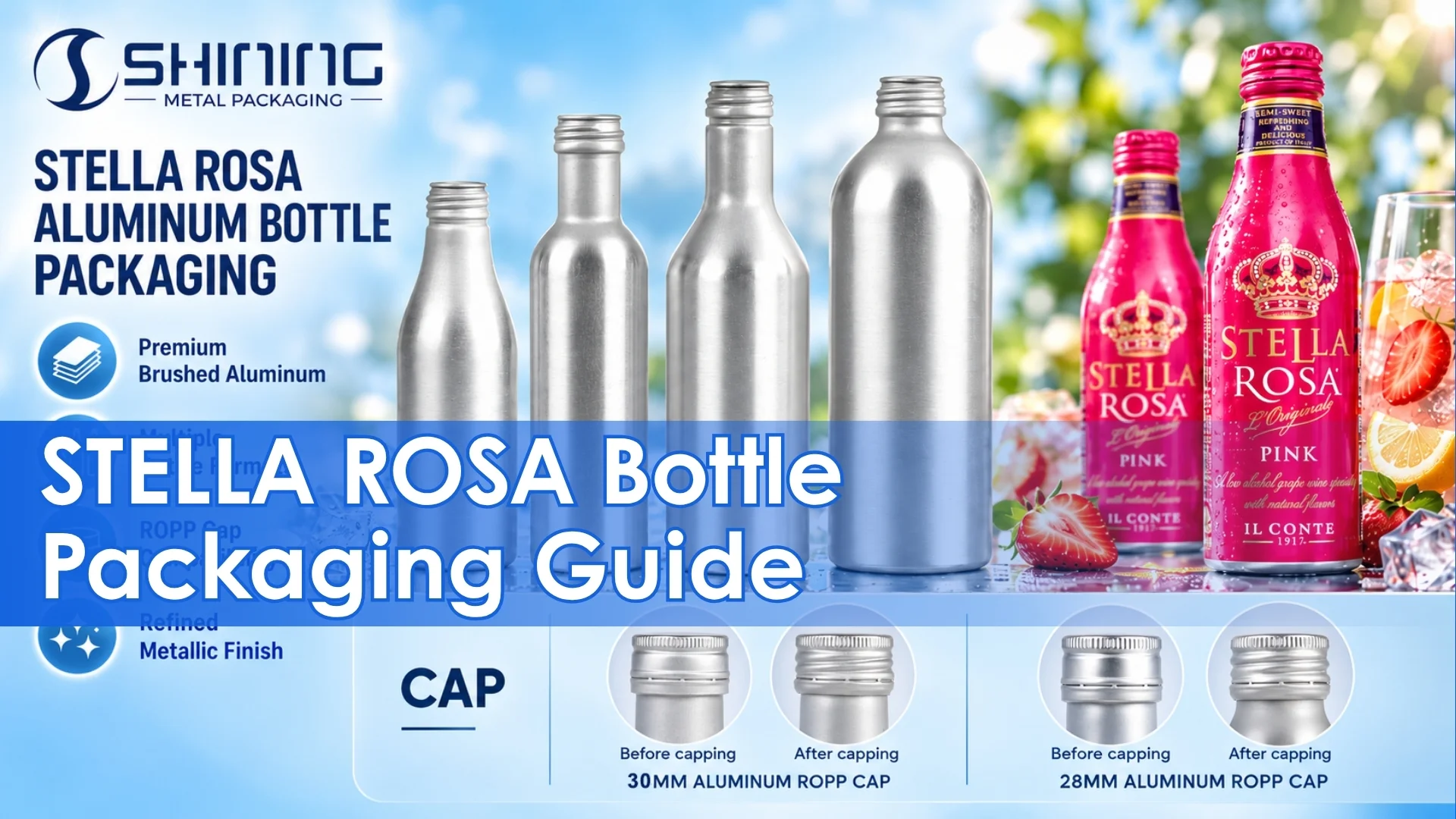
When Stella Rosa first moved into aluminum, fourth-generation winemaker Anthony Riboli explained the decision in unusually specific packaging terms: “We also wanted to maintain our higher-end image and felt these sleek bottles were perfect.” The same 2016 packaging discussion also noted that the brand deliberately carried recognizable elements such as its crown imagery from the glass range onto the aluminum format. That distinction matters. Stella Rosa was not simply looking for a lighter container; it was trying to make a portable package without stripping away the visual signals that told consumers they were still buying Stella Rosa wine.
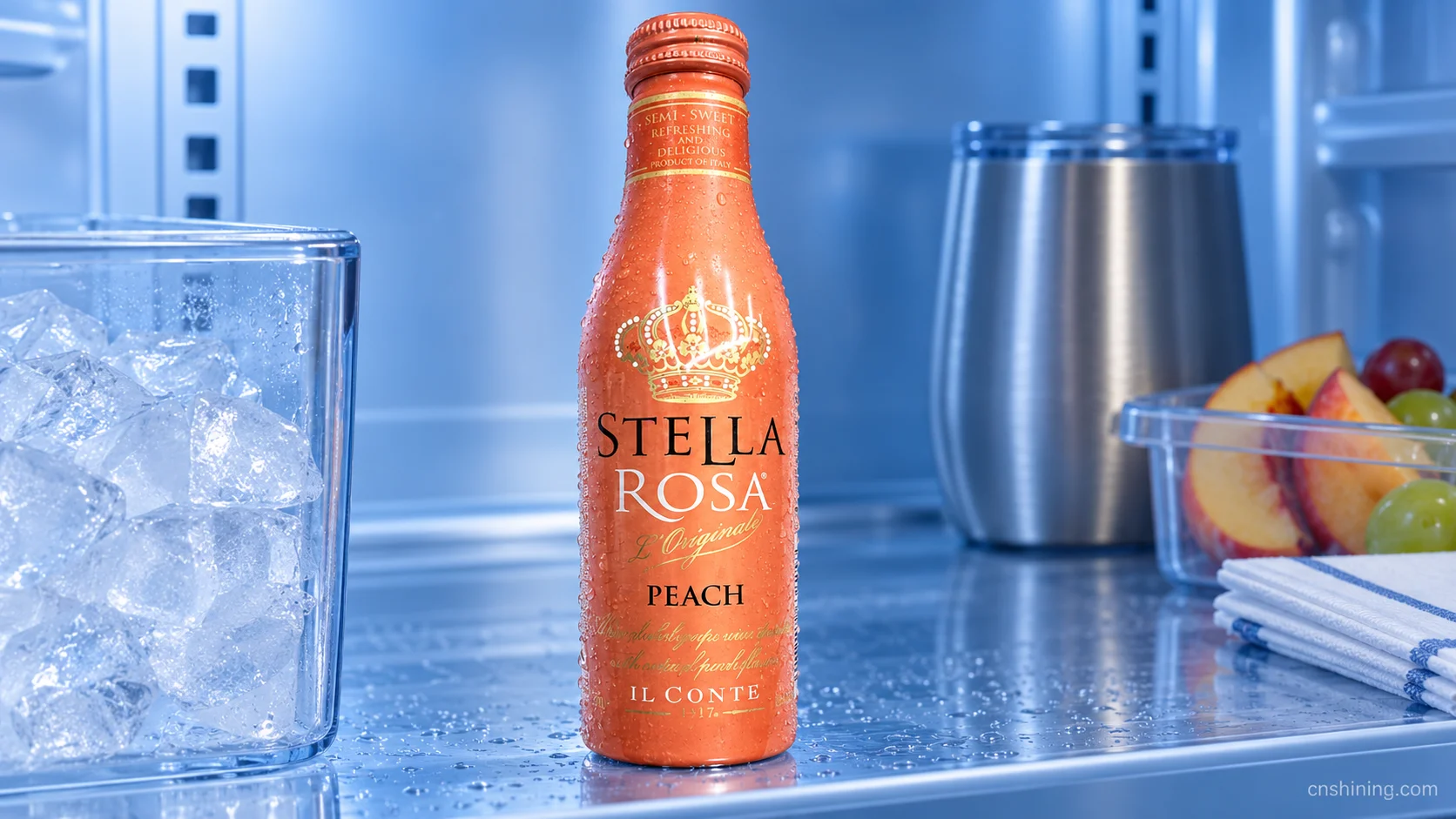
That logic remains visible in the current portfolio. Stella Rosa Peach is offered in a 250ml size alongside traditional formats, and the official product description identifies it as an Italian, Moscato-based, semi-sweet and semi-sparkling white wine at 5% alcohol by volume, with white-peach and honey notes. A current retail listing specifically identifies the 250ml SKU as Stella Rosa Peach Aluminum and lists a single bottle at US$4.99. Stella Rosa’s wider brand language—Italian roots, fruit-forward wines, chilling, parties and everyday celebration—makes the small bottle less of a packaging experiment than an extension of occasions the brand already claims.
The most useful way to read the package, therefore, is not “aluminum instead of glass.” It is a format bridge. The bottle-sized silhouette preserves more of the conventional wine cue than a straight-wall beverage can, while the 250ml portion moves the product toward chilled, individual consumption. For Stella Rosa, that combination is more brand-specific than generic claims about light weight or recyclability.
2. The Engineering Tension: Semi-Sparkling Wine Inside a Small Aluminum Bottle
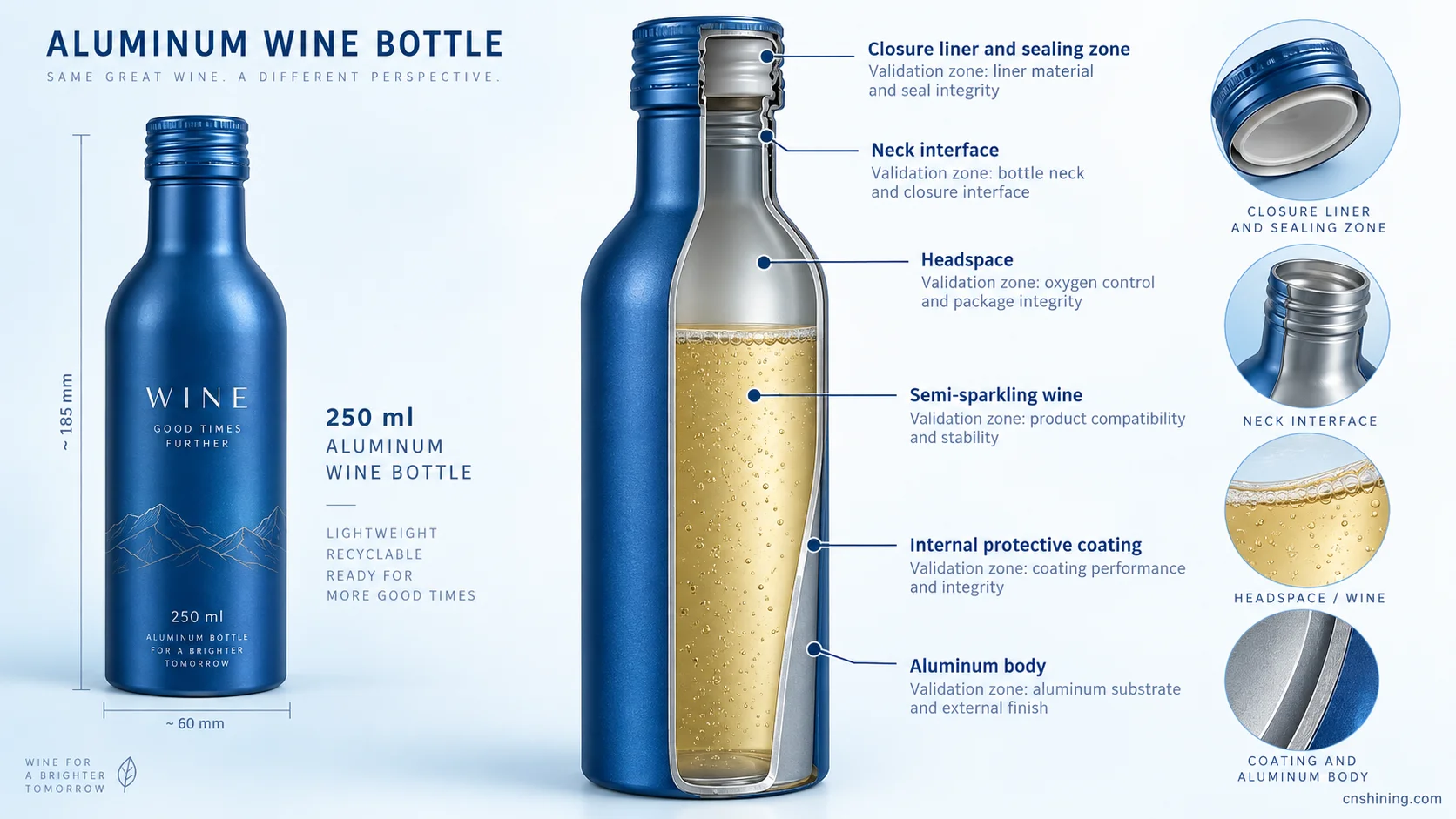
The harder part of this package sits behind the graphics. Stella Rosa Peach is a 5% ABV, semi-sweet, semi-sparkling wine, and the brand’s FAQ states that its wines may contain citric acid. Those properties make the package a beverage-contact system rather than a simple metal shell. Research on wine in aluminum packaging shows why: wine’s low pH, alcohol, sulfur dioxide and other compositional variables can challenge an internal barrier, while copper, chloride, oxygen and related factors can influence aluminum transfer and hydrogen-sulfide formation if the protective system is inadequate. Changing from a cylindrical can to a bottle-shaped aluminum body does not eliminate that chemical relationship.
For Stella Rosa, the correct engineering question is therefore whether the bottle body, internal coating, closure, fill conditions and actual wine can maintain sensory and package integrity together. A barrier coating should not be specified from the words “wine” or “5% ABV” alone. Product pH, free and total SO2, dissolved oxygen, total package oxygen, chloride, copper, carbonation level, filling temperature and intended shelf life are all meaningful qualification inputs. Accelerated testing is useful for screening, but it should support—not replace—real-time retention and sensory work with the production wine.
| Package decision | What matters for Stella Rosa | Инженерные последствия |
|---|---|---|
| геометрия бутылки | The aluminum format was chosen partly for its bottle-like shape and its ability to retain a more elevated wine image. | Shoulder profile, diameter and vertical proportion should preserve the recognizable bottle cue rather than drift toward a generic RTD silhouette. |
| Внутреннее покрытие | Acidic, alcoholic and semi-sparkling wine creates a more demanding contact environment than water. | Qualification should cover corrosion, coating integrity, migration risk and sensory change using the actual finished wine. |
| интерфейс замыкания | The original Stella Rosa aluminum format used a resealable twist-off closure. | Closure specification should define application torque, liner compatibility, tamper evidence, leakage resistance and CO2 retention after filling. |
| Декоративная отделка и лакировка | Color and crown imagery carry significant brand-recognition work on the small pack. | Ink and varnish durability should be checked after refrigeration, condensation, handling and distribution abrasion. |
The most consequential item is the product-contact system. Bottle shape may determine whether consumers recognize Stella Rosa as wine, but coating and closure performance determine whether the liquid reaching those consumers still tastes and behaves as intended. The pack should therefore be approved as a combined wine–coating–closure system rather than as independent components.
3. What the 250ml Format Changes on Shelf, in the Hand and on the Label
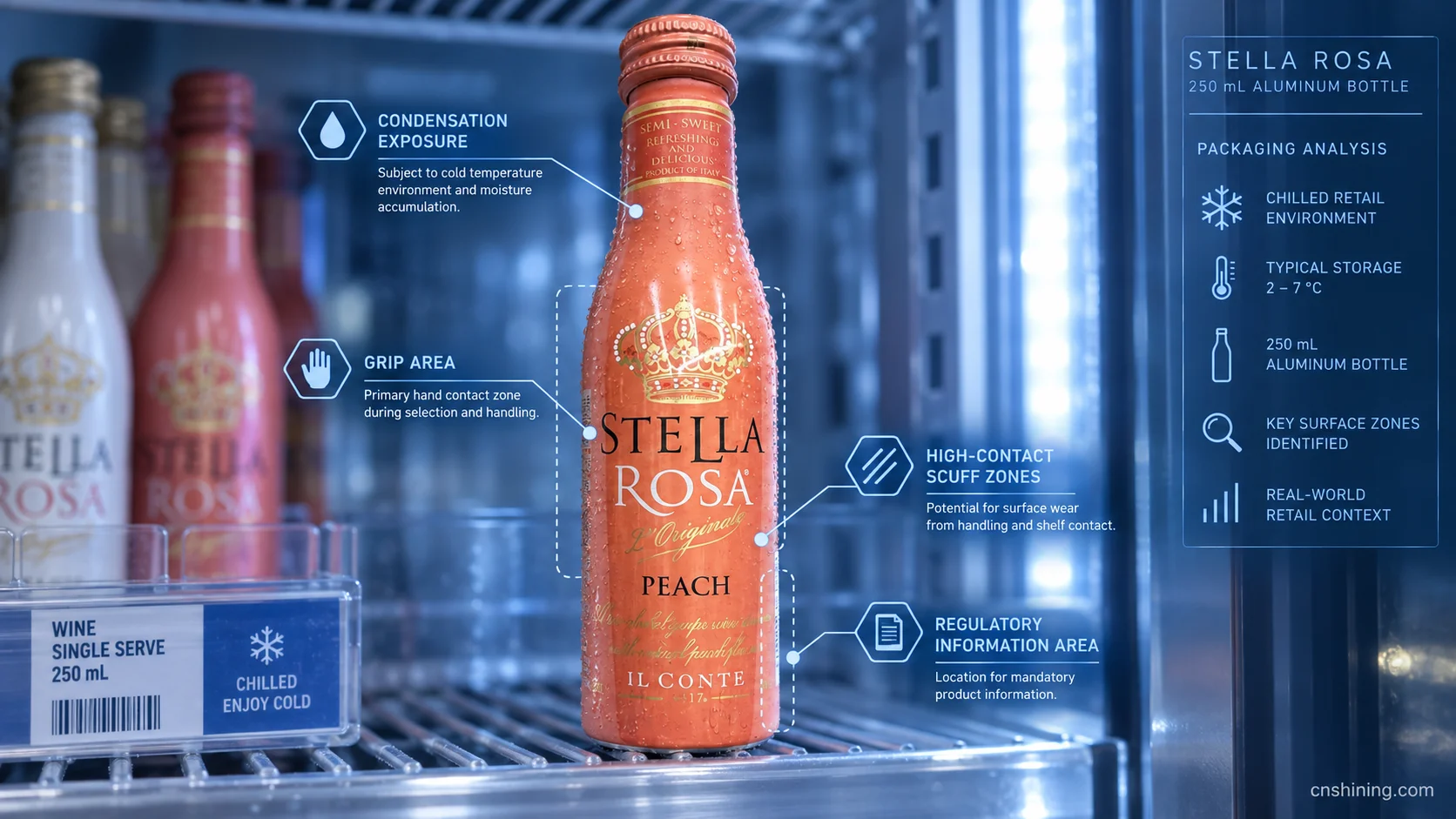
The small aluminum bottle gives different brand assets different jobs. The shoulder and bottle proportion maintain the wine category cue. The crown graphic and saturated flavor colors provide fast SKU recognition. The closure makes the package feel more like a bottle than a single-opening can. Meanwhile, the compact volume changes the consumption rhythm: the official product language repeatedly points toward serving chilled, while the aluminum Peach listing positions the format for varied activities and lifestyles. In practical terms, the package is better understood as a refrigerated grab-and-go extension of Stella Rosa than as a replacement for its full-size table bottle.
That use case also changes surface requirements. A highly decorated aluminum bottle can spend time in an ice bucket or cold retail environment, develop condensation, rub against neighboring bottles and be held with wet hands. Print contrast, varnish friction, scuff resistance and grip therefore have a direct connection to the brand experience. A dent is not necessarily a barrier failure, but on a decorative wine bottle it can become a perceived-quality defect long before it becomes a structural one. That makes cosmetic defect limits and refrigerated handling tests more important than they would be on an intentionally utilitarian can.
The 5% ABV of Stella Rosa Peach creates a less obvious packaging constraint in the United States. Wine below 7% ABV falls outside the Federal Alcohol Administration Act wine-label provisions in 27 CFR Part 4 and instead must meet applicable FDA food-labeling requirements, although the federal alcoholic-beverage health warning still applies to beverages at 0.5% ABV or above. For a 250ml container, the government warning falls into the more-than-237ml category, for which TTB specifies a minimum 2mm type size. That makes usable artwork space a genuine engineering variable, not merely a graphic-design concern.
For European distribution, the information architecture changes again. EU wine rules applying from December 2023 added ingredient and nutrition information requirements; operators can provide the ingredient list and nutrition declaration electronically in qualifying cases, while energy information and allergens remain on the physical presentation. A small bottle should therefore be designed with regulatory versions in mind before the decoration system is frozen, particularly if the same geometry is intended for multiple markets.
4. Competitor Analysis: Two Different Markets Are Emerging for Aluminum Wine Bottles
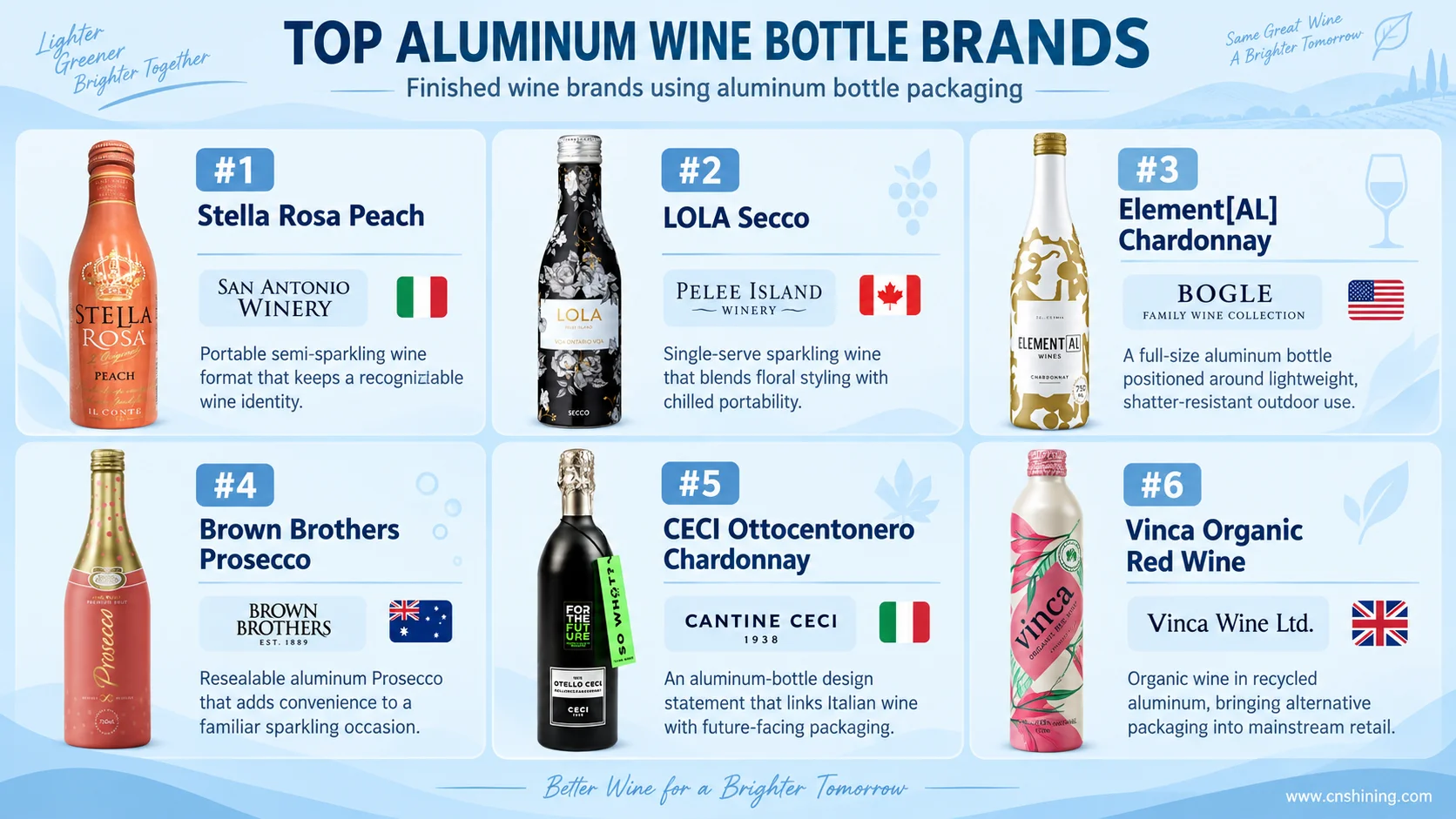
Direct aluminum-bottle wine competition is still much narrower than the canned-wine field, so comparing Stella Rosa with ordinary wine cans would blur the packaging decision this case is actually about. The following products are finished wine brands with verified алюминиевая бутылка formats and publicly visible retail pricing.
| Бренд / Продукт | Страна | Parent Company / Brand Owner | Емкость | Single-Bottle Retail Price | Ключевое торговое предложение |
|---|---|---|---|---|---|
| LOLA Secco Sparkling VQA | Канада | Pelee Island Winery | 250 мл | CA$5.18 | Single-serve sparkling wine in a bottle-shaped aluminum format, combining a floral wine identity with chilled portability. |
| ElementAL Chardonnay | Соединенные Штаты | Bogle Family Wine Collection | 750 мл | US$15.99 | Full-size California wine positioned around a lightweight, shatterproof aluminum bottle and outdoor-friendly use. |
| Brown Brothers Prosecco Aluminum Limited Edition | Австралия | Brown Family Wine Group | 750 мл | AU$24.00 | Full-size sparkling wine using a resealable aluminum bottle to add transport convenience to a familiar Prosecco. |
| CECI 1938 For The Future Bolle di Chardonnay | Италия | Cantine Ceci | 750 мл | €12.90 | Italian sparkling Chardonnay presented in aluminum as a material-led sustainability and design statement. |
| Vinca Organic Red Wine | Великобритания (wine sourced from Sicily, Italy) |
Vinca Wine Ltd | 750 мл | £8.50 | Organic Sicilian wine in a full-size bottle made from recycled aluminum, taking alternative packaging into mainstream grocery retail. |
The product and price points above are supported by current winery and retail listings: LOLA’s winery shop lists its 250ml aluminum Secco at CA$5.18; ElementAL is listed at US$15.99 for a 750ml aluminum bottle; Brown Brothers’ limited-edition aluminum Prosecco is listed at A$24.00; CECI’s aluminum Chardonnay has been listed at €12.90; and Tesco lists Vinca’s 750ml organic aluminum-bottled wine at £8.50.
The competitive split is revealing. LOLA is the closest structural comparison because it also uses a 250ml wine-bottle format. ElementAL, Brown Brothers, CECI and Vinca instead use the 750ml format to challenge the conventional full-size glass bottle. Stella Rosa occupies a different position: a low-alcohol, fruit-driven, semi-sparkling Italian wine with an existing 250ml consumer proposition. Its opportunity is therefore less about making an aluminum bottle look radically new and more about making a single serving look unmistakably Stella Rosa.
Sparkling wine also exposes a useful engineering warning from the competitive set. Public retailer reviews of the Brown Brothers aluminum Prosecco include positive comments about carrying the lighter bottle for picnics and travel, but some buyers also reported bottles with disappointing carbonation. Those individual reviews do not establish a format-wide defect; they do show why sparkling-aluminum programs should make closure seal, fill control and CO2 retention measurable release criteria rather than assumptions.
5. What Stella Rosa Should Lock Before the Aluminum Bottle Scales Further
The strongest development brief is narrower than a generic “sustainable aluminum wine bottle” project. Stella Rosa should protect four things at once: the bottle-shaped category cue, the crown-and-flavor visual system, the sensory stability of a chemically demanding semi-sparkling wine, and the convenience expected from a small resealable package. Every major specification should trace back to one of those functions.
That means the validation sequence should begin with actual wine chemistry and compatibility screening, move into filled-bottle closure and pressure testing, and then examine refrigerated handling, decoration abrasion and market-specific artwork. A successful appearance sample is not enough, and neither is a leak-free water test. The final trial needs the production wine, production closure, intended fill process and realistic storage exposure.
Shining Packaging can support neck-and-кепка matching, inner-coating compatibility review, print-surface trials and pilot validation for aluminum beverage bottle programs.
For Stella Rosa, aluminum makes the most sense as channel expansion rather than a declaration that every glass bottle should disappear. A 750ml format can continue serving traditional sharing occasions while the 250ml aluminum bottle carries the same recognizable wine identity into chilled, individual and glass-restricted settings. The strategic advantage comes from preserving that continuity while treating coating, closure, carbonation and decoration as one engineered package.