
Uma lata de vegetais deve ser compatível com o produto, a linha de enchimento, a seladora e processo térmico.
O nome do vegetal por si só não define a embalagem. Cogumelos inteiros, grãos de milho, aspargos e purê de abóbora comportam-se de maneira diferente durante o processo. enchimento e retortas. Elas também exigem diferentes aberturas, dimensões de corpo, designs de extremidade e revestimentos internos.
Por isso, a seleção deve começar pelo formato do produto e pelas condições do processo, e não apenas pela capacidade nominal.
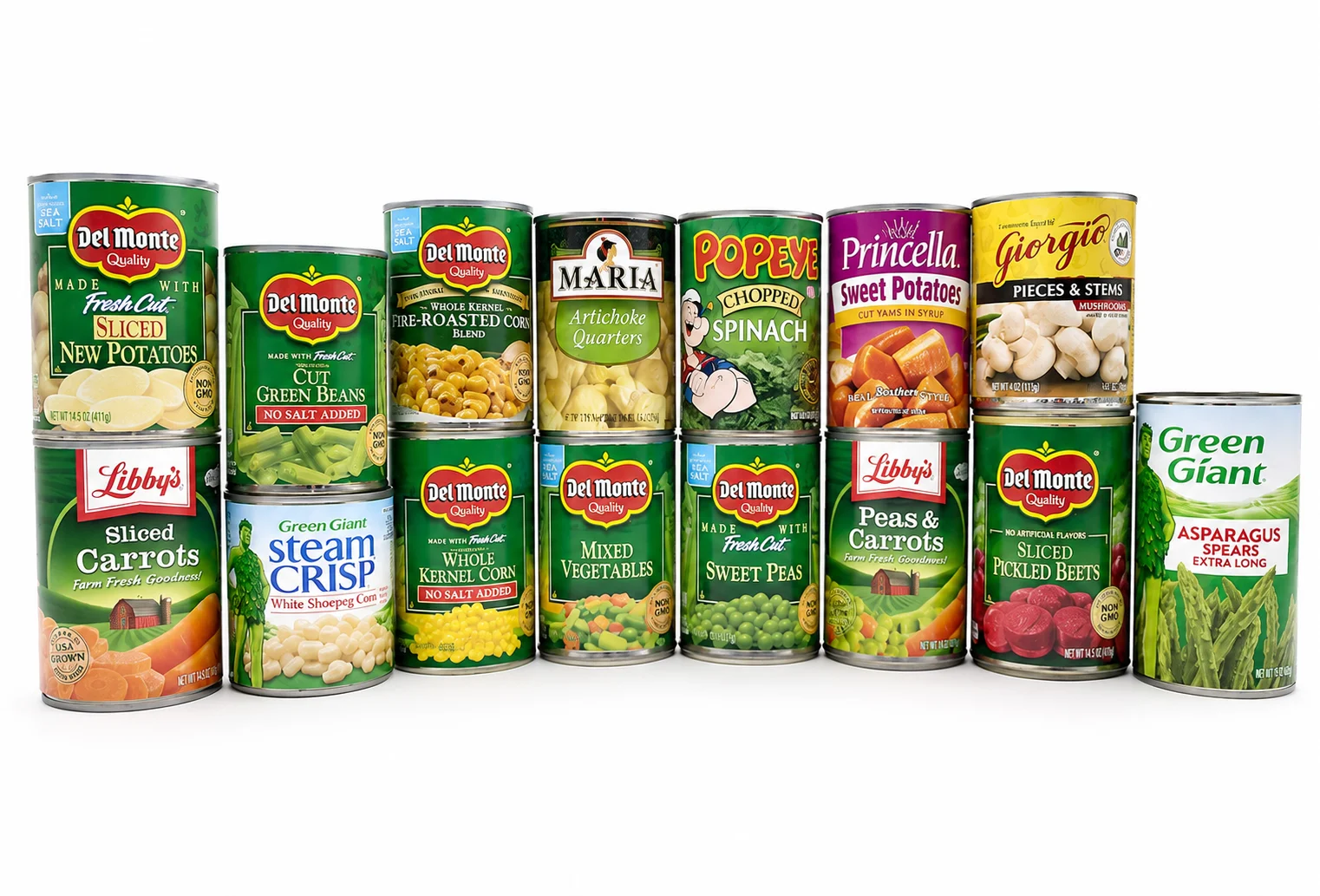
1. Quais vegetais são comumente embalados em latas de metal?
latas de vegetais são recipientes de metal para alimentos Projetado para enchimento, selagem hermética, processamento térmico, transporte e armazenamento em temperatura ambiente.
Um pacote completo geralmente inclui o corpo da lata, a base, a extremidade de enchimento, o composto de vedação e um revestimento interno para contato com alimentos. Folha de flandres e aço cromado são substratos amplamente utilizados. Estão disponíveis construções de duas e três peças.
A maioria das latas de vegetais também precisa de um revestimento interno. Esse revestimento limita o contato direto entre o alimento e o metal e deve permanecer intacto durante a formação, o fechamento, o processo de esterilização, o resfriamento e o armazenamento.
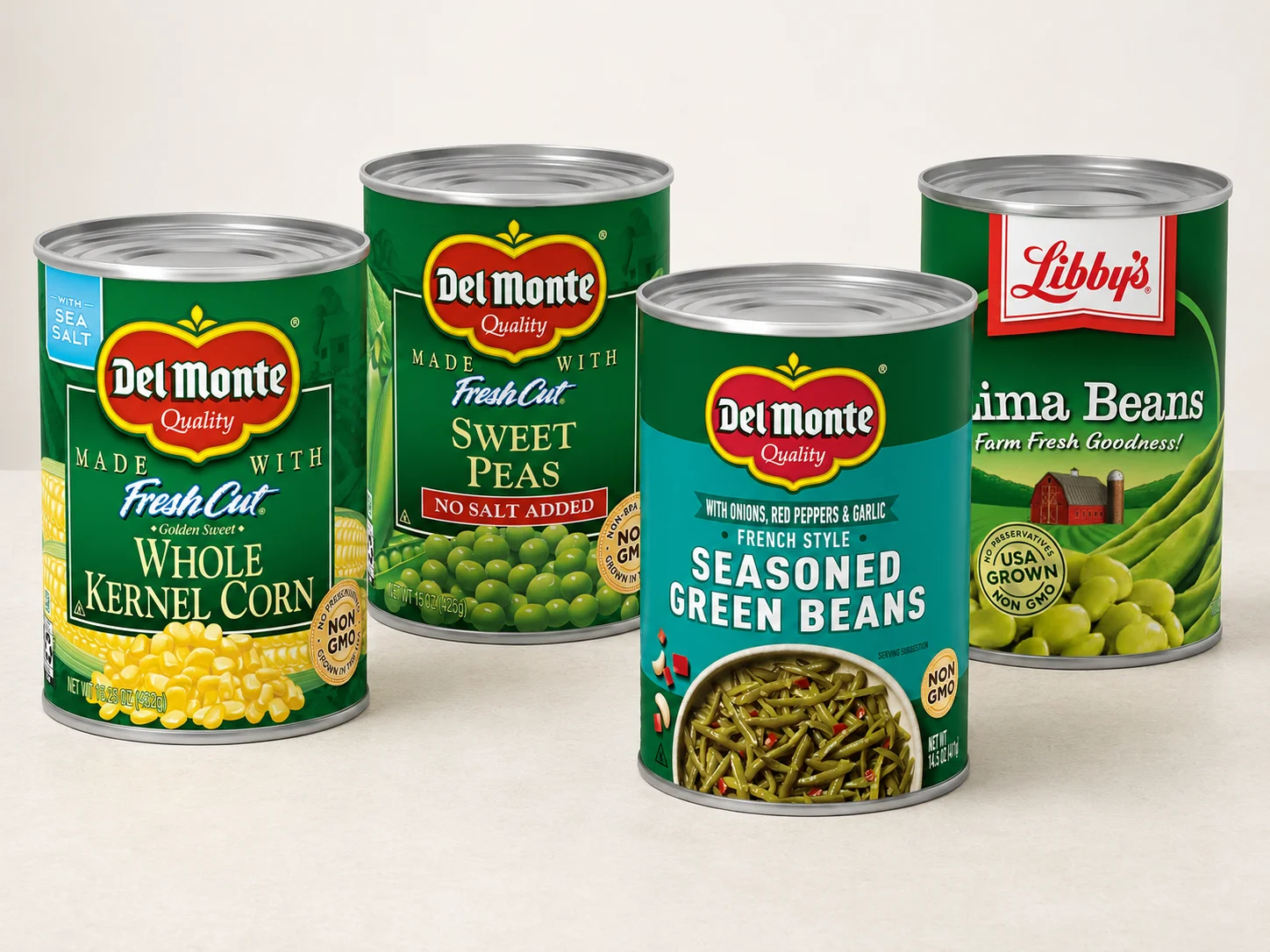
1.1 Milho, ervilhas, feijões e leguminosas
Os produtos comuns incluem:
- milho doce
- Ervilhas verdes
- Vagens
- Grão-de-bico
- feijão-lima
- Feijão-carioca
- Feijões mistos
Esses produtos geralmente são embalados em água, salmoura ou molho. As principais variáveis de embalagem são peso líquido, peso drenado, relação sólido-líquido e espaço livre.
Grãos pequenos e ervilhas são fáceis de encher através de uma abertura redonda padrão. Grão-de-bico grande, feijão cortado em tiras longas ou produtos com alto teor de sólidos podem exigir uma abertura maior para manter a velocidade de enchimento e reduzir a formação de pontes.
O feijão embalado em molho também se comporta de maneira diferente do feijão embalado em salmoura. A viscosidade do molho pode afetar a precisão do enchimento, a penetração do calor e a remoção do produto após a abertura.
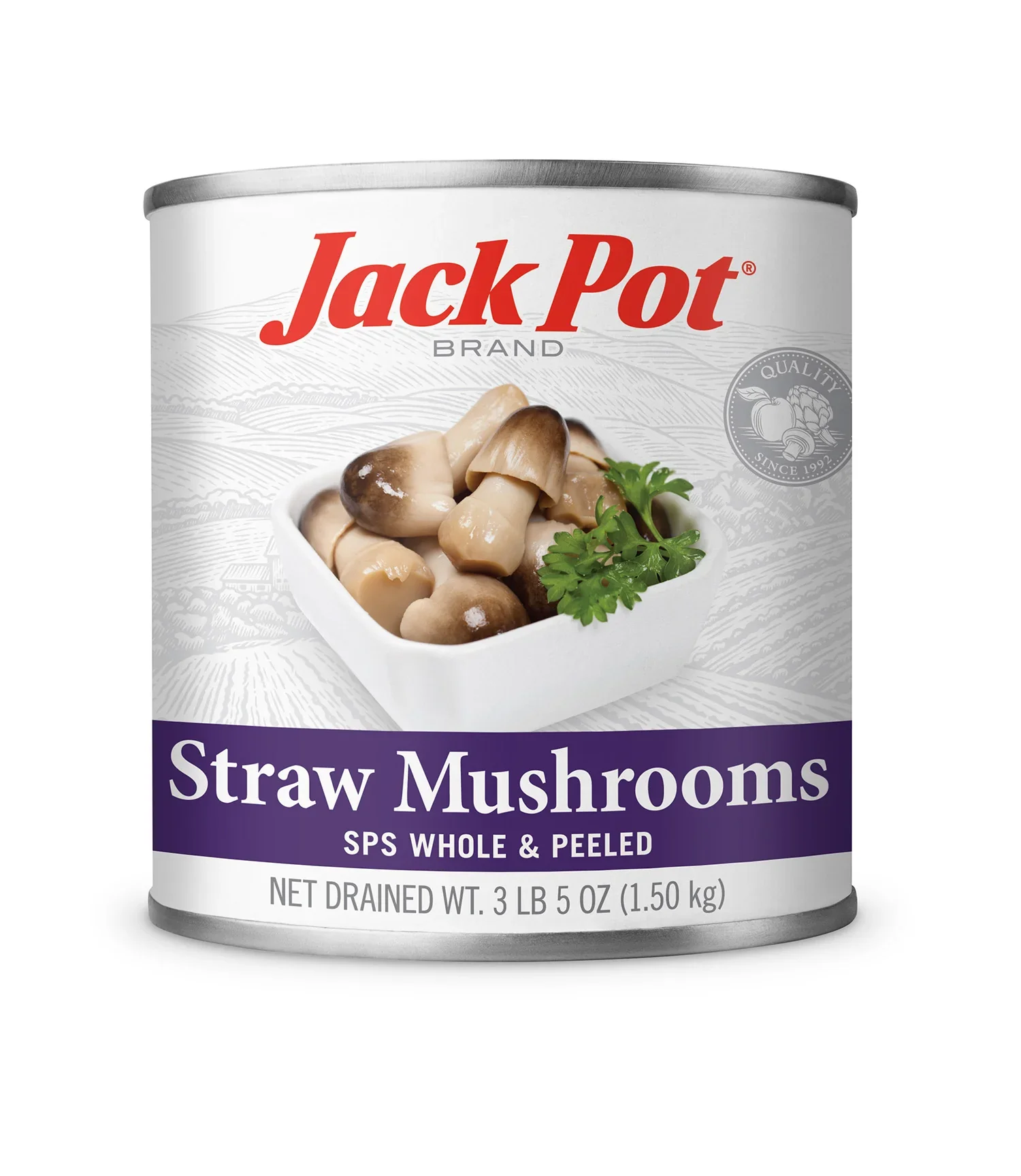
1.2 Cogumelos e Vegetais Especiais
Este grupo inclui:
- Cogumelos inteiros e fatiados
- Brotos de bambu
- castanhas d'água
- Corações de alcachofra
- Corações de palmeira
- Espargos
O formato do produto tem um efeito direto na geometria da lata.
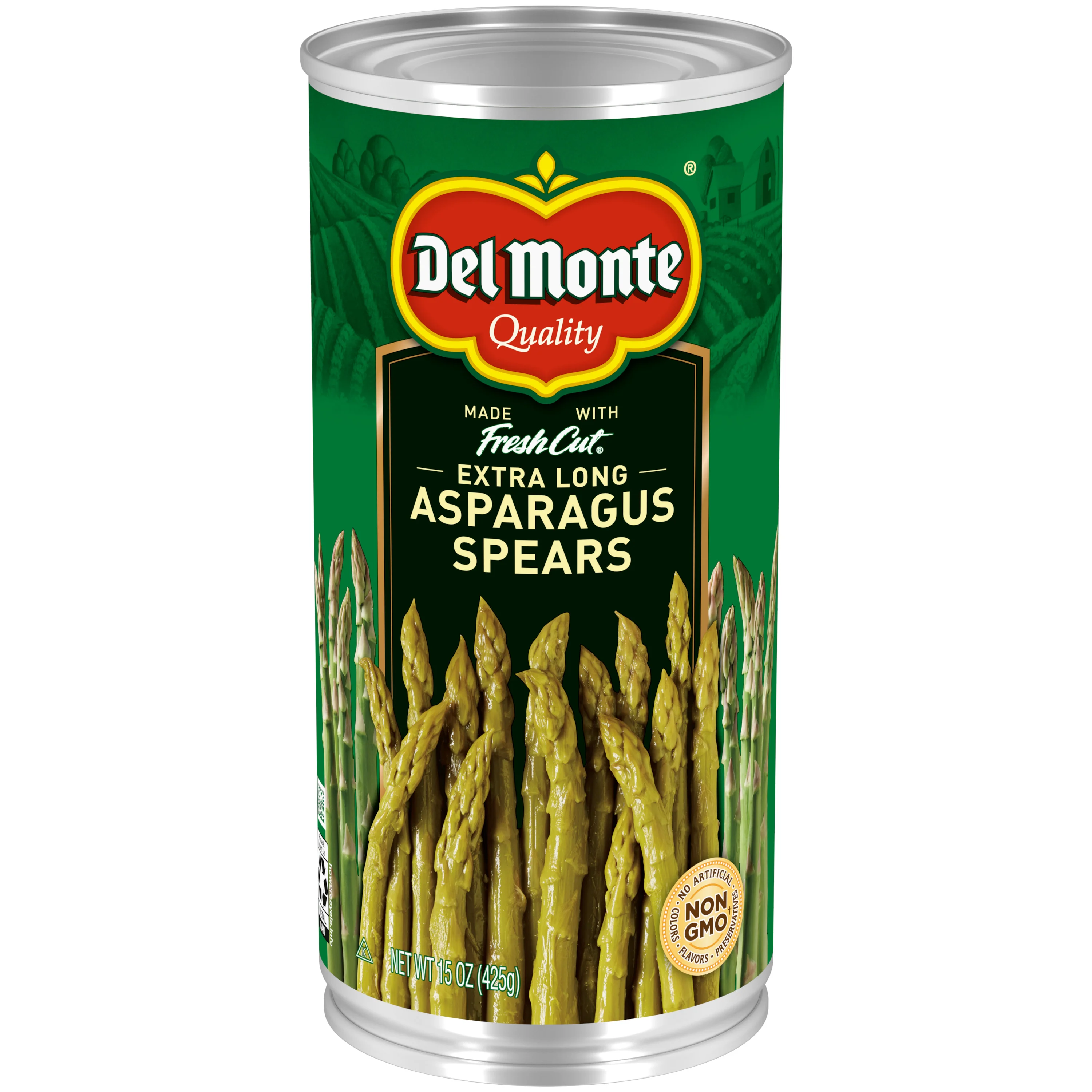
Os cogumelos fatiados podem ser embalados em latas redondas padrão. Os cogumelos inteiros precisam de uma abertura com diâmetro suficiente para evitar danos durante o envase. Os aspargos geralmente requerem uma embalagem mais alta para que o produto possa ser acondicionado na vertical.
Brotos de bambu, alcachofras e palmito podem ser embalados em fatias, tiras, quartos ou inteiros. A lata escolhida deve levar em consideração a maior dimensão do produto, e não apenas o peso líquido desejado.
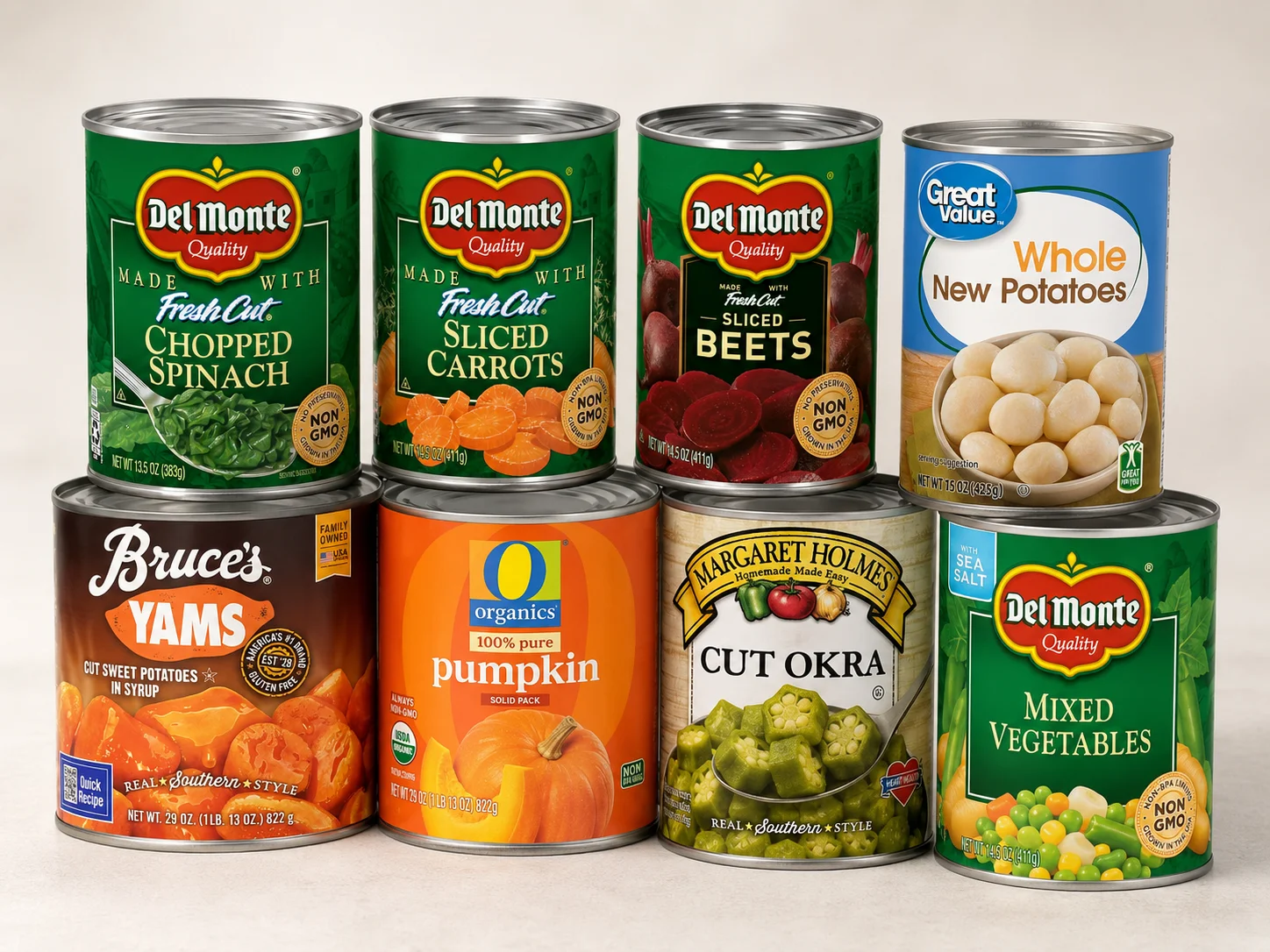
1.3 Hortaliças folhosas, de raiz e mistas
Exemplos típicos incluem:
- Espinafre
- Cenouras
- Beterrabas
- Batatas
- batata-doce
- Abóbora
- Quiabo
- Legumes mistos
A embalagem depende muito do formato do produto.
O espinafre picado se comporta de maneira diferente da cenoura em cubos. O purê de abóbora requer considerações diferentes em relação ao espaço livre e à transferência de calor quando comparado ao quiabo inteiro. Legumes misturados também podem se separar durante o recheio, pois seus componentes têm tamanhos e densidades diferentes.
Para esses produtos, o diâmetro, a altura e a abertura de enchimento da lata devem ser selecionados após a verificação do tamanho da peça, da densidade do produto, do líquido de embalagem e do peso drenado necessário.
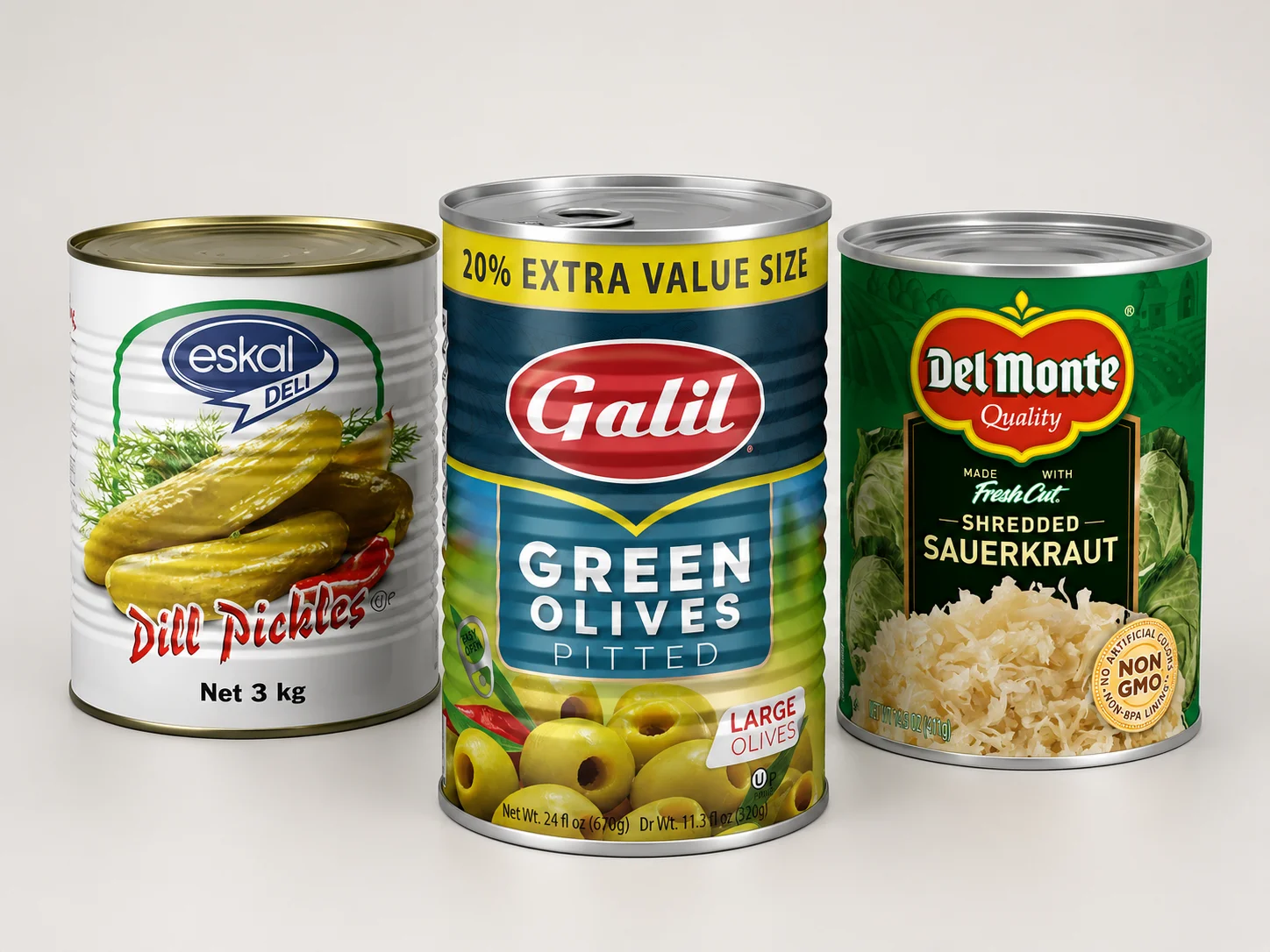
1.4 Produtos Vegetais Acidificados e Fermentados
Picles, azeitonas e chucrute devem ser tratados separadamente dos vegetais comuns com baixa acidez.
As condições de embalagem dependem do pH de equilíbrio, da concentração de sal, do vinagre ou de outros ácidos, dos conservantes, dos temperos e do tempo de armazenamento.
De acordo com as normas da FDA, alimentos acidificados e alimentos enlatados com baixa acidez são categorias de produtos separadas. Os processadores comerciais devem registrar os processos programados de acordo com o produto, o tamanho e o tipo do recipiente e o método de processamento.fonte)
Produtos acidificados e fermentados também podem criar um ambiente mais agressivo dentro da lata. Portanto, o revestimento final deve ser testado com a receita comercial real.
2. Vegetais com baixa acidez e requisitos de processamento térmico
2.1 Por que muitos produtos vegetais requerem processamento em autoclave
Muitos vegetais têm um pH de equilíbrio acima de 4,6 e uma atividade de água acima de 0,85. Quando esses produtos são embalados em recipientes hermeticamente fechados, podem se enquadrar na definição da FDA de alimentos enlatados de baixa acidez.fonte)
Normalmente, esses produtos requerem um processo térmico programado e validado.
Não existe uma temperatura ou tempo de processamento universal para latas de vegetais em autoclave. O processo necessário varia de acordo com:
- Formulação do produto
- Tamanho da peça
- Viscosidade do produto
- Peso de enchimento
- Líquido de embalagem
- Temperatura inicial
- Espaço mental
- diâmetro e altura da lata
- Tipo de retorta
- Condições de agitação
Os requisitos de documentação de processos da FDA distinguem entre produtos, estilos de produtos, tamanhos e tipos de embalagens e métodos de processamento. Portanto, um tamanho de lata diferente pode exigir uma avaliação de processo separada.fonte)
O processo programado deve ser estabelecido ou revisado por uma autoridade de processo qualificada. Um fornecedor de embalagens pode fornecer limites de desempenho para latas, mas não deve definir o processo de segurança alimentar.
2.2 O que a lata deve suportar
Durante o processo de retortagem e resfriamento, a lata fica exposta a variações de temperatura e diferenças de pressão.
A carroceria deve resistir a deformações, flambagem e deformação permanente. As extremidades devem permanecer estáveis. As costuras duplas devem manter uma vedação hermética.
As condições de resfriamento também são importantes. Mudanças rápidas de pressão podem pressurizar o corpo e as extremidades da lata mesmo após o término da etapa de aquecimento.
O revestimento interno deve permanecer aderido em torno de cordões, flanges, áreas de solda, linhas de corte e costuras duplas. Essas áreas geralmente exigem mais cuidados do que o painel plano da carroceria.
3. Como as dimensões podem afetar a embalagem de vegetais?
A capacidade da lata não conta toda a história.
Dois produtos com o mesmo peso líquido podem precisar de latas diferentes porque suas densidades, pesos após a drenagem e proporções sólido-líquido são diferentes. Vegetais inteiros também podem precisar de uma abertura maior do que produtos em cubos ou purê.
O diâmetro afeta o acesso ao enchimento, a penetração do calor, a compatibilidade com a máquina de fechamento e o layout do palete. A altura afeta a orientação do produto, a área do rótulo, a resistência da embalagem e o comportamento durante o processamento térmico.
A especificação final deve, portanto, indicar as dimensões da lata, a capacidade máxima, o peso de enchimento previsto, o peso após o esvaziamento, o espaço livre e o diâmetro da extremidade.
3.1 Latas de duas e três peças
Uma lata de duas peças possui corpo e fundo formados a partir de uma única peça de metal. Não apresenta costura lateral soldada. É frequentemente utilizada quando o tamanho é padronizado e o volume de produção é estável.
Uma lata de três peças possui um corpo cilíndrico soldado com extremidades superior e inferior separadas. Ela oferece maior flexibilidade em termos de diâmetro e altura, sendo comumente utilizada para latas de vegetais, desde tamanhos para varejo até grandes formatos para serviços de alimentação.
Ambas as construções podem usar tampas padrão ou tampas de fácil abertura. A escolha prática depende das ferramentas disponíveis, do volume de pedidos, do formato do produto, das condições da autoclave e da compatibilidade com a linha de envase.
3.2 Formatos comuns de latas para diferentes produtos vegetais
A tabela abaixo mostra exemplos comuns de mercado. Estes não são padrões internacionais fixos. Os pesos líquidos, os pesos drenados, os códigos das latas e as especificações finais variam de acordo com o fornecedor e o mercado-alvo.
| Produto vegetal | Formatos comuns de varejo | Formatos comuns de serviços de alimentação | Construção típica de lata | Opções finais comuns | Notas de seleção |
|---|---|---|---|---|---|
| milho doce | 211 × 300 com cerca de 185 g; 307 × 306 com cerca de 340 g; 300 × 407 com cerca de 425 g | 603 × 600 com cerca de 2.125 g; 603 × 700 com cerca de 2.950 g | O modelo de três peças é comum. O modelo de duas peças pode ser usado para tamanhos menores já estabelecidos. | Abertura fácil ou tampa padrão para venda a retalho; a tampa padrão é comum em latas grandes. | Verifique o tamanho do grão, o peso drenado, a taxa de enchimento e a resistência ao enxofre. |
| Ervilhas e legumes variados | Aproximadamente 184 g, 340 g, 400–425 g e 800 g | Aproximadamente 2.125–2.840 g | Geralmente é composto por três peças quando são necessárias várias alturas. | extremidade de fácil abertura ou padrão | Verifique o tamanho e a separação dos componentes durante o enchimento. |
| Grão-de-bico e outros feijões | Aproximadamente 184–200 g, 400–425 g, 567 g e 800 g | Aproximadamente 2.840 g | O modelo de três peças é comum em uma ampla gama de tamanhos. | Tampa de fácil abertura ou tampa de abertura normal | A viscosidade do molho e o tamanho dos grãos afetam o diâmetro da abertura e o espaço livre. |
| Cogumelos inteiros ou fatiados | Aproximadamente 184 g, 284 g, 400–425 g e 800–850 g | Aproximadamente 2.500–2.840 g | A configuração em três partes é comum para formatos médios e grandes. | Extremidade de fácil abertura ou de abertura rígida | Cogumelos inteiros podem precisar de uma abertura maior do que fatias, pedaços ou talos. |
| Cortes e dicas de aspargos | Latas de 8 oz e 14 oz | Latas de 101 oz são usadas em serviços de alimentação. | A lata redonda padrão de três peças é comum. | O sistema de fácil abertura está disponível em alguns formatos de varejo. | Atalhos podem usar proporções padrão. |
| Espargos inteiros | Aproximadamente 425 g (15 oz) | Os formatos grandes dependem do comprimento da lança e das necessidades do cliente. | Lata alta de três peças é comum | Extremidade padrão ou de fácil abertura, dependendo do programa. | A altura do corpo deve ser compatível com o comprimento da lança e o empacotamento vertical. |
| Cenouras, beterrabas, batatas e legumes de raiz variados cortados em cubos | Aproximadamente 400–425 g e 800 g | Aproximadamente 2.500–2.840 g | Geralmente de três peças | extremidade de fácil abertura ou padrão | O tamanho do pedaço, a densidade e o peso drenado determinam o volume necessário. |
| Espinafre e outros vegetais folhosos | Latas de varejo de pequeno e médio porte, geralmente selecionadas pelo peso do conteúdo em vez da quantidade de unidades vazias. | Latas institucionais de grande porte, quando necessário. | Geralmente de três peças | extremidade de fácil abertura ou padrão | A compactação e o assentamento devem ser verificados durante o enchimento. |
| Purê de abóbora ou de vegetais | As quantidades vendidas no varejo dependem da receita e do mercado. | Latas maiores para uso em padarias e na indústria. | O modelo de três peças é comum. | extremidade padrão ou de fácil abertura | A viscosidade do produto e a penetração de calor são mais importantes do que o tamanho da peça. |
As gamas de produtos publicadas corroboram essa variação. O milho doce é comumente oferecido em formatos de 211 × 300, 307 × 306, 300 × 407, 603 × 600 e 603 × 700. O grão-de-bico é vendido em formatos que variam de aproximadamente 184 g a 2.840 g, com tampas de fácil abertura e de abertura normal. Os fornecedores de cogumelos geralmente listam embalagens de 184 g, 284 g, 400–425 g, 800–850 g e 2.500–2.840 g. A Seneca Foods lista aspargos cortados e pontas em latas de 227 g e 397 g, aspargos inteiros em latas de 425 g e em um formato de 2,86 kg para serviços de alimentação.fonte)
O código da lata não deve substituir o desenho do fornecedor. As dimensões publicadas podem se referir a dimensões nominais, internas, externas ou de junção. O desenho aprovado deve definir o diâmetro exato do corpo, a flange, a altura, o tamanho da extremidade, as tolerâncias e a capacidade máxima. A FDA também considera as dimensões da embalagem como parte das informações do processo programado para alimentos acidificados e de baixa acidez.
Produtos de varejo geralmente utilizam tampas de fácil abertura, pois a embalagem é aberta diretamente pelo consumidor. Latas grandes para serviços de alimentação geralmente utilizam tampas padrão, pois são abertas com equipamentos comerciais, embora também existam sistemas de fácil abertura para embalagens de grande porte.
A seleção da extremidade ainda deve ser compatível com a máquina de costura. Diâmetro da extremidade, perfil da curvatura, composto de vedação, flange do corpo, mandril e rolos de costura formam um único sistema.
4. Escolhendo o Revestimento Interno Adequado
O revestimento interno protege o alimento do contato direto com o metal e protege o metal do produto de enchimento.
O material deve resistir ao ambiente químico da formulação, mantendo-se flexível o suficiente para suportar os processos de estampagem, soldagem, flangeamento, rebarbação, corte e costura. Deve também tolerar o processo de retortagem programado e o período de armazenamento previsto.
Os sistemas de revestimento para latas de alimentos são desenvolvidos separadamente para corpos de duas peças, corpos de três peças, tampas padrão e tampas de fácil abertura. Os requisitos de desempenho incluem adesão, flexibilidade, propriedades de barreira, resistência química, resistência à esterilização e resistência a embalagens de alimentos que contenham enxofre ou substâncias agressivas.fonte)
A escolha de um revestimento não deve se basear apenas na sua cor. Revestimentos dourados, brancos e na cor alumínio podem utilizar sistemas de resina diferentes e apresentar propriedades químicas e mecânicas distintas.
O fornecedor precisa da formulação final, não apenas do nome do vegetal. As informações relevantes incluem pH, nível de sal, teor de cloreto, compostos de enxofre, vinagre ou outros ácidos, temperos, conservantes, condições de esterilização e prazo de validade previsto.
4.1 Milho, ervilhas, feijões e aspargos
Esses produtos podem exigir um sistema de revestimento com resistência adequada ao enxofre.
Os principais riscos são manchas escuras, reações metal-alimento ou corrosão onde a cobertura do revestimento é frágil. A área da solda, a extremidade da costura e a região da dupla costura merecem atenção especial.
A descrição de um revestimento resistente a enxofre não é suficiente por si só. O peso do filme, a cura, a continuidade, a resistência à deformação e a adesão pós-retorta também devem atender às especificações.
4.2 Cogumelos
Os pacotes de cogumelos variam em composição da salmoura, teor de sal, adição de ácido, antioxidantes e temperos.
Uma cobertura que funciona bem com cogumelos em conserva simples pode não ter o mesmo desempenho em uma receita acidificada ou temperada. Produtos inteiros e fatiados também podem exigir diferentes proporções de recheio e processos térmicos.
Os testes devem utilizar a formulação comercial final.
4.3 Vegetais em Conserva e Fermentados
Picles, azeitonas, chucrute e outros vegetais acidificados combinam acidez, sal e longos períodos de armazenamento.
Essas condições podem aumentar o risco de corrosão em arranhões, sulcos, costuras e áreas de proteção de solda. O revestimento deve ser selecionado para alimentos salgados e ácidos em conserva e, em seguida, confirmado por meio de testes em embalagens cheias. Os fornecedores de revestimento oferecem sistemas especificamente projetados para produtos alimentícios quimicamente agressivos e com tampas de fácil abertura.fonte)
4.4 Cor do revestimento e tipo de resina
Revestimentos dourados, brancos e na cor alumínio descrevem a aparência, não a adequação.
A especificação de compra deve identificar:
- Sistema de revestimento aprovado
- Substrato
- Aplicação final ou para o corpo
- Peso do filme necessário
- Requisitos de cura
- Resistência à retorta
- Categoria alimentar pretendida
- Conformidade com as normas para contato com alimentos
- Restrições para o mercado de destino
Uma afirmação genérica como "laca dourada no interior" geralmente é muito vaga para aprovação técnica.
4.5 Validação de Embalagem Cheia
A lata completa deve ser testada após o enchimento, fechamento, esterilização e resfriamento.
O teste deve representar a produção normal e condições razoáveis de pior cenário. As amostras armazenadas devem ser verificadas quanto à corrosão, manchas, perda de revestimento, ataque na área da junta, alterações de vácuo, deformação, sabor e odor.
Novos testes podem ser necessários quando ocorrer qualquer uma das seguintes alterações:
- Receita
- Nível de sal ou acidez
- Sistema de tempero
- Conservante
- substrato pode
- Revestimento interno
- Tipo final
- Tamanho do recipiente
- Processo de retorta
- Prazo de validade previsto
O sistema de revestimento final deve ser aprovado considerando o produto real e as condições de processamento. Não se deve presumir que um único revestimento funcione para todas as receitas com vegetais.
5. Uma regra prática de seleção
Comece com o formato do produto, receita, peso líquido, peso drenado, espaço livre, método de esterilização e mercado-alvo.
Selecione o diâmetro com base nas dimensões do produto e no equipamento de enchimento. Selecione a altura com base no volume necessário, na orientação do produto e no processo térmico.
Utilize uma lata de duas peças quando já existir um tamanho estabelecido, um volume estável e uma linha de produção adequada. Utilize uma lata de três peças quando forem necessárias maior flexibilidade de altura, grandes capacidades ou diversos formatos de mercado.
Em seguida, selecione o revestimento final e o revestimento interno como parte do mesmo sistema de embalagem.
A especificação deve ser confirmada por meio de desenhos do fornecedor, testes de enchimento, inspeção de juntas, testes de retorta, testes de compatibilidade de revestimento e revisão da autoridade de processo.