
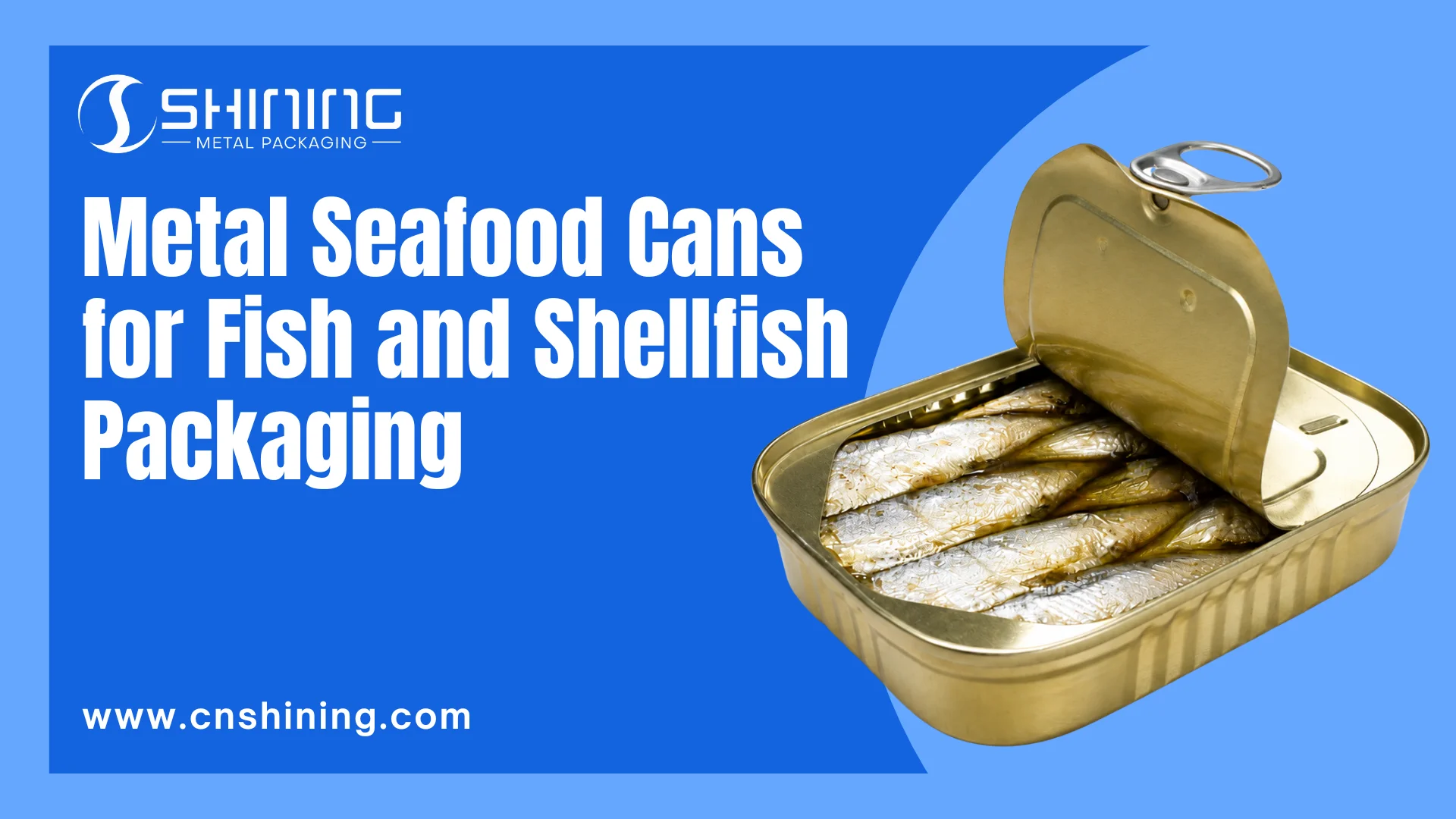
Una lata de mariscos es un sistema de protección, no solo un recipiente de metal.
El cuerpo de la lata, el revestimiento interno, la tapa, el compuesto de sellado y la doble costura trabajan en conjunto. Bloquean la luz y la contaminación externa, mantienen un cierre hermético y protegen el producto durante el procesamiento en autoclave, el transporte y el almacenamiento.
Los productos del mar enlatados incluyen pescado, mariscos y crustáceos envasados en recipientes sellados y sometidos a un tratamiento térmico para garantizar su esterilidad comercial. El producto puede presentarse entero, en rodajas, en filetes o procesado en trozos, hojuelas o carne desmenuzada. Los medios de envasado más comunes incluyen agua, salmuera, aceite y salsa.
latas de metal Se utilizan ampliamente porque proporcionan una barrera eficaz contra el oxígeno, la humedad, la luz y la contaminación. Además, toleran el calor y la presión empleados durante el procesamiento térmico. Esto permite que muchos productos del mar se distribuyan a lo largo de la cadena de suministro sin necesidad de refrigeración.
La demanda de estos productos sigue creciendo. Los datos de la FAO indican que el volumen del comercio mundial de atún aumentó en aproximadamente 281 toneladas en 2024, debido en parte a una mayor demanda de atún enlatado. Estados Unidos importó aproximadamente 230.557 toneladas de atún enlatado y preparado durante el mismo año.fuente)
Un mayor volumen no simplifica la selección del envase. La especie de pescado, el tamaño del producto, el nivel de sal, el medio de envasado, el programa de esterilización y la vida útil prevista influyen en el rendimiento de la lata.
La verdadera pregunta es sencilla: ¿puede el embalaje completo proteger el producto real en condiciones reales de procesamiento y almacenamiento?
1. Tipos comunes de latas de mariscos
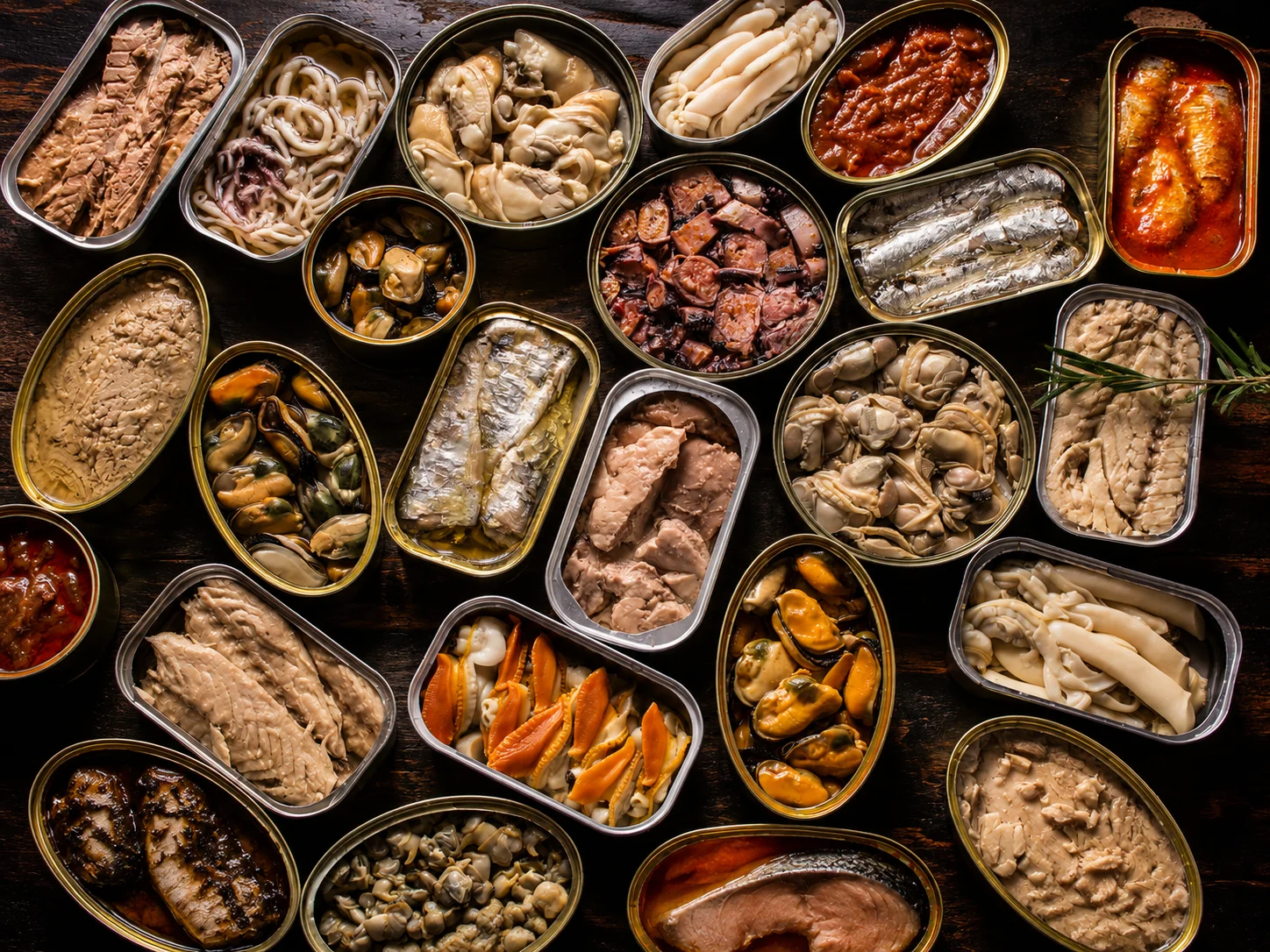
Los distintos productos del mar requieren diferentes formas de latas, métodos de llenado, recubrimientos y sistemas de apertura.
| Producto | Formatos comunes de productos | Formatos típicos de latas | Requisitos principales de embalaje |
|---|---|---|---|
| Atún | Sólido, en trozos, en hojuelas, rallado o desmenuzado | Latas redondas de dos piezas, latas de tres piezas, latas con forma de cuenco y algunas latas ovaladas. | Consistencia del llenado, peso escurrido, tinción de sulfuro y fácil apertura. |
| Sardinas | Entero, decapitado, eviscerado, sin huesos o sin piel. | Latas rectangulares pequeñas, latas ovaladas y latas redondas poco profundas. | Presentación del producto, oxidación del aceite, sulfuros y sellado de extremos no redondos |
| Caballa | Filetes, trozos o pescado entero | Latas rectangulares, ovaladas y redondas | Compatibilidad con salsas o aceites, integridad del filete y extremos fáciles de abrir. |
| Anchoas y arenques | Filetes o pescado entero pequeño | Latas pequeñas rectangulares y ovaladas | Formulaciones con alto contenido de sal, presentación superficial y validación del recubrimiento. |
| Salmón | Trozos, paquete sólido, con piel o con hueso. | latas redondas y poco profundas | Piezas sólidas grandes, penetración de calor, sulfuros y protección del color. |
| Anguila | Trozos, filetes o en salsa | Latas rectangulares y ovaladas | Compatibilidad de la salsa, niveles de azúcar y sal, y ubicación del producto. |
| Cangrejo | Carne en trozos, en hojuelas o en el cuerpo. | Latas redondas, redondas poco profundas y algunas rectangulares. | Color de la carne, decoloración por contacto con metales y revestimientos o recubrimientos adecuados. |
| Camarón | Camarones pelados o enteros | latas redondas y poco profundas | Tamaño del camarón, penetración del calor y retención del color |
| Almejas y ostras | Carne entera, trozos o productos ahumados | latas redondas y rectangulares | Contenido de sal, sulfuros, sabor ahumado y compatibilidad con aceites. |
| Abulón | Enteros, en rodajas o rellenos de salsa. | latas redondas y poco profundas | Aspecto del producto, rendimiento del recubrimiento y experiencia de apertura. |
El Codex clasifica el atún enlatado en formas como sólido, trozos, hojuelas y atún rallado o desmenuzado. Cada formato crea diferentes requisitos de llenado y peso escurrido.fuente)
Las sardinas enlatadas pueden envasarse en agua, aceite u otro medio adecuado. El Codex también exige que una lata contenga al menos dos peces de una misma especie.fuente)
La forma de la lata suele depender del producto. Las latas rectangulares y ovaladas son ideales para pescados pequeños enteros y filetes, ya que ofrecen una superficie de exposición poco profunda. Las latas redondas son prácticas para atún, salmón, cangrejo, camarones y otros productos envasados en trozos o piezas sueltas.
2. Formas y construcción del cuerpo
Las latas de marisco suelen fabricarse en envases de dos o tres piezas.
Una lata de dos piezas tiene el cuerpo y la base integrados. Solo el extremo superior tiene doble costura. Los procesos comunes incluyen el estirado y rediseñado (DRD) y el estirado y planchado de paredes (DWI o D&I). La construcción de dos piezas es común para latas redondas poco profundas, rectangulares, cónicas y con forma de cuenco.
Una lata de tres piezas consta de un cuerpo soldado, una base y una tapa. Ofrece mayor flexibilidad en la altura y el diámetro, y se integra perfectamente con las líneas de llenado de latas redondas ya existentes. La costura lateral soldada requiere un recubrimiento de reparación adecuado, ya que forma parte de la superficie interna en contacto con los alimentos.
La tapa puede ser de apertura total y fácil apertura, despegable o sanitaria estándar. La selección del extremo no debe basarse únicamente en la comodidad. Es necesario verificar la fuerza de apertura, la estabilidad de la ranura, el movimiento del panel después del esterilizado, el espacio libre para el apilamiento, el estado del borde y las especificaciones de la costura.
En el caso de latas no redondas, las esquinas y las variaciones en la geometría del panel pueden afectar tanto al rendimiento de apertura como al control del sellado. Por lo tanto, las pruebas deben realizarse utilizando la forma real de la lata, la tapa, la máquina de sellado y el proceso de esterilización.
Para una comparación más detallada de las construcciones de latas, consulte Lata de 3 piezas vs. lata de 2 piezas: ¿Cuál es mejor para los alimentos?.
Para obtener más detalles sobre los métodos de formación, lea Diferencias entre los botes DRD y DWI: Guía clave.
3. Envasado de mariscos en aceite, agua, salmuera y salsa.
El medio de envasado modifica las condiciones químicas dentro de la lata. Un recubrimiento que funciona con atún en agua puede no tener el mismo efecto con sardinas en salsa de tomate.
La selección del recubrimiento debe basarse en la formulación completa y no solo en la especie de marisco.
3.1 Mariscos envasados en aceite
Los productos comunes incluyen:
- Sardinas en conserva en aceite de oliva
- Sardinas en conserva en aceite de oliva virgen extra
- Caballa en conserva en aceite de oliva
- Atún en aceite vegetal
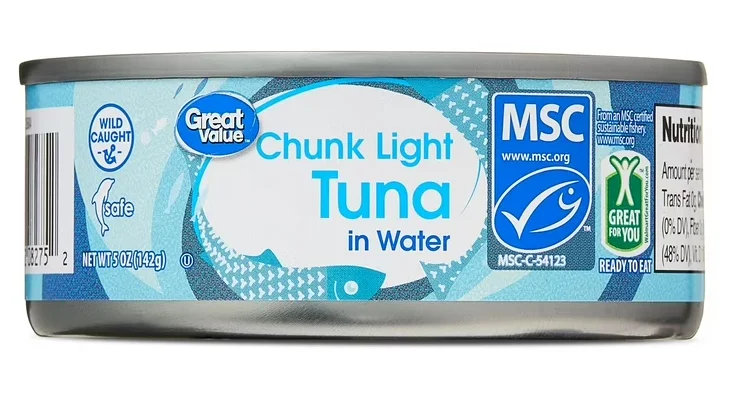
Los productos del mar envasados en aceite necesitan protección contra el oxígeno y la luz, ya que ambos pueden acelerar la oxidación y afectar al sabor.
El embalaje debe controlar el oxígeno residual, el espacio libre, el vacío y la integridad de las juntas. El revestimiento interno también debe tolerar el contacto con el aceite durante la esterilización y el almacenamiento a largo plazo.
Los olores persistentes a oxidación o rancio se consideran defectos del producto según las normas del Codex para el atún y las sardinas enlatadas. En el caso de los mariscos envasados en aceites de mayor valor, también se presta mayor atención al aspecto de la lata y a su facilidad de apertura.
3.2 Mariscos envasados en agua
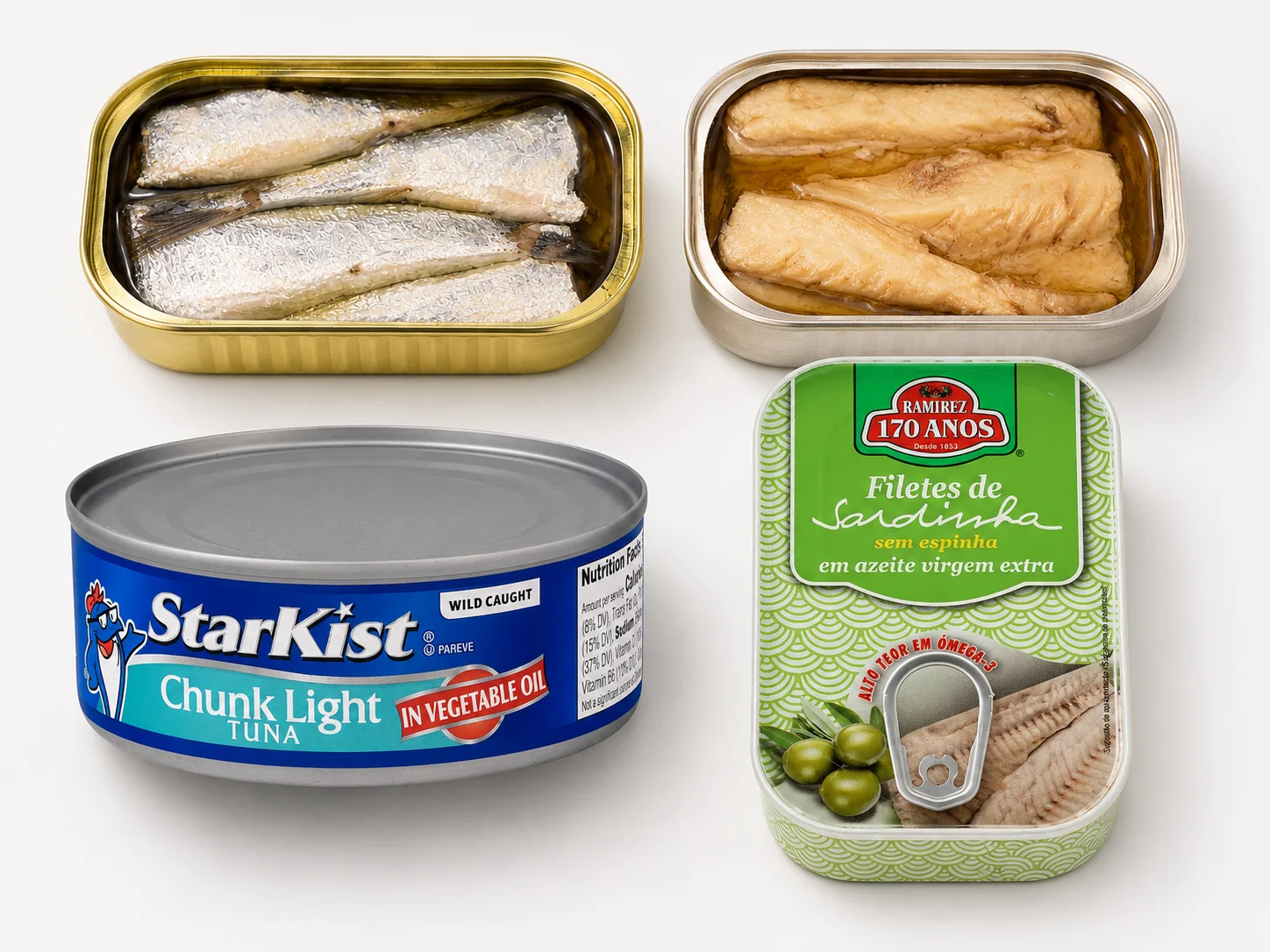
Los productos comunes incluyen:
- Atún enlatado en agua
- Atún envasado en agua
- Atún envasado en agua
Los productos envasados en agua suelen destacar por su sabor más ligero y su fácil drenaje. Desde el punto de vista del envasado, las principales consideraciones son la cobertura del recubrimiento, el contacto prolongado con la fase acuosa, el vacío, el espacio libre y el peso una vez escurrido.
Los pequeños defectos en el recubrimiento pueden volverse más significativos cuando un medio acuoso permanece en contacto directo con el metal.
El comportamiento al abrir la tapa también es importante. Un vacío elevado o un llenado excesivo pueden provocar salpicaduras de líquido al retirarla.
3.3 Mariscos envasados en salmuera
Los productos comunes incluyen:
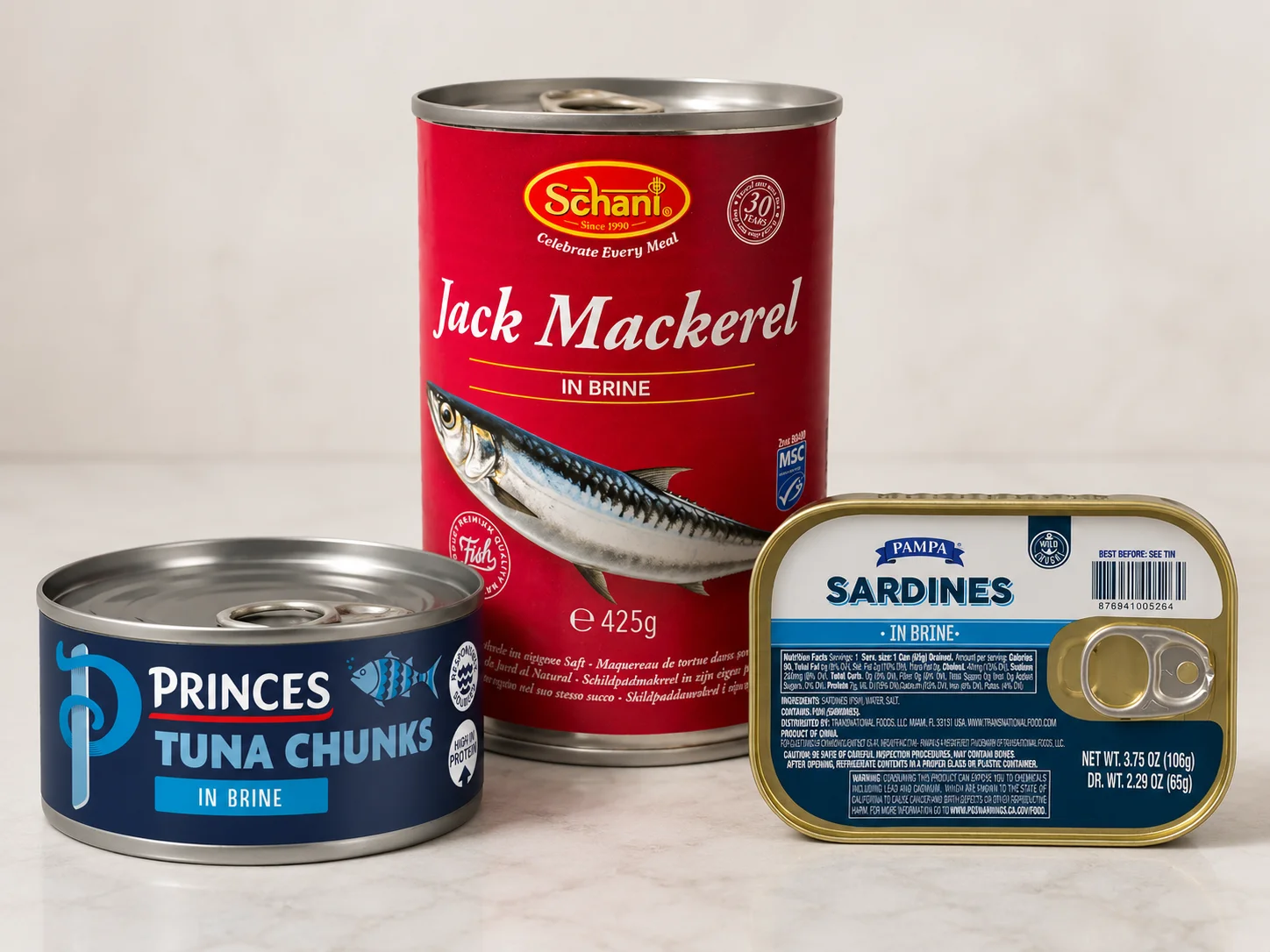
- Atún en salmuera
- Sardinas en salmuera
- Pescado repleto de agua salada
- Pescado enlatado en salmuera
La concentración de sal afecta a la corrosividad del producto, pero es solo una parte de la formulación.
El sistema de recubrimiento debe ser evaluado en función de la concentración real de sal, la composición de los alimentos, el proceso de esterilización y la vida útil prevista.
La exposición a sulfuros, la acidez, el conformado mecánico y la temperatura de procesamiento pueden alterar el rendimiento del recubrimiento. No existe un recubrimiento interno único que funcione con todos los productos del mar envasados en salmuera.
3.4 Salsa de tomate y otras salsas ácidas
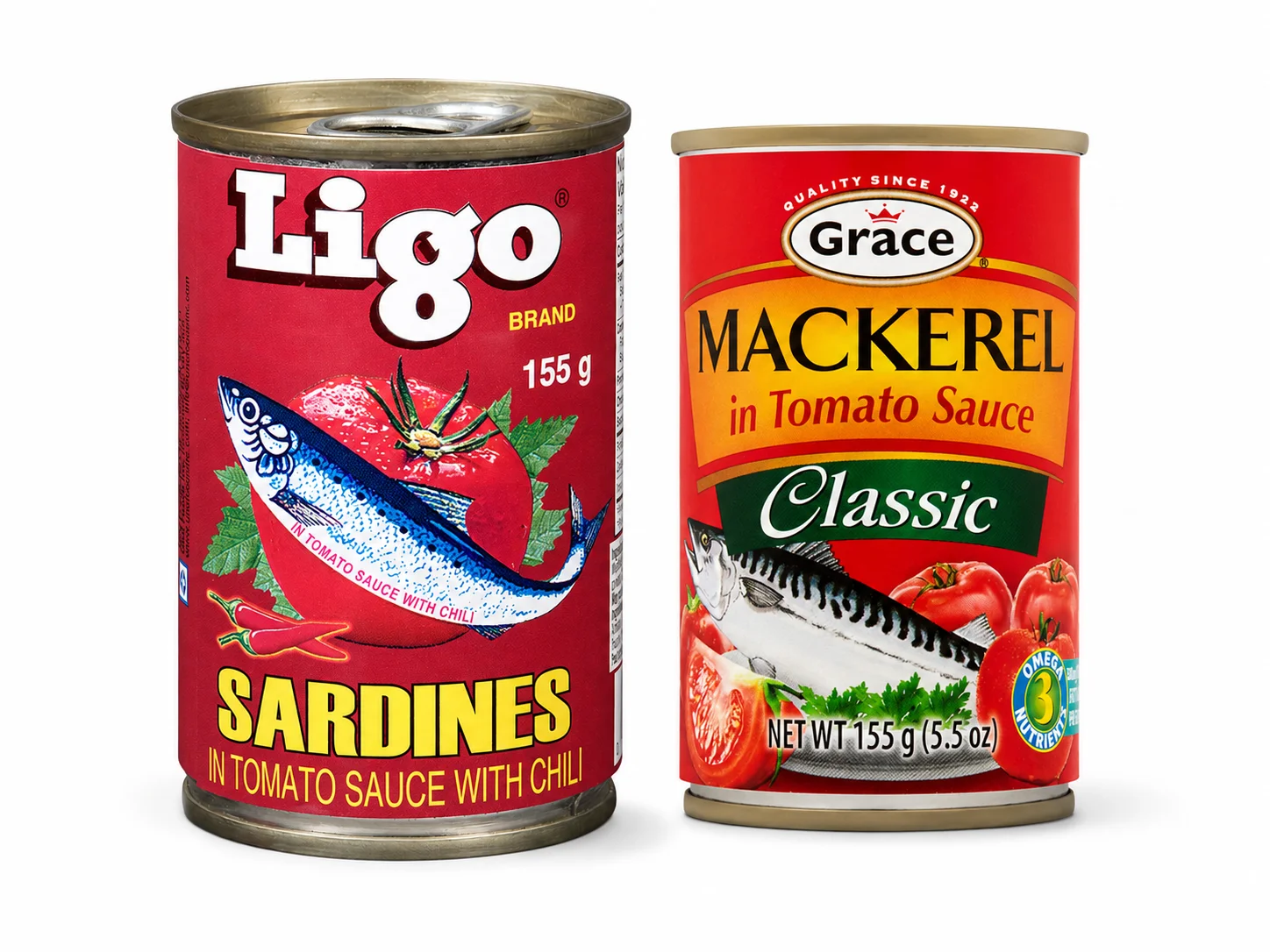
Los productos comunes incluyen:
- Sardinas en conserva en salsa de tomate
- Caballa en salsa de tomate
- Pescado en conserva en salsa de tomate picante
- Mariscos con abundante salsa
La salsa de tomate, el vinagre, el chile, la sal, el azúcar y las especias pueden crear un sistema alimentario más agresivo que el agua o el aceite solos.
Las pruebas deben realizarse con la formulación final de la salsa, en lugar de solo con el ingrediente base. Deben incluirse el cuerpo de la lata, los extremos, la zona de corte y el revestimiento de reparación de la costura lateral.
Los productos envasados en salsa también pueden requerir un método de peso escurrido diferente. El Codex proporciona un procedimiento de peso escurrido lavado para algunos productos de sardina envasados en salsa. El método de medición utilizado para los mariscos envasados en agua no siempre se puede aplicar sin ajustes.
4. Recubrimientos internos y resistencia al azufre
El revestimiento interno forma una barrera entre el marisco y el sustrato metálico. Ayuda a reducir la corrosión, las manchas, los cambios de sabor y la decoloración del producto.
Las especificaciones para productos del mar suelen hacer referencia a recubrimientos resistentes al azufre, resistencia a las manchas de sulfuro, lacas resistentes a la esterilización o recubrimientos para alimentos químicamente agresivos.
Durante el procesamiento térmico, los pescados y mariscos pueden liberar compuestos que contienen azufre. Estos compuestos pueden reaccionar con el metal expuesto y causar manchas oscuras en la lata o el producto. El Codex considera que las manchas de sulfuro que superen los límites establecidos constituyen un defecto en el atún y las sardinas enlatadas.
Un recubrimiento resistente al azufre puede reducir esta reacción, pero su rendimiento depende de la composición química, el espesor, la cobertura, el curado, la formulación alimentaria, las condiciones de conformado y la severidad de la esterilización. Un recubrimiento probado en un panel plano puede comportarse de manera diferente después de estirarlo, marcarlo, rebordearlo o unirlo.
La carne de cangrejo presenta otro problema. El contacto directo con el metal puede provocar decoloración durante el procesamiento y el almacenamiento. Por ello, algunos productos de cangrejo utilizan revestimientos completos, revestimientos en los extremos u otras barreras. Se trata de un problema de coloración del producto, no simplemente de oxidación.
El pescado enlatado también puede desarrollar cristales de estruvita. Estos son cristales de fosfato de magnesio y amonio que se forman dentro del producto. Los consumidores a veces los confunden con vidrio, pero no provienen del material de la lata. El Codex Alimentarius considera un defecto los cristales de más de 5 mm de longitud.
Para proyectos europeos, las descripciones de los recubrimientos pueden incluir "sin bisfenol", "sin BPA", "sin PFAS" o "apto para contacto con alimentos según la normativa de la UE". Estos términos deben estar respaldados por declaraciones del proveedor y documentación de pruebas.
La indicación BPA-NI normalmente significa que el bisfenol A no se utiliza intencionadamente en la formulación del recubrimiento. No debe presentarse como una afirmación de detección cero absoluta sin datos analíticos que la respalden.
5. Procesamiento en autoclave y sellado hermético
El tamaño y el procesamiento térmico no pueden aprobarse por separado.
Los mariscos enlatados suelen ser alimentos de baja acidez envasados en un recipiente herméticamente sellado. El producto debe someterse a un proceso térmico establecido y validado que garantice la esterilidad comercial.
La penetración del calor depende de las dimensiones de la lata, el tamaño de la pieza del producto, el peso de llenado, la disposición del producto, el medio de envasado, la viscosidad de la salsa, el espacio libre, la temperatura inicial y el método de esterilización.
Las piezas grandes pueden calentarse más lentamente que las pequeñas. La disposición de los productos también puede influir en el proceso de calentamiento. Por ejemplo, los camarones grandes pueden requerir más tiempo de procesamiento que los pequeños a la misma temperatura de esterilización. Además, su disposición dentro de la lata puede variar.
No cabe esperar que una lata rectangular poco profunda y una lata redonda alta se comporten de la misma manera, incluso cuando el peso neto sea similar.
Deben evitarse afirmaciones como "apto para todos los procesos de esterilización de mariscos".
La lata y el tapón deben ser homologados utilizando la formulación real del producto del cliente, el peso de llenado, el programa de esterilización y la línea de llenado.
La doble costura forma parte de esta certificación. El rendimiento de la costura depende de la brida de la lata, la curvatura del extremo, el compuesto de sellado, el espesor del metal, el mandril, los rodillos y la configuración de la máquina de sellado.
La inspección visual por sí sola no es suficiente. Las medidas de las costuras deben ajustarse a las especificaciones aprobadas para la lata, el tapón y el equipo de sellado.
6. Preguntas que debe confirmar antes de aprobar una lata de mariscos.
Antes de su aprobación, el equipo de envasado debe confirmar la especie de marisco, la forma del producto, el medio de envasado, los niveles de sal y acidez, las dimensiones de la lata, el sistema de recubrimiento, el tipo de tapa, el programa de esterilización, las especificaciones de sellado y la vida útil prevista.
El envase debe someterse a pruebas utilizando la formulación y el proceso de producción finales. Probar una lata vacía, un panel plano recubierto o un material de embalaje diferente no proporciona pruebas suficientes.
La revisión final debe responder a tres preguntas prácticas: ¿el recubrimiento protege el producto?, ¿la costura permanece hermética?, y ¿el envase se mantiene estable después del proceso de esterilización y almacenamiento?
7. Verificación final de ingeniería
Verifique que el paquete completo coincida con el producto real.
No apruebe una lata de mariscos basándose únicamente en su forma, tamaño nominal o nombre del recubrimiento. La formulación final, el peso de llenado, la disposición del producto, la tapa, el cierre, el programa de esterilización y la vida útil influyen en su rendimiento.
Una lata que funciona bien con atún en agua puede fallar con sardinas en salsa de tomate. Un recubrimiento que tolera la salmuera puede presentar manchas de sulfuro con otras especies de pescado. Una tapa de fácil apertura que funciona bien antes del procesamiento puede comportarse de manera diferente después de esterilizarla.
El envase solo está listo cuando el cuerpo de la lata, el revestimiento, la tapa, la costura, el producto y el proceso funcionan conjuntamente en condiciones de producción reales.