Leading Supplier of Bag on Valve (BOV) System
Why Choose Us

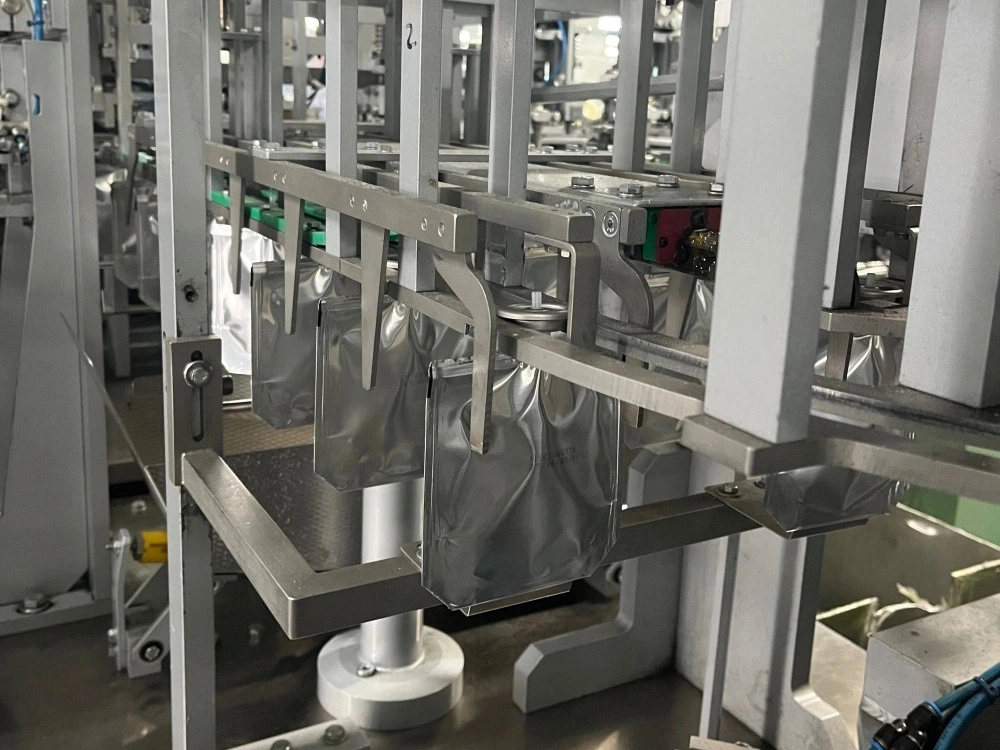
Bag on Valve (BOV) Manufacturer

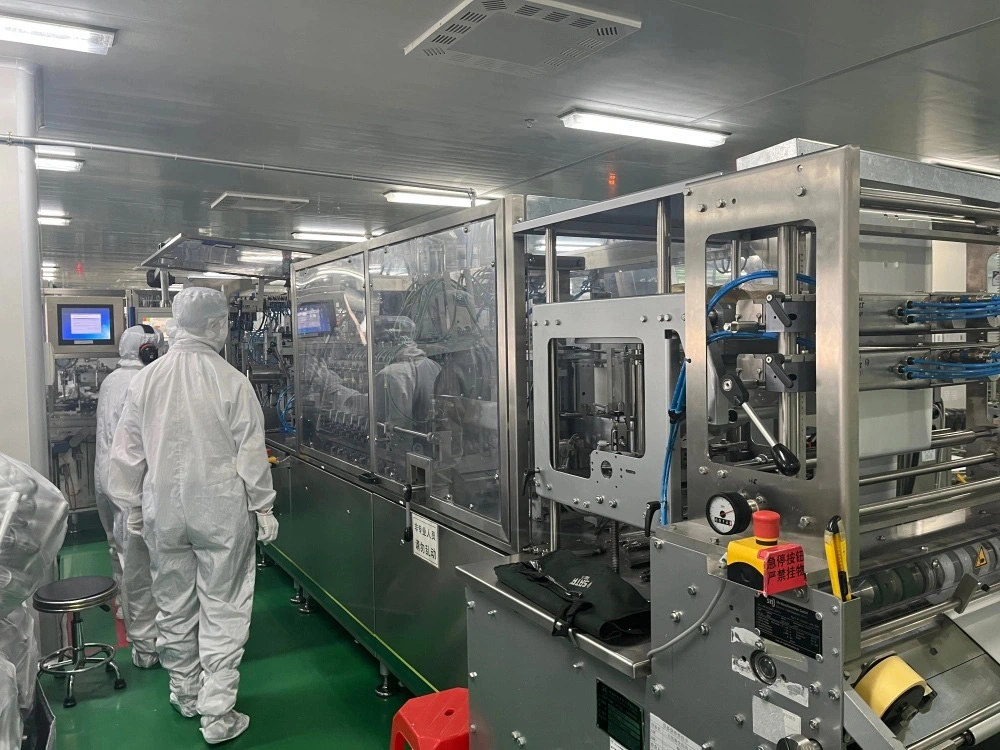
At Shining Aluminum Packaging, we excel in the design, development, production, and supply of aerosol cans and dispensing packaging solutions. Our extensive product lineup features aerosol cans, valves, actuators, BOV systems, and various accessories. We cater to both the technical and aesthetic needs of our clients, enabling them to distinguish themselves and thrive in a competitive market.

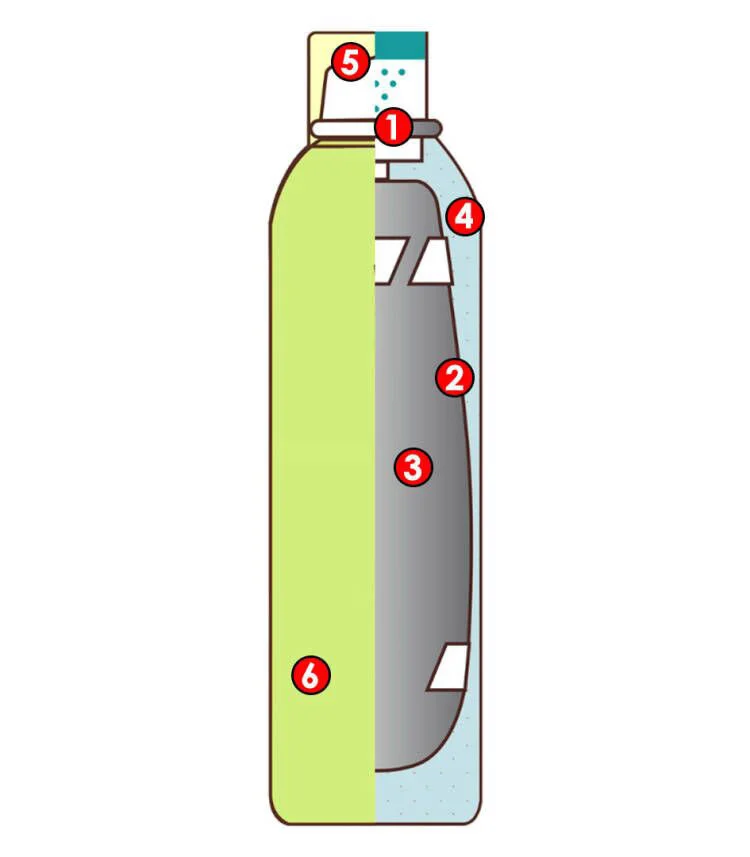
Bag on Valve Technology

Bag On Valve Technology
Bov Technology

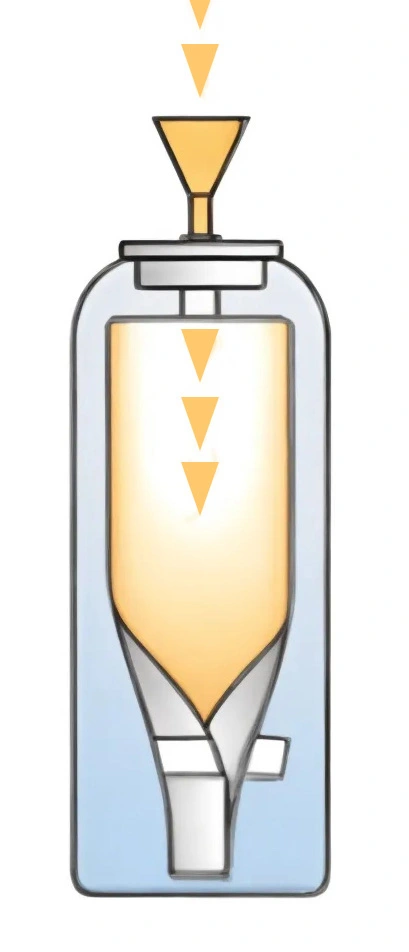
Bag on Valve Aerosol Filling Process

Bag On Valve Aerosol Filling Process Step 1

STEP 1

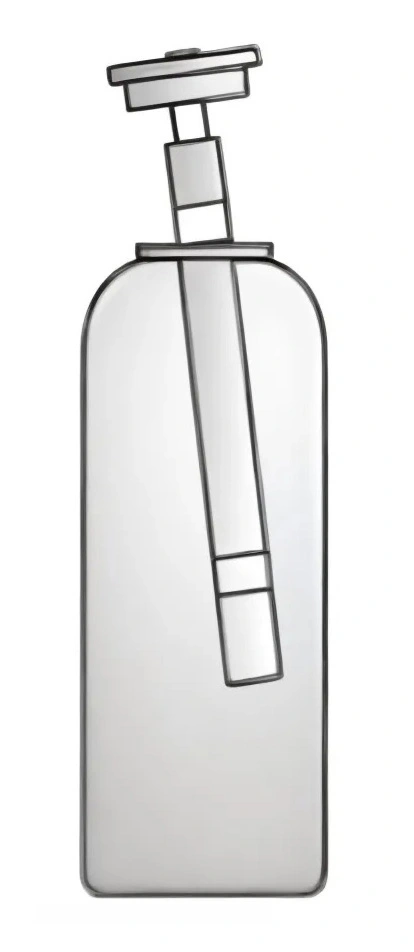
Placement of b.o.v. Inside the container

Bag On Valve Aerosol Filling Process Step 2

STEP 2

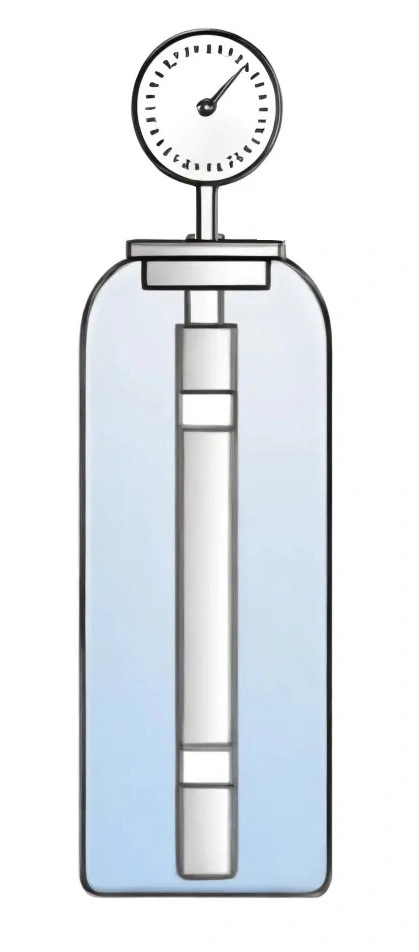
Pressure added to the container

Bag On Valve Aerosol Filling Process Step 3

STEP 3

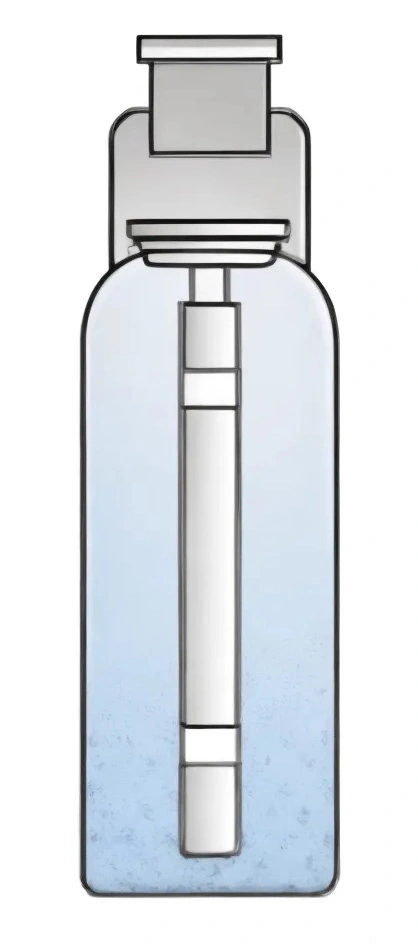
Crimping & sealing the b.o.v. To the container

Bag On Valve Aerosol Filling Process Step 4

STEP 4

Producting filling in the b.o.v. Through the valve

Bag On Valve Aerosol Filling Process Step 5

STEP 5

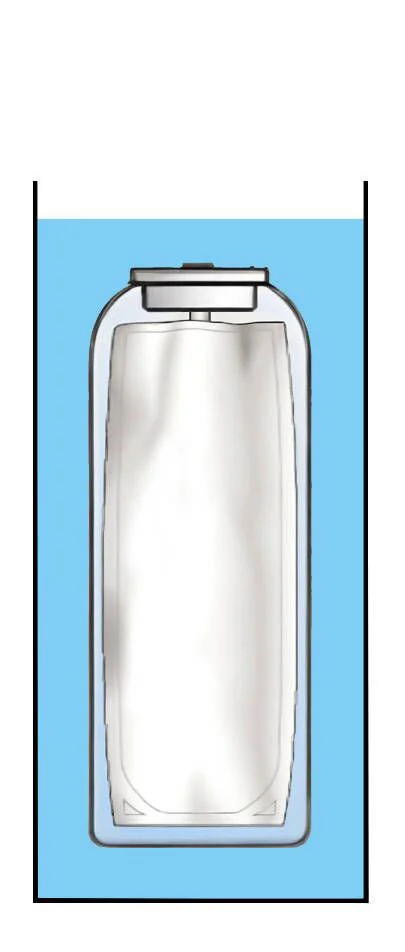
Perform water bath test to assure no leakage

Bag On Valve Aerosol Filling Process Step 6

STEP 6

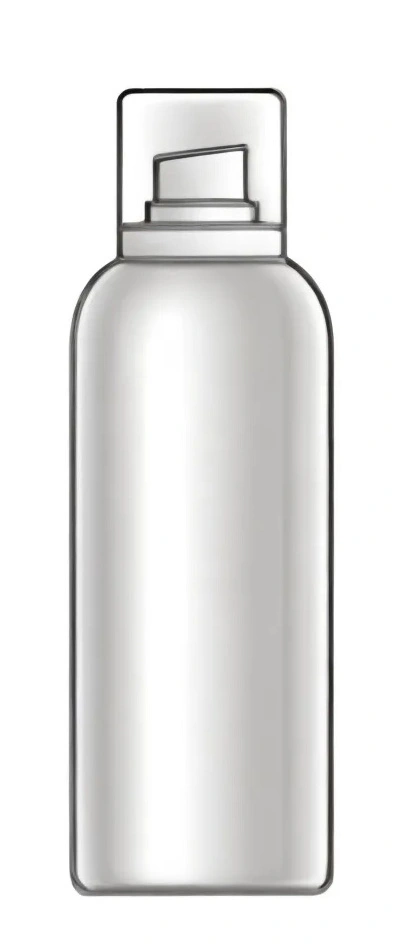
Actuiator and cap placement

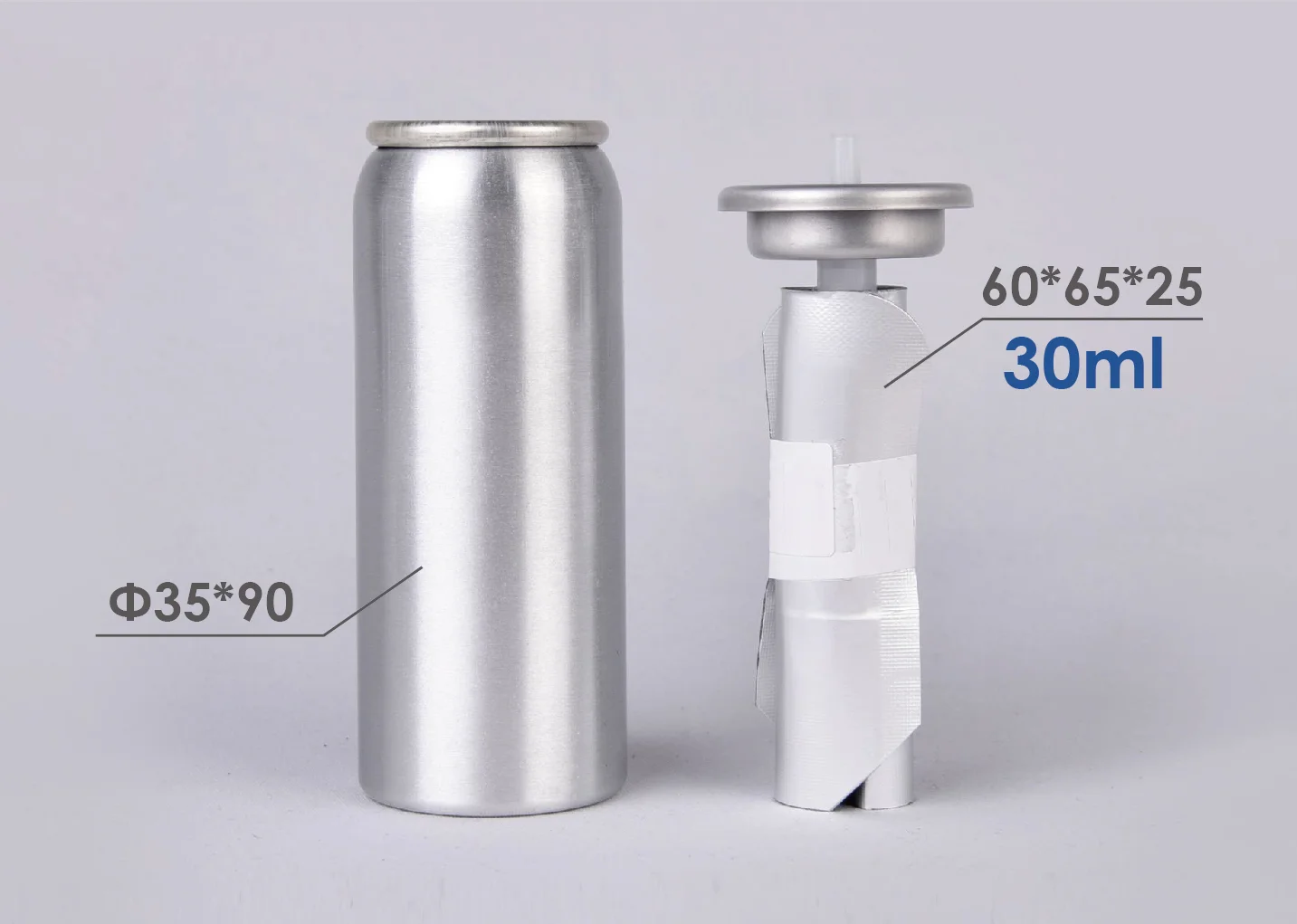
Bag on Valve Aerosol Can Size

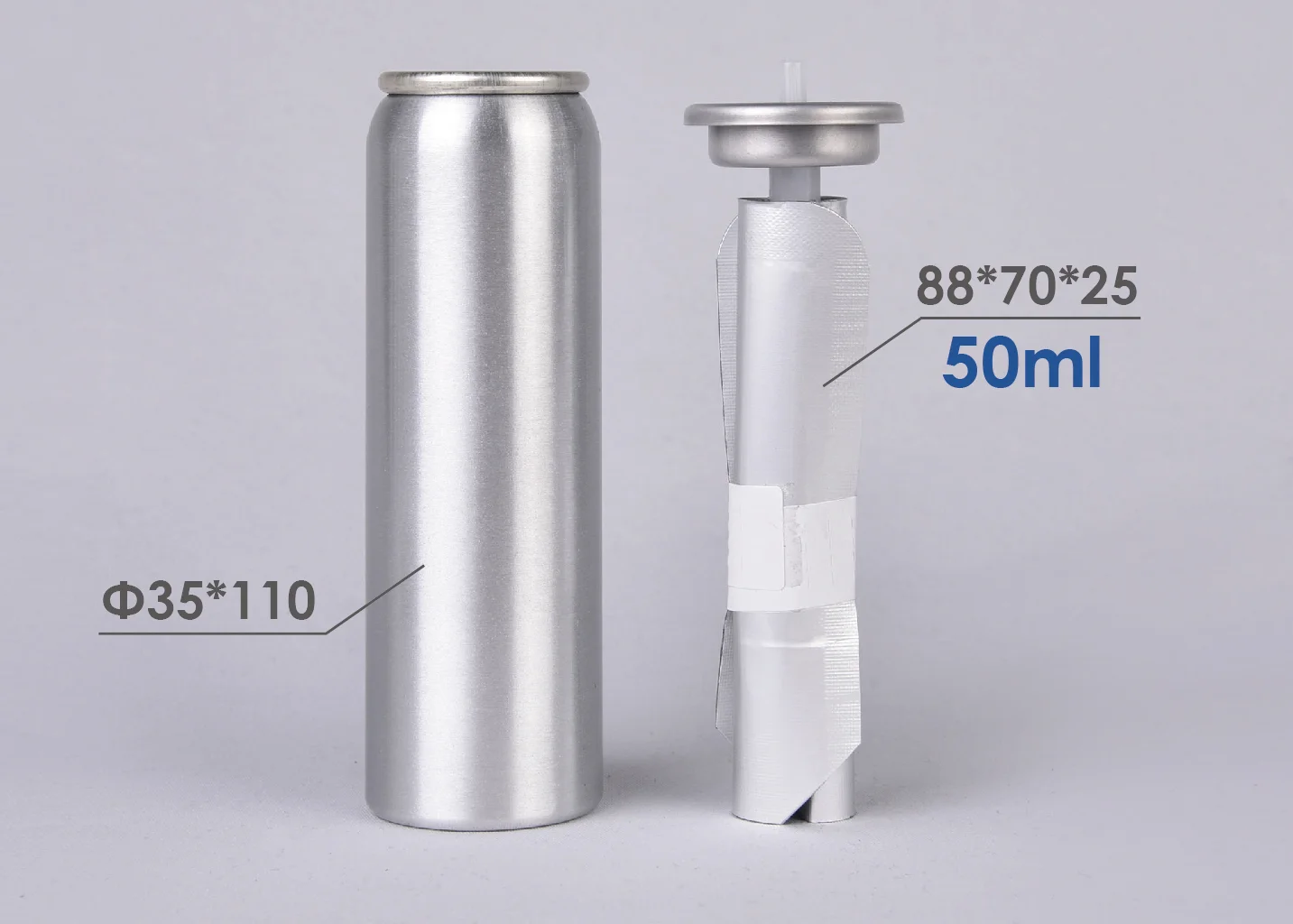
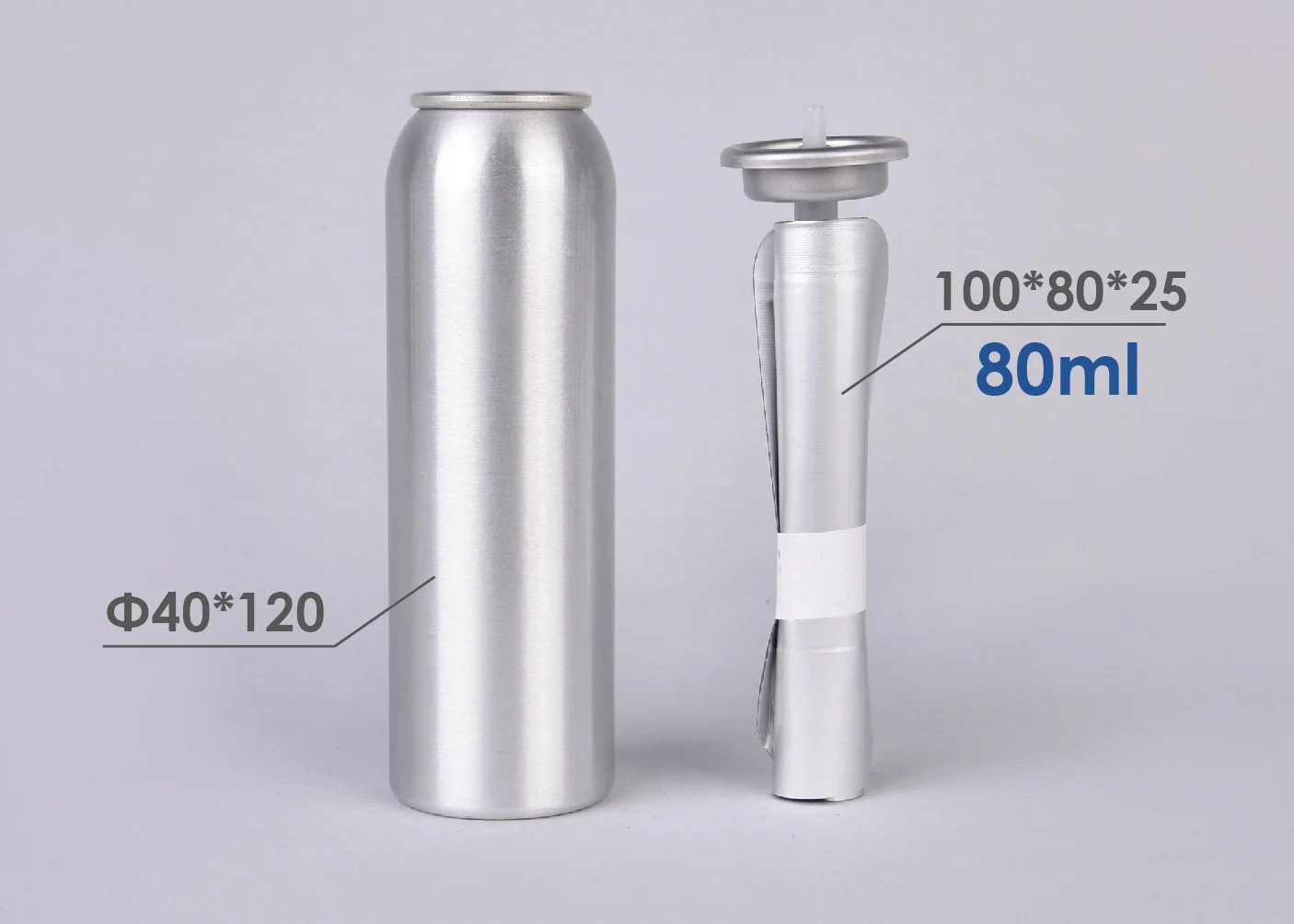
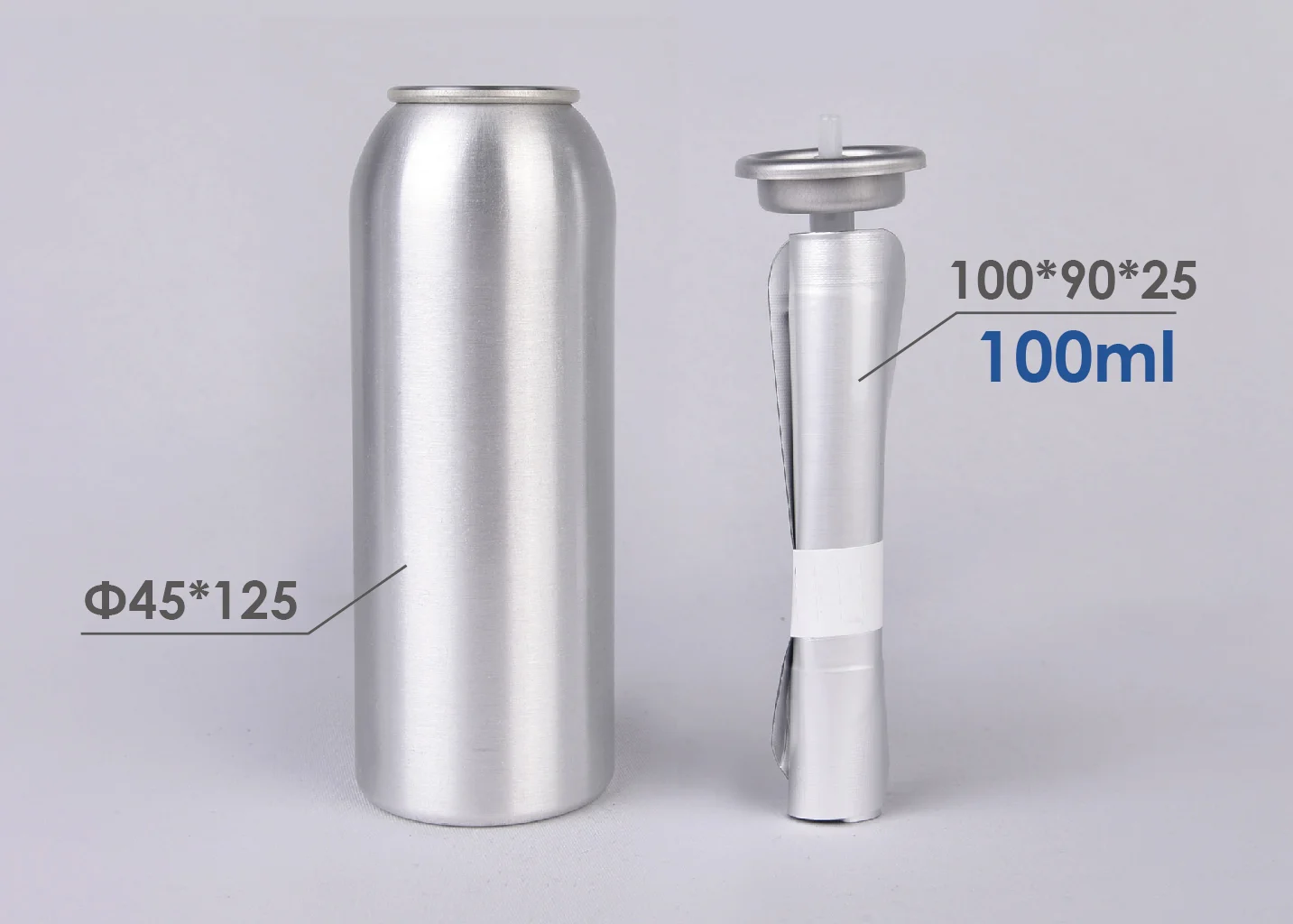
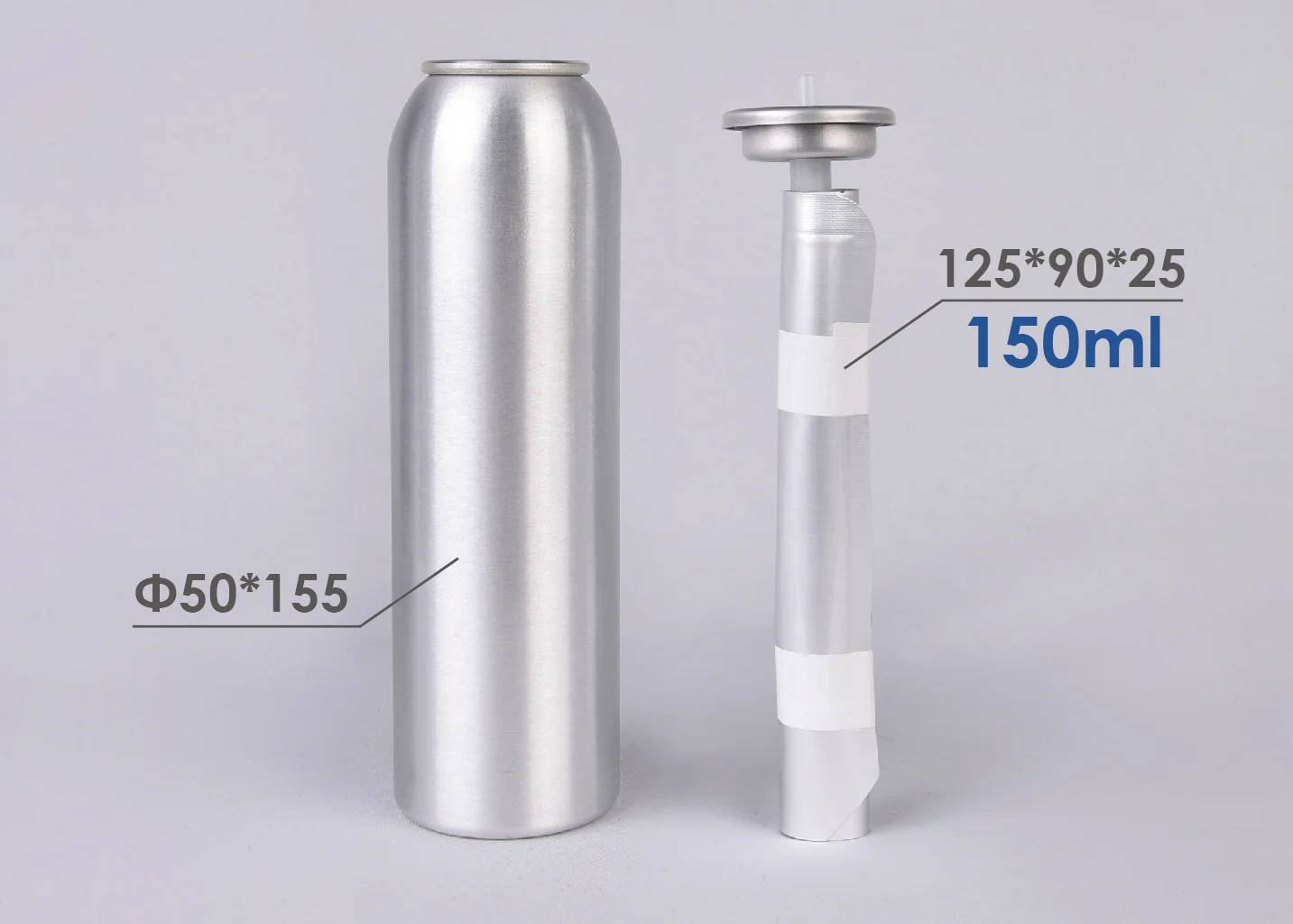
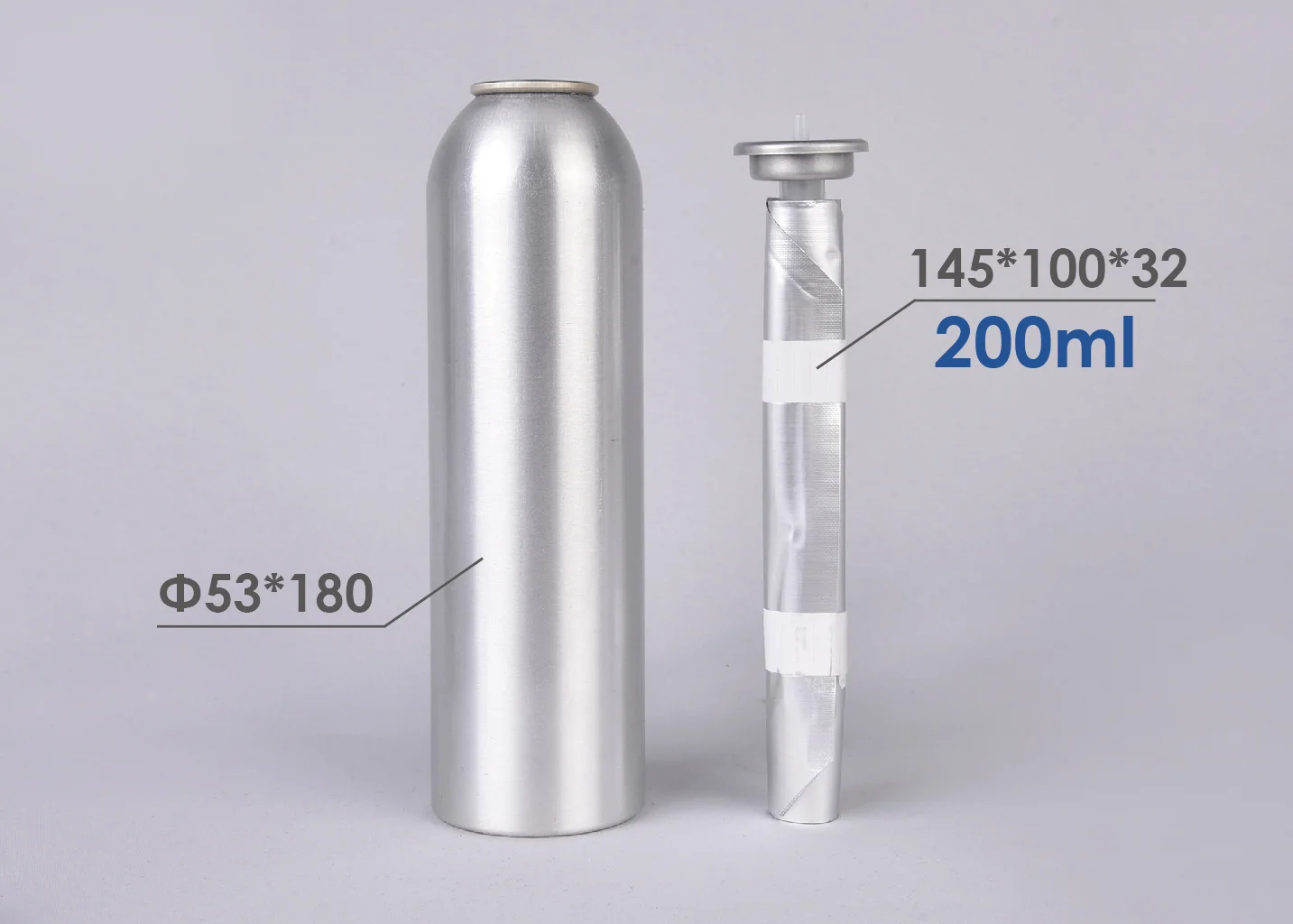
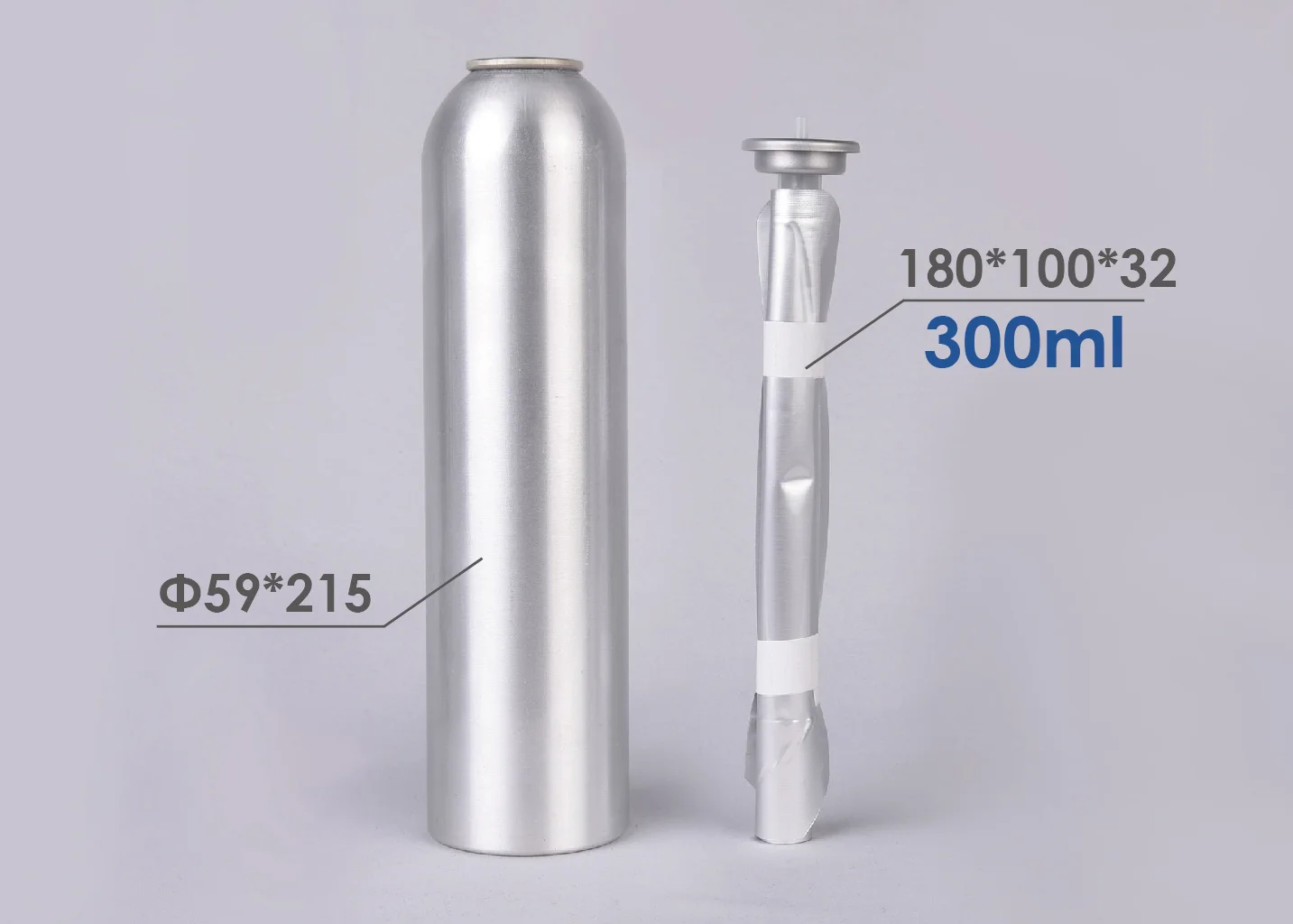
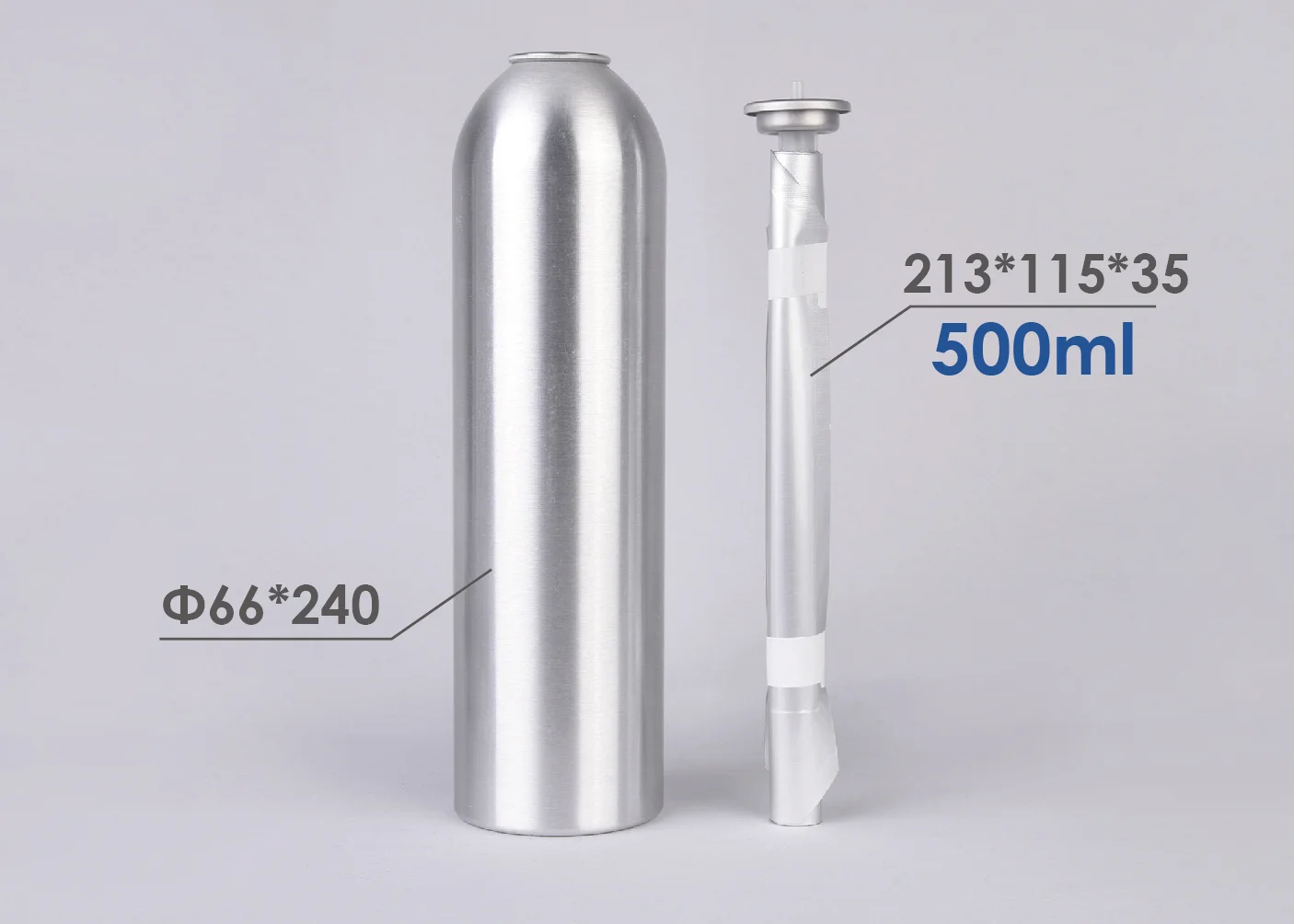
Product NumberSpray Can Size (mm)BOV Filling Capacity (ml)BOV Size (mm)
NV25.4E-30Φ35×903060x65x25
NV25.4E-50Φ35×1105088x70x20
NV25.4E-80Φ40×12080100x80x25
NV25.4E-100Φ45×125100100x90x25
NV25.4E-150Φ45×150125125x90x25
NV25.4E-150Φ50×155150125x90x25
NV25.4E-200Φ53×180200145x100x32
NV25.4E-300Φ59×215300180x100x32
NV25.4E-300-2Φ66×180300150x115x35
NV25.4E-400Φ66×230400203x115x35
NV25.4E-500Φ66×240500213x115x35

Bag on Valve Aerosol Spray

Valve vs. Bag On Valve (BOV)

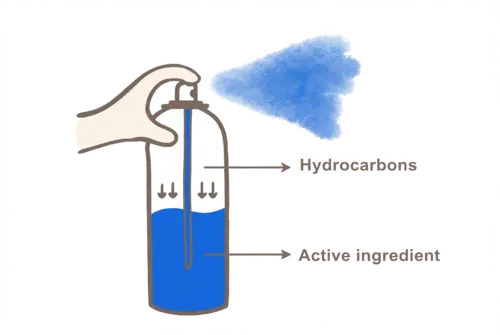
Aerosol Can

Aerosol Valve Can

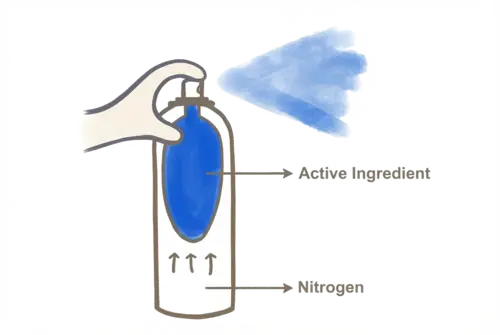
Bag On Valve

Bag on Valve (BOV)

Product Comparison
Feature Traditional Aerosol Bag-on-Valve (BOV)
Tightness / Sealing Poor sealing, no bag to protect the body packaging Multiple protective material bodies formed by valves, four-layer vacuum bags
Product Purity The propellants and ingredients are mixed, the ingredient is not pure enough The propellants and ingredients are separated, no compatibility problems
Atomization Poor atomization Continuous nano-atomization
Convenience Have sediment, shake it before use, and press several times during use No sediment, spray anytime, no need to press many times
Use Angle Can’t upside down 360°
Utilization Have residue, waste >98%
Jet Sound Hissing sound Mute
Environmental and Safety The propellant is discharged out of the tank, flammable The propellant is not discharged out of the can, does not affect the environment, and reduces the flammability of the product
Propellants Hydrocarbons Nitrogen, Air
Price Cheap Expensive
Fill Ingredient first, then propellants Propellants first, then ingredient

Bag on Valve (BOV) Aerosol Actuators

Spray Actuator

Spray Actuator

Spray Actuator

Spray Actuator

Nasal Actuator

Nasal Actuator

Cream Actuator

Foam actuator

Foam BOV

Foam BOV

Foam Actuator

Foam Actuator

Mousse Actuator

Mousse Actuator

Nasal Actuator

Nasal Actuator

BOV Oil Spray

BOV Oil Spray

Fire Extinguisher Actuator

Fire Extinguisher Actuator

Bag on Valve (BOV) Marketing

Miscellaneous

Fire Extinguishers, Air Fresheners, Odor Eliminators, Car Care Products, insect Repellents, Disinfectants

Cosmetics

Sun Care, Lotions, Creams, Facial Wash, Self-Tanning Spray, Personal Hygiene

Food

Cooking Oils, Liquid Flavorings, Vinegars, Salad Dressings, Liquid Tea & Coffee

Pharmaceutical & OTC

OTC Products ,Wound Washes, Nasal Sprays, Ear Washes, Eye Washes, First Aid Sprays , Baby Care

Veterinary & Pet

Equine Wound Washes, Anti-fungal Spray, Flea & Tick Spray, Hair Polish & Detangler, Leather Cleaner & Conditioner

Your Aerosol Packaging Partner

Specialized in Aluminum Aerosol Cans, Actuators, Valves, Bag-on-Valve Systems, and Overcaps

Find Answers to Your Questions

What types of products are suitable for Bag-on-Valve (BOV) packaging?

BOV is commonly evaluated for water-based and alcohol-based formulations, oxygen-sensitive products, nasal and wound-care sprays, personal-care products, foams, gels, and creams. Suitability is not automatic: viscosity, ingredient compatibility, bag and valve materials, the required dispensing performance, and applicable regulatory requirements must be assessed for each formulation.

In a BOV package, the formulation is sealed inside a flexible bag and the dispensing gas is contained between the bag and the can. In many conventional aerosol systems, the product and propellant occupy the same chamber. BOV may provide product–propellant separation, multi-angle dispensing, efficient product evacuation, and reduced interaction between the formulation and the dispensing gas; actual performance depends on the formulation and package configuration.

No. BOV compatibility depends on factors such as viscosity, suspended particles, solvent system, oxygen sensitivity, chemical compatibility with the bag film, valve and gasket materials, and the required spray or flow characteristics. Laboratory compatibility, stability, and dispensing tests are required before commercial production.

BOV may be appropriate when the product requires improved separation from the dispensing gas, enhanced protection of a sensitive formulation, multi-angle dispensing, efficient evacuation, or the use of compressed air or nitrogen. The decision should be based on technical feasibility, regulatory requirements, package performance, production volume, and total project cost.

BOV can limit oxygen exposure during use because the formulation remains inside a collapsible bag and the system is designed to prevent outside air from entering the product chamber. 

BOV systems can achieve a high level of product evacuation, but there is no universal evacuation percentage. The result depends on formulation rheology, fill volume, bag and valve selection, can geometry, internal pressure, and dispensing conditions. Evacuation performance should therefore be measured using the final formulation and package configuration.

Contact us

Just fill the contact form with your requirements and we’ll get back to you within 24hrs.