
Steel Aerosol Can Manufacturer & Sizes
Steel Aerosol Can
Shining Packaging, a leading Chinese manufacturer of three-piece steel aerosol cans, delivers innovative, high-quality packaging solutions tailored to your brand’s needs. Specializing in Necked-In (NI) and Straight-Sided (SS) designs, we utilize cutting-edge lithographic printing technology to create vibrant, shelf-ready designs that enhance your brand’s visibility. Our aerosol cans are certified to ISO and DOT standards, ensuring exceptional quality, reliability, and performance for a wide range of products.
Custom Steel Aerosol Can
Capacity
140–790 ml
Printing
4-colours (CMYK)
Diameter
45 – 70 mm
Internal Lacquer
Coated / Uncoated
Pressure
1.2 MPa / 1.4 MPa
High Pressure
1.8 MPa / 2.0 MPa
MOQ
20,000 pcs
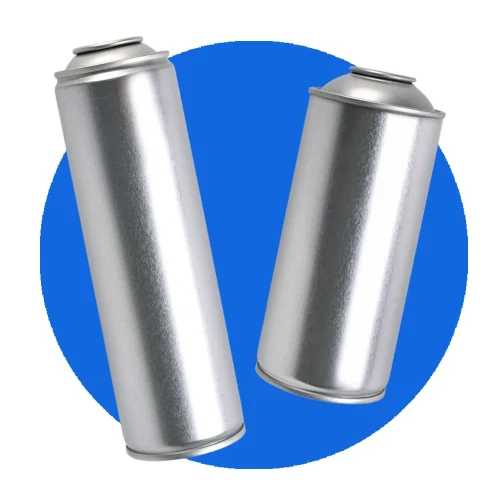
Constructed from three tinplate components (cone, can body, and dome) welded together, our steel aerosol cans, also known as aerosol tin cans, are produced through cutting, rolling, welding, lacquering, and flanging. Available in straight-sided or necked-in designs based on shoulder style.
aerosol tin can Shapes
Our three-piece tinplate aerosol cans are available in Necked-In (NI) and Straight-Sided (SS) configurations. Whether you prefer the timeless elegance of Straight-Sided cans or the sleek, modern aesthetic of Necked-In cans, Shining Packaging offers customized solutions to align perfectly with your brand identity.
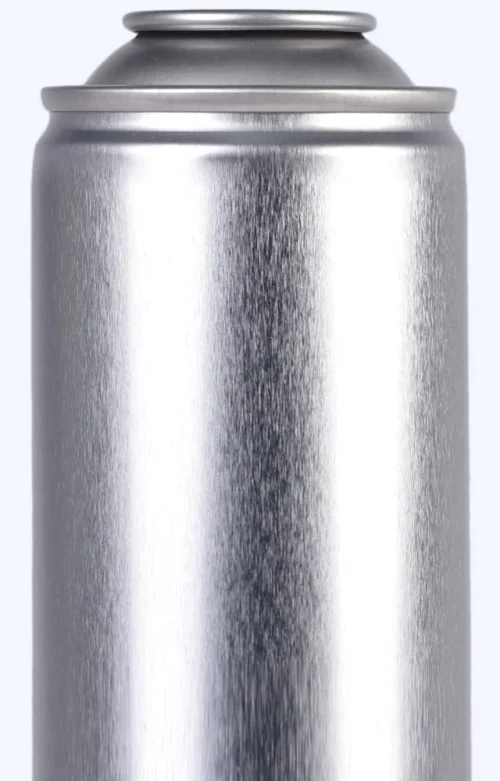
Necked-In (NI) Cans
Featuring tapered tops and bottoms, these cans provide a contemporary profile. Available diameters: 45 mm, 52 mm, 57 mm, 60 mm, 65 mm, 70 mm.
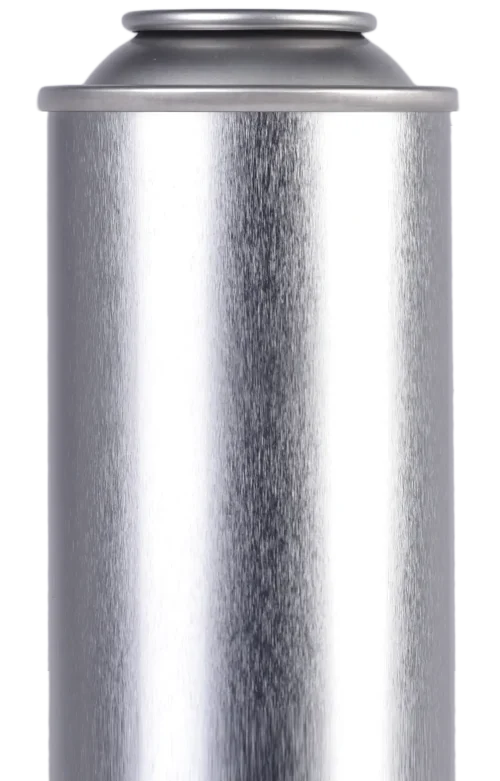
Straight-Sided (SS) Cans
With uniform diameter from top to bottom, these cans offer a classic, enduring look. Available diameters: 60 mm, 65 mm.
Steel Aerosol Can Sizes
Our aerosol cans are available in a wide range of sizes, from 112 (45 mm) to 214 (70 mm) in diameter, offering versatile packaging solutions for various applications. This variety, combined with multiple pressure specifications, provides unmatched flexibility to meet your volume needs, formulations, and commercial requirements.
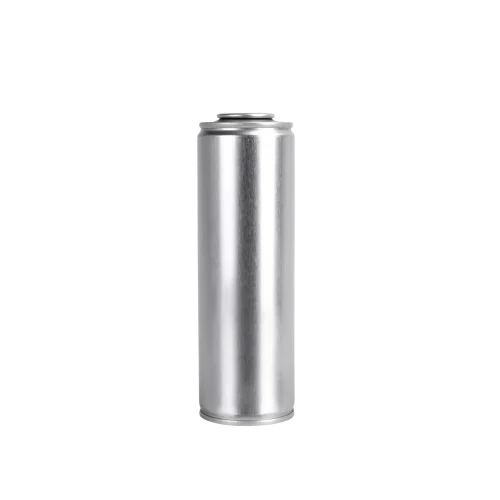
⌀45 mm (112) / Necked-In
Height: 85-180 mm
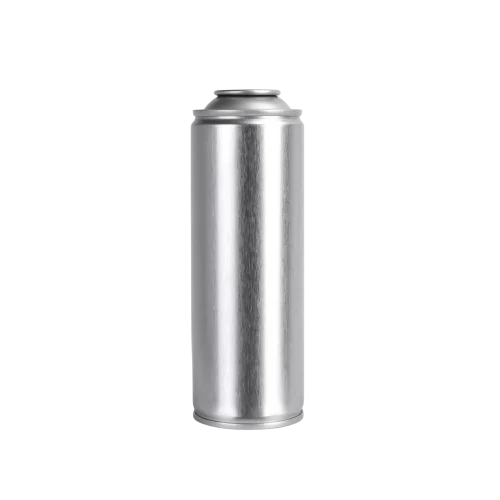
⌀52 mm (202) / Necked-In
Height: 73-240 mm
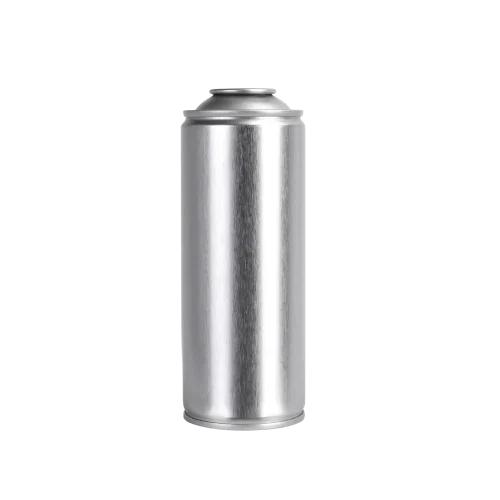
⌀57 mm (205) / Necked-In
Height: 100-240 mm
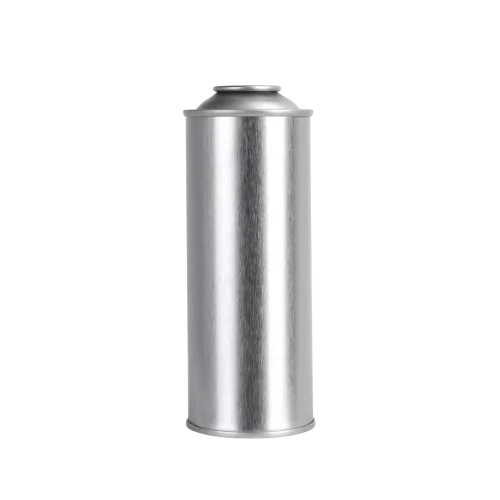
⌀60 mm (206) / Straight-Wall
Height: 100-240 mm
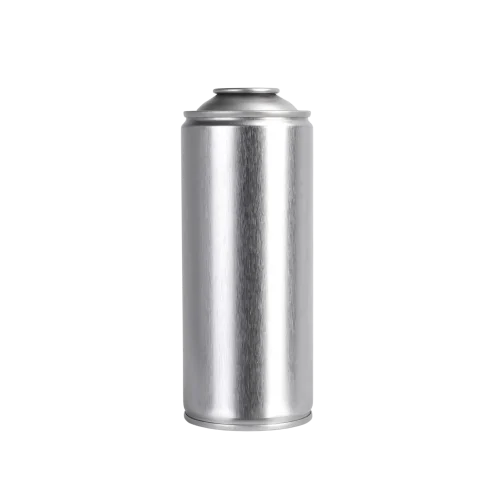
⌀60 mm (206) / Necked-In
Height: 100-240 mm
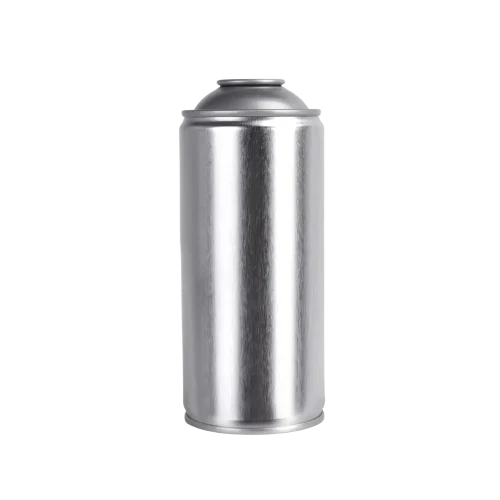
⌀65 mm (211) / Necked-In
Height: 98-300 mm
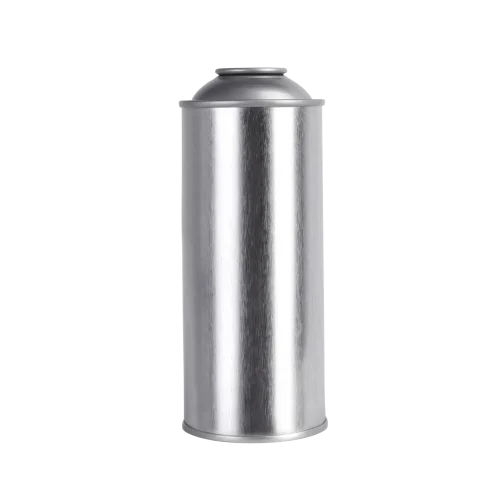
⌀65 mm (211) / Straight-Wall
Height: 98-240 mm
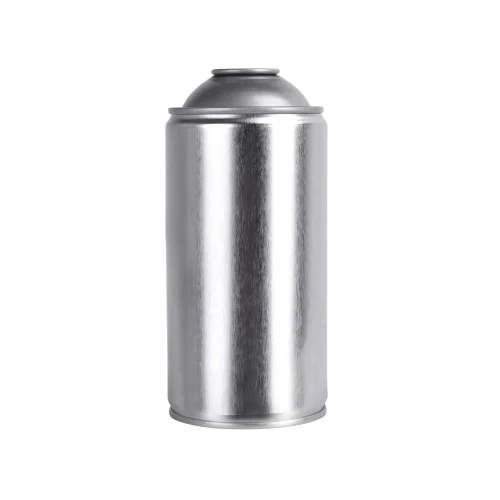
⌀70 mm (214) / Necked-In
Height: 100-253 mm
How Three-Piece Steel Aerosol Cans Are Made?
Steel Aerosol Can Size Chart
| Volume (oz) | Volume (ml) | Can Size (US) | Can Size (mm) | Shape |
|---|---|---|---|---|
| 4.7 | 140 | 112 x 312 | 45 x 96 | NI |
| 5.9 | 175 | 112 x 410 | 45 x 118 | NI |
| 7.1 | 210 | 112 x 508 | 45 x 140 | NI |
| 9.1 | 270 | 112 x700 | 45 x 178 | NI |
| 4.9 | 145 | 202 x 214 | 52 x 73 | NI |
| 6.1 | 179 | 202 x 306 | 52 x 86 | NI |
| 6.7 | 198 | 202 x 314 | 52 x 99 | NI |
| 7.6 | 225 | 202 x 406 | 52 x 110 | NI |
| 9.8 | 290 | 202 x 509 | 52 x 140 | NI |
| 10.4 | 309 | 202 x 514 | 52 x 149 | NI |
| 11.3 | 334 | 202 x 605 | 52 x 161 | NI |
| 12.4 | 367 | 202 x 700 | 52 x 178 | NI |
| 13.0 | 384 | 202 x 708 | 52 x 191 | NI |
| 16.4 | 485 | 202 x 903 | 52 x 234 | NI |
| 11.4 | 290 | 205 x 410 | 57 x 118 | NI |
| 13.5 | 396 | 205 x 604 | 57 x 159 | NI |
| 13.8 | 405 | 205 x 607 | 57 x 164 | NI |
| 15.5 | 458 | 205 x 704 | 57 x 185 | NI |
| Volume (oz) | Volume (ml) | Can Size (US) | Can Size (mm) | Shape |
|---|---|---|---|---|
| 16.3 | 482 | 205 x 710 | 57 x 194 | NI |
| 17.5 | 517 | 205 x 802 | 57 x 206 | NI |
| 17.7 | 525 | 205 x 804 | 57 x 209 | NI |
| 19.4 | 575 | 205 x 900 | 57 x 229 | NI |
| 11.0 | 325 | 211 x 315 | 65 x 100 | NI |
| 13.5 | 399 | 211 x 413 | 65 x 122 | NI |
| 17.6 | 520 | 211 x 604 | 65 x 158 | NI |
| 19.0 | 562 | 211 x 612 | 65 x 172 | NI |
| 22.0 | 651 | 211 x 713 | 65 x 198 | NI |
| 23.4 | 685 | 211 x 804 | 65 x 209 | NI |
| 26.8 | 789 | 211 x 908 | 65 x 241 | NI |
| 25.5 | 754 | 214 x 714 | 70 x 200 | NI |
| 26.7 | 789 | 214 x 804 | 70 x 209 | NI |
| 13.9 | 411 | 211 x 413 | 65 x 122 | SS |
| 17.6 | 532 | 211 x 604 | 65 x 158 | SS |
| 22.0 | 668 | 211 x 713 | 65 x 198 | SS |
| 26.7 | 790 | 211 x 908 | 65 x 241 | SS |
Detail of Steel Aerosol Cans
Printing Options
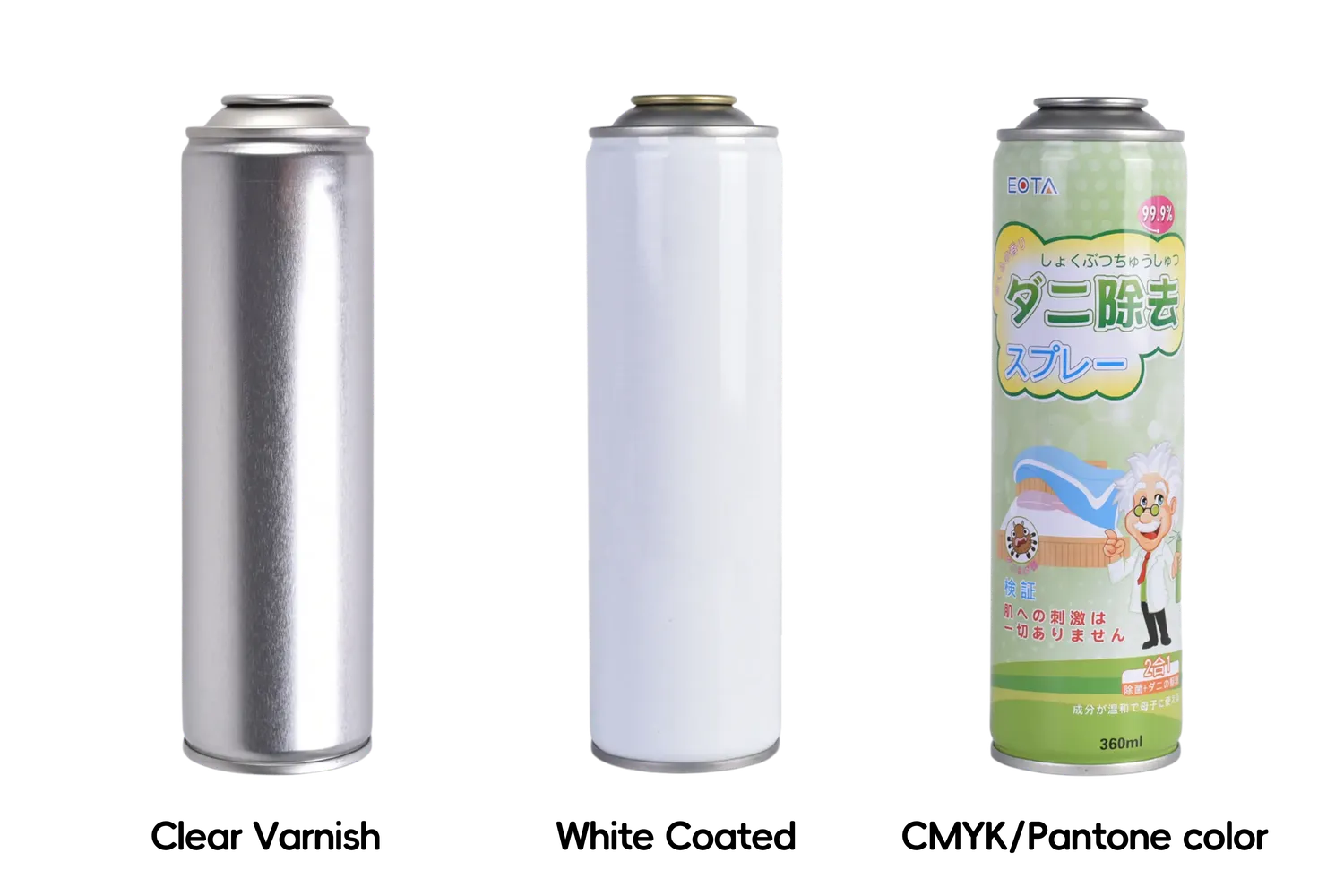
Our aerosol tin cans undergo a sophisticated printing process, featuring a clear varnish, white base coat, and vibrant CMYK four-color offset printing to ensure striking visuals and lasting durability.
- Clear varnish
- CMYK printing
- White base coat
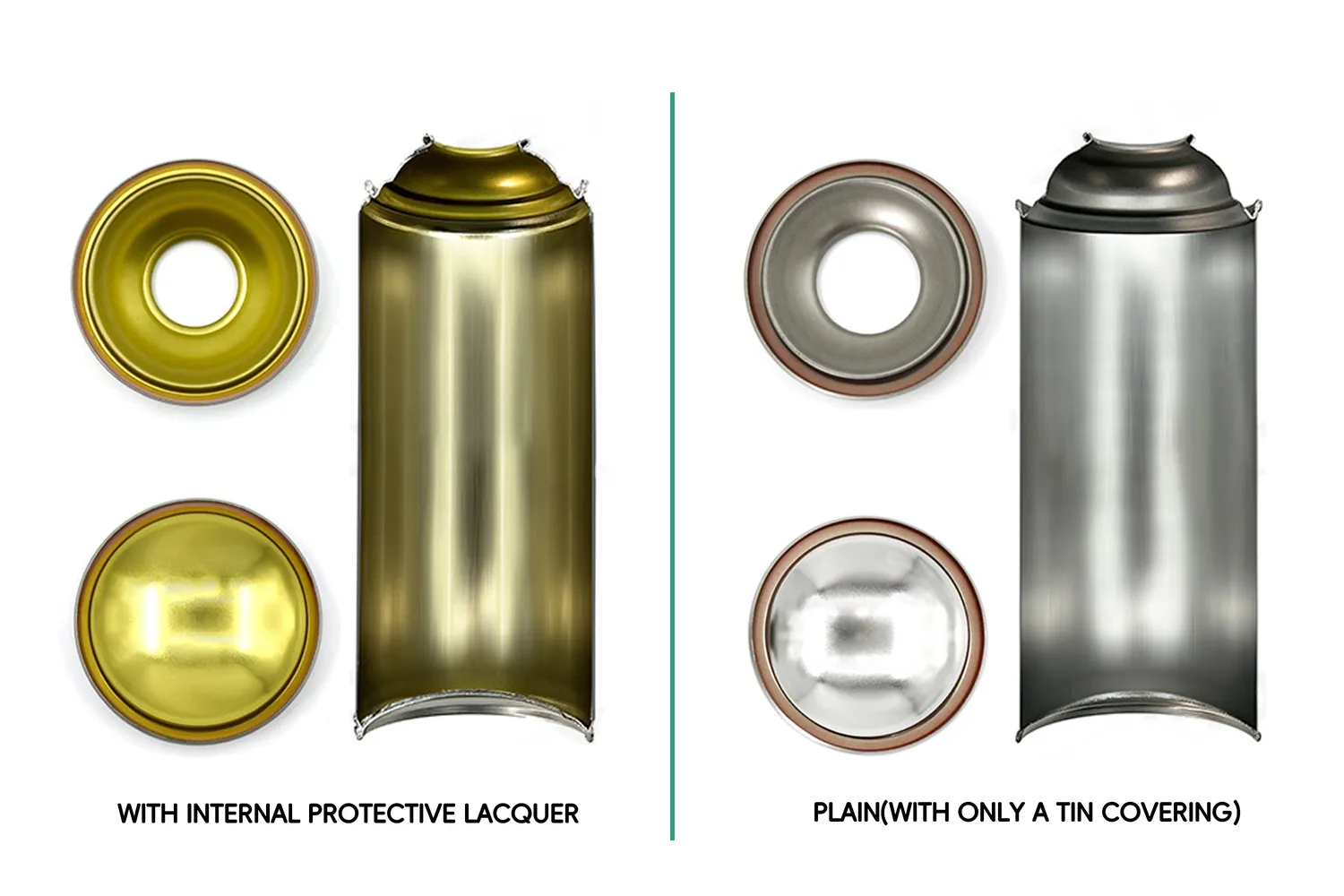
Interior Coating
Available in coated and uncoated variants, our steel aerosol cans cater to diverse product requirements. The coated option includes a protective inner lining, ideal for products sensitive to metal contact or requiring enhanced protection. Uncoated cans are suitable for non-acidic or dry products, offering versatility and reliable performance.
- Coated variants
- Uncoated variants
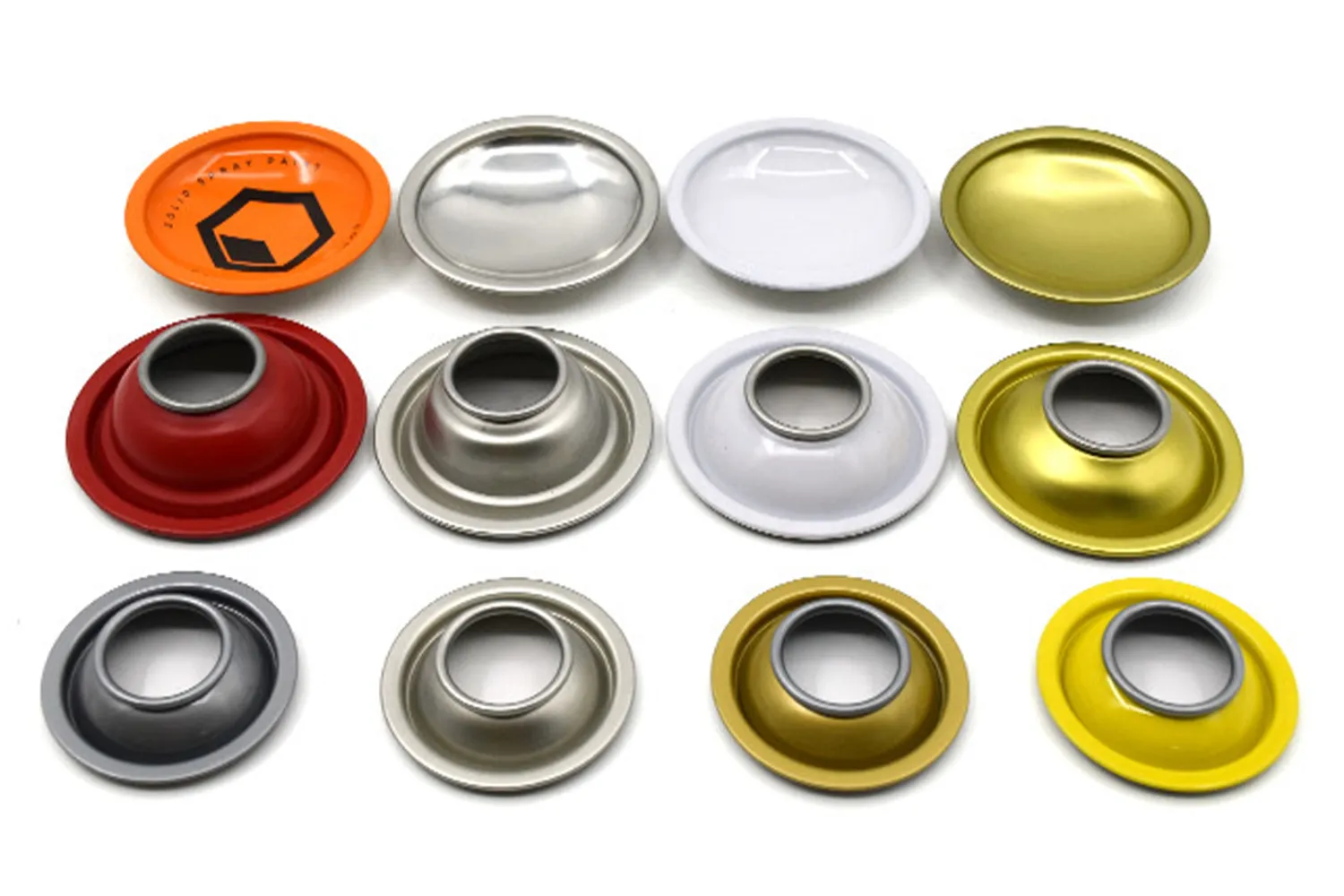
Cones and Domes
Customize your steel aerosol cans with our range of cones and domes, designed for a secure and stylish finish. Available in various colors, coatings, and heights, these components combine functionality with a professional aesthetic tailored to your product’s needs.
- Color options
- coating options
- Height options

Actuator, Valve, and Overcap
Our cans are paired with tailored accessories for liquids, foams, powders, or creams, ensuring optimal performance for your product.
Steel Aerosol Can Cases
Steel Aerosol Can Manufacturer
Shining Packaging leverages advanced manufacturing technology to produce premium aerosol tin cans. Our state-of-the-art equipment includes Swiss Soudronic welding machines (320 cans/min), German Lanico sealing machines with titanium molds (350 cans/min), and Italian Bonfiglioli & Basco leak testers (350 cans/min, 18-micron accuracy). Our comprehensive production process encompasses cutting, lacquering, drying, slitting, rolling, welding, side seam lacquering/drying, flanging, seaming, beading, and air testing.
Steel Aerosol Can Industries
Automotive & Industrial
Automotive and industrial aerosols are made for practical, demanding applications such as cleaning, lubrication, rust protection, spray paint, repair, and maintenance. We provide packaging options designed to support pressure resistance, formula compatibility, and consistent spray performance, helping products work reliably in professional and everyday use.
Home & Cleaning
For air care, household cleaning, surface care, and home maintenance products, the right aerosol packaging makes a real difference in daily use. Whether the product requires a fine mist, foam output, targeted spray, or strong cleaning delivery, we help customers choose packaging components that match the formula, usage scenario, and market positioning.
Specialty
Specialty aerosols cover many different applications, including pest control, safety products, and fuel gas. Because these products often have specific requirements for materials, sealing, safety, and compliance, we work with customers to select packaging solutions that fit the product and build trust with the end user.
Steel Aerosol Can Supplier
Our steel aerosol cans are certified to ISO9001 and U.S. DOT standards. Our proprietary Triple Test Quality Standard ensures rigorous product testing, boosting manufacturing efficiency, enhancing quality, and minimizing defects.
- Our Services
- Product projection mapping
- 3D renderings
- Printing design draft
- 3D printing
- UV digital printing
- Filling suggestions
- Our Quality Control
- Can height measurement
- Double Seam Testing
- Deformation and Burst Testing
- Rockwell Hardness Testing
- Digital Enamel Rating
- Water Leakage Test
Related Products
Frequently Asked Question
What is a tinplate aerosol can?
A tinplate aerosol can is a single-use metal container made from tin-coated steel, designed to hold aerosol products like sprays or foams. These cans dispense contents under pressure via a valve system, making them ideal for industries such as cosmetics, pharmaceuticals, and household goods. With a maximum volume of 790 ml and a standard 25.4 mm mouth diameter, they ensure compatibility with standard aerosol valves.
How are tinplate aerosol cans categorized by shape?
Tinplate aerosol cans are classified into two shapes:
- Straight-Body Cans: Uniformly cylindrical with consistent diameter, offering a classic design.
- Necked-In Cans: Tapered at the top or bottom for ergonomic handling or aesthetic appeal, often used with specific valve systems or for branding purposes.
What are the pressure performance options for tinplate aerosol cans?
Tinplate aerosol cans are engineered for varying pressure levels:
- Standard Pressure Cans: Suitable for products with moderate internal pressure, such as personal care aerosols.
- High-Pressure Cans: Designed for industrial or specialized products requiring higher internal pressure. All cans undergo rigorous testing to ensure safety and reliability against deformation and bursting.
What materials are used to make tinplate aerosol cans?
Tinplate aerosol cans are crafted from tinplate, a thin steel sheet coated with a layer of tin to prevent corrosion. The steel provides structural strength, while internal and external coatings protect the can from the product inside and environmental factors. These coatings ensure the can remains durable, safe for the contents, and maintains a long shelf life.
What quality standards are applied to tinplate aerosol cans?
- Appearance Inspection: Conducted under natural or 40W lighting at a distance of 0.6 meters to check for surface defects.
- Contact Height Measurement: Measured using a contact height gauge to ensure dimensional accuracy.
- Coating Adhesion Test: Evaluates the durability of internal and external coatings to prevent corrosion.
- Hardness Test: Assesses the external coating’s resistance to wear.
- Air Tightness Test: Uses a water bath to detect leaks under pressure.
- Pressure Testing: Verifies the can’s ability to withstand deformation and bursting pressures. These tests collectively ensure the cans meet high standards for safety and performance.
How is the air tightness of tinplate aerosol cans tested?
Air tightness is tested using a water bath method, where the can is pressurized and submerged in water. Any bubbles indicate a leak, ensuring the can maintains its seal under the internal pressure of the aerosol product. This test is essential to prevent product loss or safety issues during storage, transportation, or use, and is conducted under controlled conditions for accuracy.
What do the numbers 112, 202, 205, and 211 represent in steel aerosol cans?
The numbers 112, 202, 205, and 211 are industry-standard series numbers for steel aerosol can diameters, based on inches (whole inches + sixteenths). They are converted to millimeters using 1 inch = 25.4 mm.
- 112: 1 + 12/16 = 1.75 inches ≈ 44.45 mm (often 45 mm).
- 202: 2 + 2/16 = 2.125 inches ≈ 53.98 mm (often 52–54 mm).
- 205: 2 + 5/16 = 2.3125 inches ≈ 58.74 mm (often 57–58 mm).
- 211: 2 + 11/16 = 2.6875 inches ≈ 68.26 mm (often 65–68 mm).
Calculation: Diameter (inches) = X + Y/16, where X is whole inches and Y is sixteenths. Then, millimeters = inches × 25.4. Exact values may vary slightly per standards (e.g., FEA or DOT).