
Early Aluminum Cans
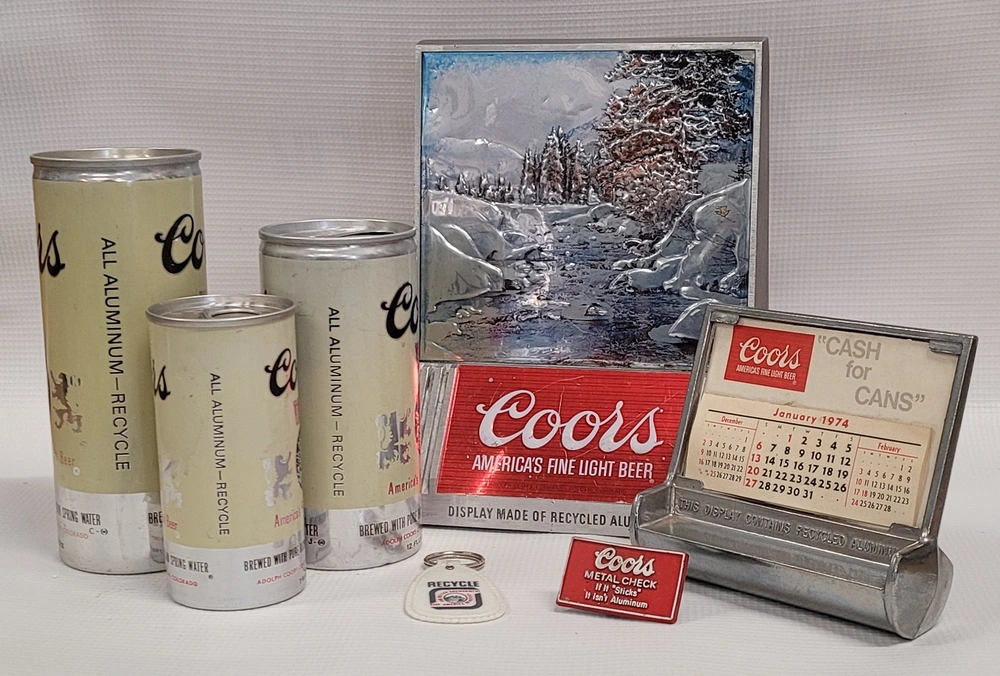
In the mid-20th century, breweries and soda companies began seeking a lighter, stronger alternative to steel cans. In 1959 the Adolph Coors Company introduced the first all-aluminum beer can (a 7-ounce container), which weighed about half as much as a comparable tin-plated can.(Source) Soon after, in 1962 the Pittsburgh Brewing Co. unveiled the first can with a pull-tab opener, eliminating the need for a separate opener tool.By 1963, Reynolds Metals rolled out the first mass-produced two-piece aluminum soda can. In 1964–65 the industry fully adopted the drawn-and-ironed two-piece can design, which used even less metal and eliminated soldered side seams. These advances set aluminum on a path to dominate beverage packaging for decades.(Source)
Opening Innovations
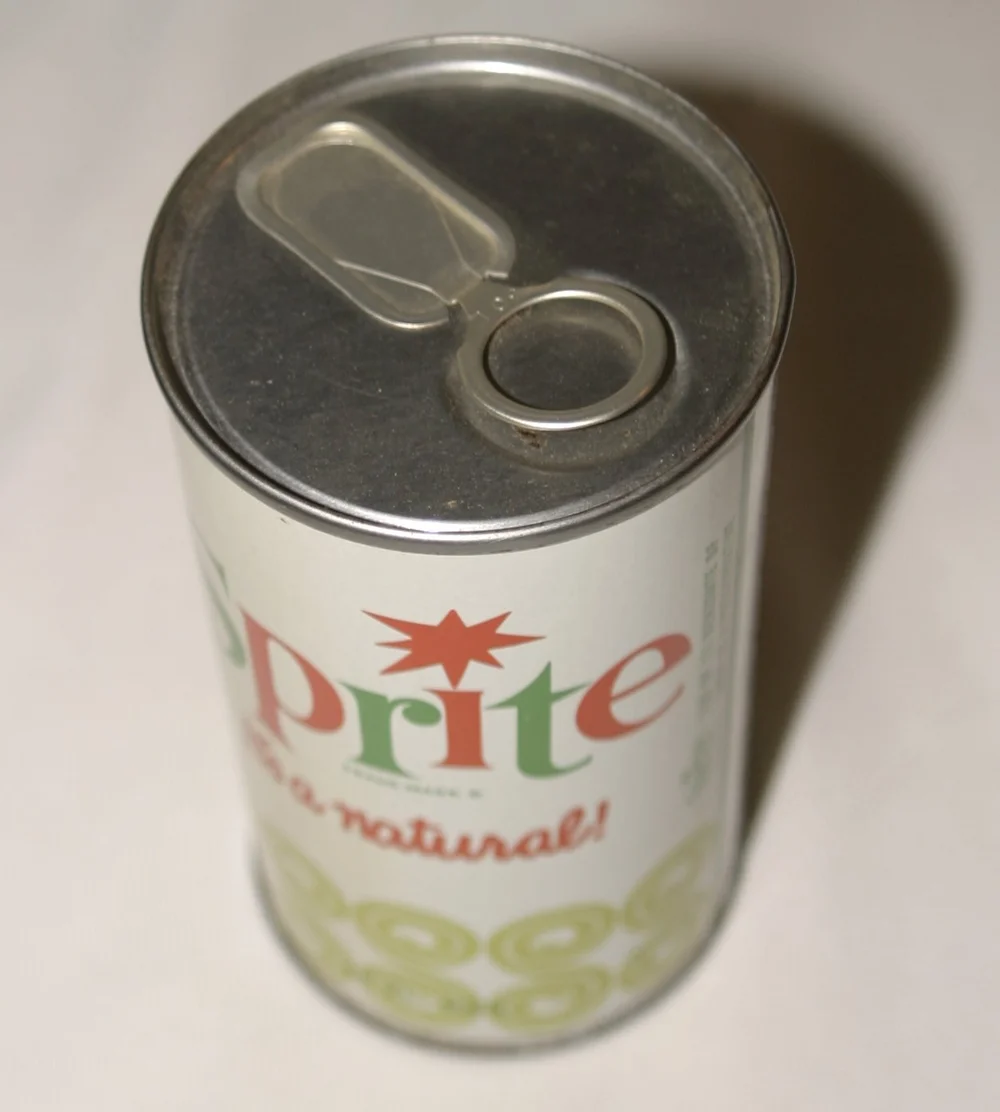
A major breakthrough was inventing easy-open tops. In 1959 Ohio engineer Ermal Fraze invented the removable pull-tab. A small ring attached to the scored lid let drinkers tear open the can by hand. This was hugely popular but littered tab rings everywhere.(Source) In 1975 Reynolds Metals solved that by introducing the stay-on tab. Its tab remains attached to the can after opening, virtually eliminating litter. The stay-on tab became the worldwide standard opener and is still used on almost all cans today.(Source) (Later, in 1989 the modern built-in ring-pull design was introduced for soft drinks and 1990 for beer, integrating the opener into the can end entirely.(Source))
Widespread Adoption and Recycling
By the 1970s, aluminum cans were everywhere. They offered conveniences that bottles couldn’t match:
Convenience & Novelty: Cans are lightweight and unbreakable, making them perfect for on-the-go use.
Efficient Distribution: Their uniform shape and low weight make stacking, shipping, and cooling easy.
Fast Cooling & Freshness: Aluminum conducts heat quickly, so canned drinks chill rapidly in a fridge, and the opaque metal blocks light that could spoil flavor.
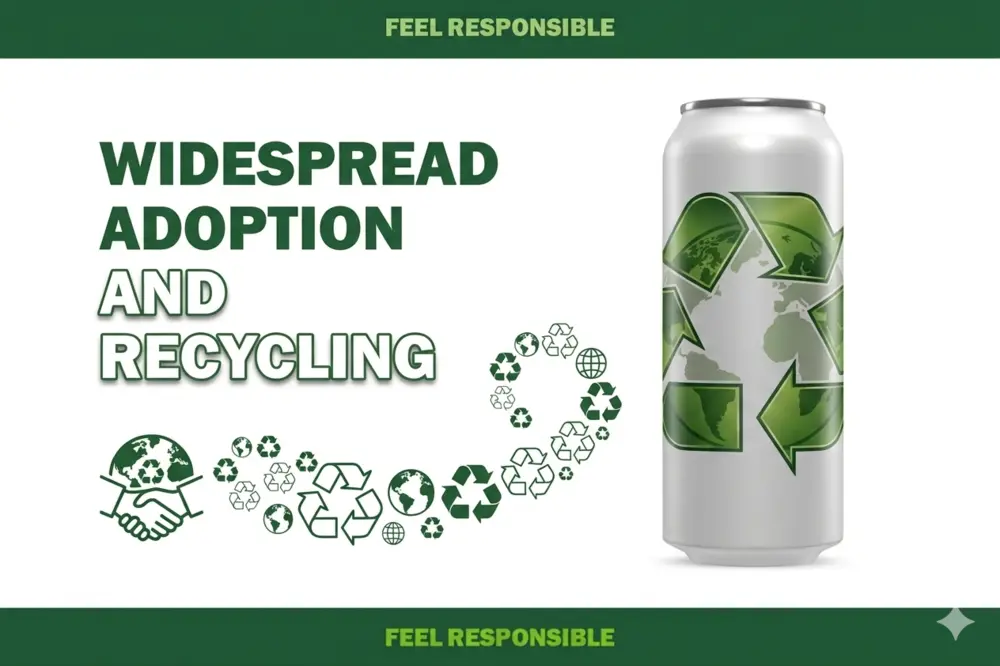
Environmental Appeal: Aluminum is 100% recyclable. Early recycling programs even paid consumers to return cans. Recycling an aluminum can saves about 95% of the energy needed to make new metal from ore.
Marketing & Retail: The rise of supermarkets and six-pack cartons encouraged bulk purchases, and cans themselves became brand billboards. Companies like Coca-Cola and Pepsi printed their logos and colors across the entire can, treating it as a “canvas” for advertising.
By the late 1970s aluminum cans had overtaken glass bottles and steel cans as the dominant soft-drink package in the U.S.. Roughly 200 billion aluminum cans are produced worldwide each year (about 75% of U.S. beverage packaging by volume). In the U.S. alone, some 100 billion cans are used annually, with roughly half being recycled. The recycling industry around cans is enormous: in the U.S. it employs over 160,000 people and generates more than $10 billion in economic activity each year. In fact, nearly 75% of all aluminum ever produced is still in use today, a testament to how effectively cans are recycled.(Source)
Modern Cans and Sustainability
Even today, aluminum cans keep evolving. Modern cans are made with thinner walls and lighter gauge metal – one pound of aluminum now yields far more cans than it did in the 1970s – which greatly reduces material use. Advanced printing lets graphics cover the entire body with high-resolution colors. Cans now come in special shapes (ultra-slim “energy” cans, ribbed or embossed bodies) and with features like resealable lids or thermochromic inks that change color when cold.
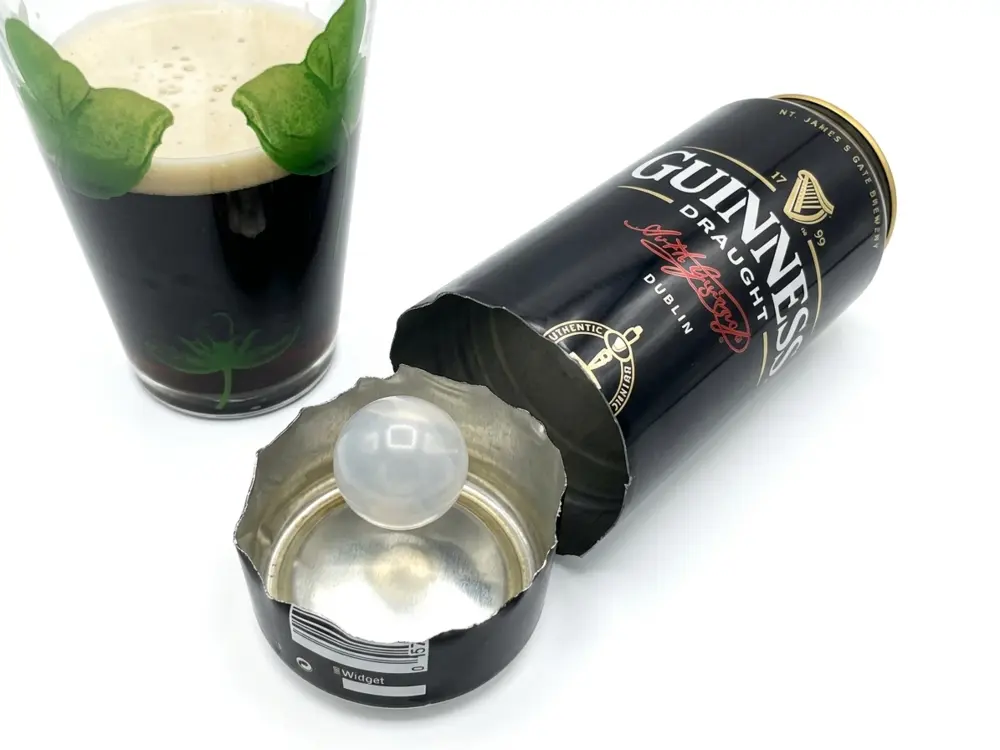
Cans also hold more than sodas and beer now. Many craft beers, wines, sparkling waters, juices, and ready-to-drink cocktails are sold in aluminum cans. For example, some stout-beer cans contain a tiny nitrogen “widget” inside that creates a creamy draft-like head when poured. (That late-1980s widget innovation remains a notable aluminum-can breakthrough.)
Innovation continues: today engineers are exploring cans with embedded LED temperature indicators, color-changing coatings, and NFC (smartphone) chips for marketing. These futuristic ideas show that even a century-old container keeps adapting to new technology.
For scale, over 400 billion beverage cans are made globally each year, reflecting the can’s ongoing importance. Through all these changes, the aluminum can remains a symbol of packaging innovation. Its lightweight, stackable form and high recyclability continue to meet modern needs for convenience and sustainability. From the first Coors beer can to today’s high-tech designs, the aluminum beverage can has proven a durable, eco-friendly container that adapts to changing consumer tastes and technology.