
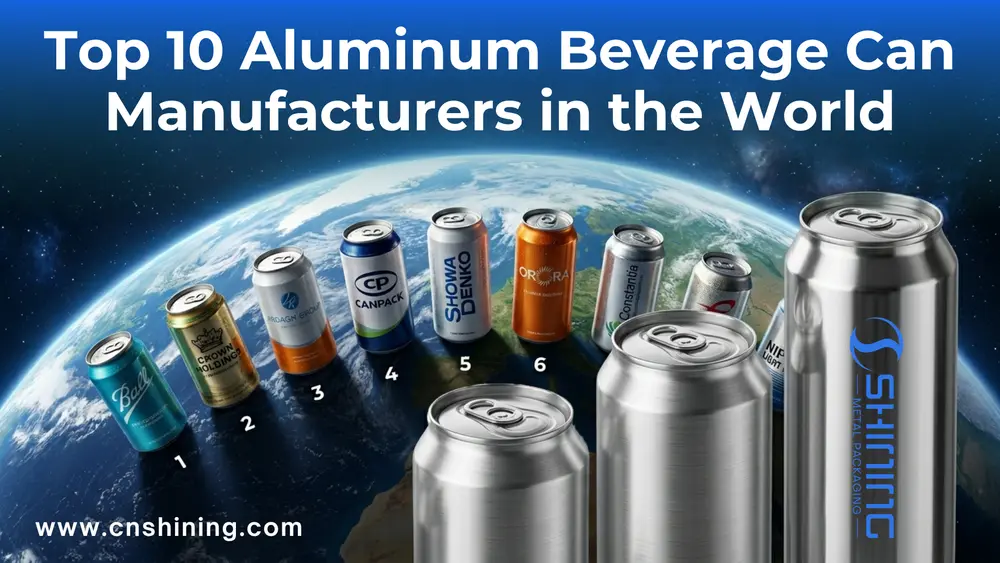
Aluminum beverage cans, primarily made from aluminum alloy, are lightweight, recyclable containers that have become one of the most widely used packaging solutions in the global beverage and food industry. From carbonated drinks and beer to energy drinks and ready-to-drink coffee, aluminum cans are prized for their durability, corrosion resistance, and ability to block out light and oxygen to preserve beverage freshness. Their production process involves forming, coating, and sealing to ensure safety and hygiene. In addition, aluminum cans offer convenience, stackability, and sustainability—they can be recycled indefinitely without loss of quality. Compared to plastic or glass, aluminum cans have a lower carbon footprint and reduced environmental impact, making them a popular choice for efficient, eco-friendly packaging in the beverage industry.
Driven by a growing corporate focus on sustainability, the global aluminum beverage can market is expected to see significant growth. According to a report by Straits Research, the market was valued at $35.56 billion in 2024, and is projected to grow from $37.69 billion in 2025 to $60.75 billion by 2033, with a compound annual growth rate (CAGR) of 6.0% during the forecast period (2025–2033).(Source)
Behind this growing market demand are some of the industry’s top manufacturers, who are driving large-scale production and a stable supply chain around the world. These companies not only produce billions of aluminum cans each year, but also invest heavily in cutting-edge technologies such as lightweighting, high-speed manufacturing, and digital printing to meet evolving market needs.
In this article, we highlight the world’s leading aluminum can manufacturers in 2026, offering an in-depth look at their core strengths, global footprint, and key capabilities. Whether you’re a beverage brand owner, distributor, or packaging buyer, getting to know these industry leaders will help you find the right partner for your business.
Top 10 Aluminum Can Manufacturers in the World
| Brand | Year | Location |
|---|---|---|
| Ball Corporation | 1880 | Westminster, Colorado, USA |
| Crown Holdings Inc. | 1892 | Yardley, Pennsylvania, USA |
| Ardagh Group | 1932 | Luxembourg City, Luxembourg |
| Can-Pack S.A. | 1992 | Krakow, Poland |
| Silgan Holdings Inc. | 1987 | Stamford, Connecticut, USA |
| Toyo Seikan Group Holdings Ltd. | 1917 | Tokyo, Japan |
| Shining Packaging | 2012 | Ningbo, China |
| GZ Industries | 2006 | Agbara, Nigeria |
| Showa Denko K.K. | 1939 | Tokyo, Japan |
| Orora Packaging Australia Pty Ltd. | 1949 | Melbourne, Australia |
1. Ball Corporation

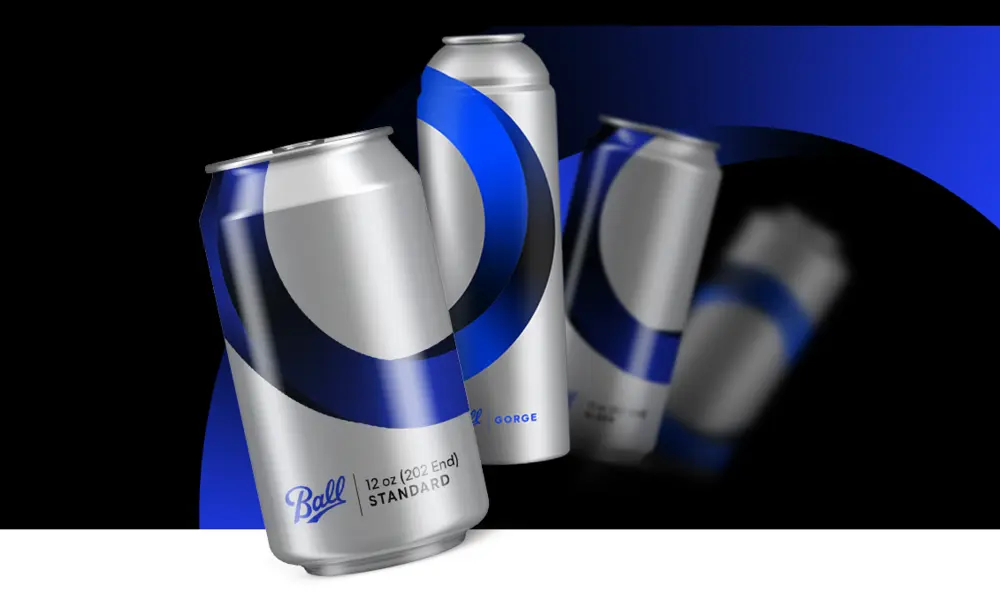
Ball Corporation is one of the largest aluminum can manufacturers in the world, known for its global scale, advanced technology, and strong focus on sustainable packaging solutions. The company supplies aluminum beverage containers to bottlers of carbonated soft drinks, beer, energy drinks, and other beverages across the United States, Brazil, and beyond. In addition, Ball manufactures and sells aluminum bottles, aerosol cans, personal and home care bottles, and aluminum slugs. The company entered the beverage can manufacturing industry in 1969 with the acquisition of Jeffco Manufacturing Co.
2. Crown Holdings Inc.

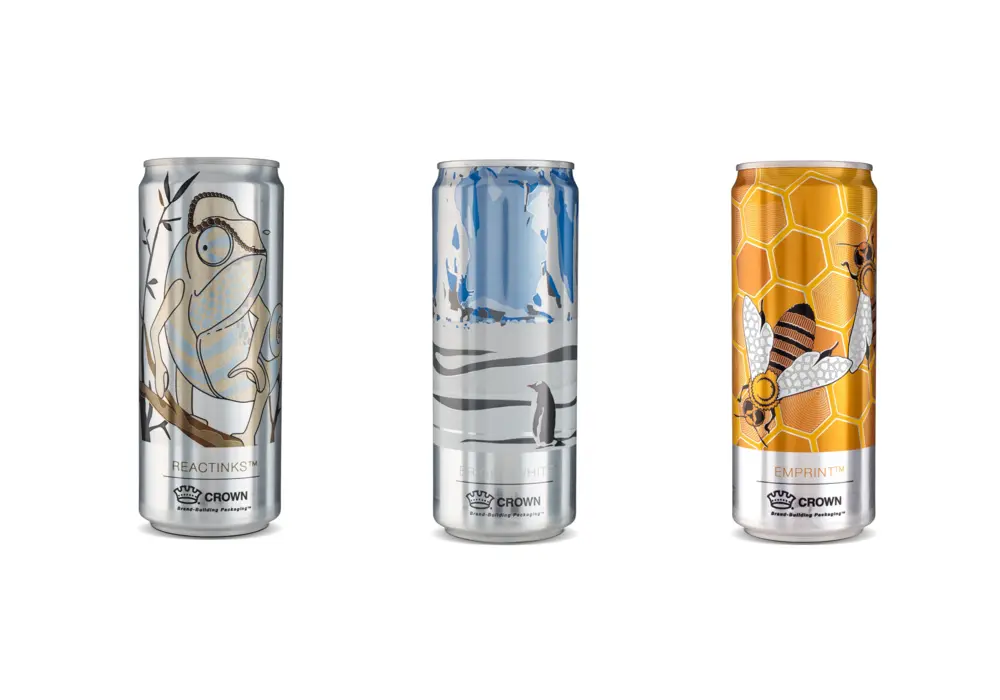
Crown Holdings, Inc. is a global leader in metal packaging technology, recognized for its innovations in packaging design, lightweighting, and advanced manufacturing processes. The company produces beverage cans, food cans, aerosol cans, and a wide variety of complementary closures. Through the acquisition of Signode, Crown has also expanded into transit packaging, creating an integrated transport packaging system. Crown manufactures tens of billions of beverage cans each year for soft drinks, beer, energy drinks, sparkling water, and other beverages, serving markets across North America, Europe, Asia Pacific, and other regions. While over 60% of Crown’s revenue comes from outside the United States, the Americas—led by the U.S.—remain the company’s single largest source of revenue.
3. Ardagh Group

Ardagh Group is one of the world’s largest metal and glass packaging companies, committed to market-leading innovation, outstanding quality, and strong customer service. Its aluminum beverage cans are used by leading global brands across beer, soft drinks, energy drinks, and sparkling water. Ardagh’s aluminum can and glass packaging businesses primarily serve markets in North America, Europe, and Africa. According to market research, Ardagh, together with companies such as Ball and Crown, accounts for approximately 66% of the global aluminum beverage can market.

4. Can-Pack S.A.

CANPACK is an international metal packaging company producing beverage cans, glass bottles, food cans, aerosol cans, and metal closures. Its operations span Europe, North America, South America, Asia, and Africa, with Europe as its core market.
CANPACK notes that its beverage can and ends division is the largest within the group and a key focus for future investment. The company produces approximately 36 billion cans annually, accounting for around 90% of total revenue. In recent years, CANPACK has continued to expand its footprint, establishing new aluminum can production facilities in the United States, Brazil, Colombia, and India. According to reports, CANPACK’s second plant in Colombia is expected to begin operations in the first quarter of 2027, with an annual capacity of about 1 billion cans.

5. Toyo Seikan Group Holdings, Ltd.

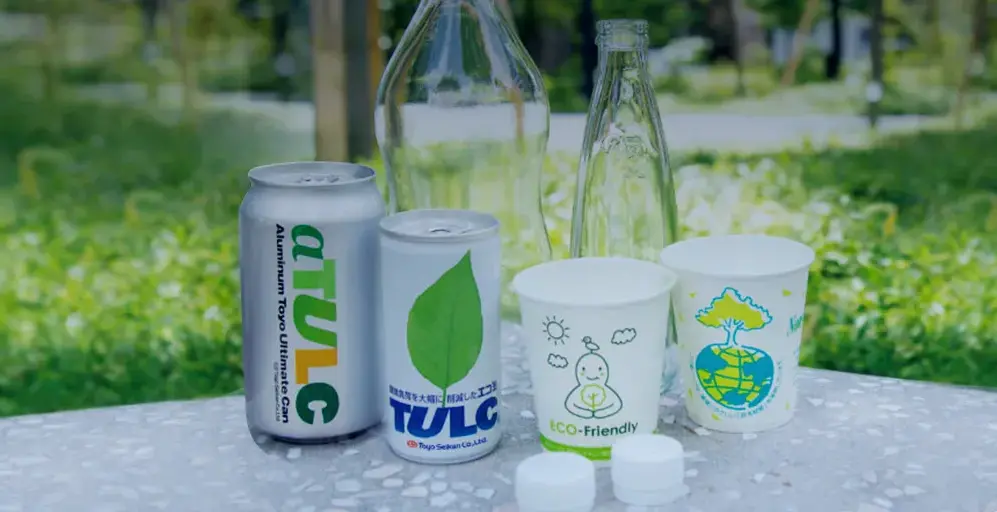
Toyo Seikan Group Holdings, Ltd. is a Japanese packaging manufacturer. Its business segments include packaging, steel plate, and machinery. The packaging division covers a wide range of products, including metal, plastic, glass, and paper containers, as well as aerosol and general filling products.
6. Silgan Holdings Inc

Silgan is a sustainable packaging supplier for consumer goods, primarily producing dispensing and specialty closures (including dispensing systems, metal closures, and plastic closures), metal containers (such as food cans and general line cans), and custom containers. Its products serve a wide range of end markets, including food, beauty and personal care, pet care, healthcare, home care, and beverages.
Silgan mainly serves North America, Europe, and other regions, helping customers bring their core products to market in the most efficient, sustainable, and cost-effective packaging formats.

7. SHINING Aluminum Packaging Co Ltd

Headquarters: Ningbo, Zhejiang, China
Founded: 2015
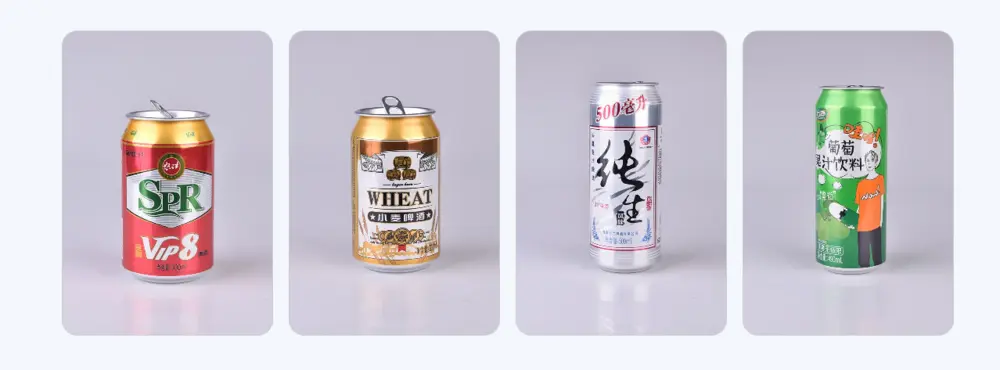
Shining Packaging is a well-established metal packaging manufacturer and supplier in China, serving more than 1,000 brands worldwide. The company focuses on aluminum and tinplate packaging, offering products such as aerosol cans, aluminum bottles, aluminum cans, tinplate cans, tubes, and cups.
It provides customized packaging solutions to meet the diverse needs of industries including food, beverages, personal care, and healthcare. With strong expertise in innovative design and large-scale production, the company ensures its customers receive effective solutions that enhance product appeal in the market.
Website: www.cnshining.com
8. Orora Group

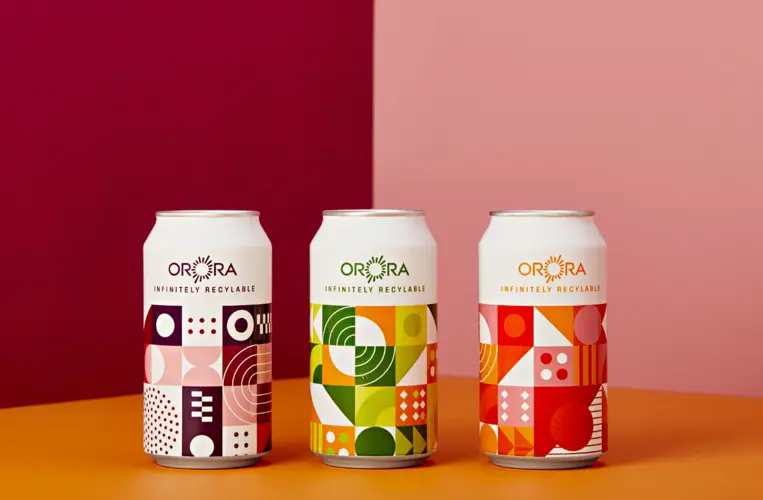
Orora is driven by innovation and sustainability, producing and supplying packaging products across Australia and New Zealand, primarily including aluminum cans and glass bottles. Orora is the largest aluminum can manufacturer in Oceania, operating six can production facilities across Australia and New Zealand and supplying around two-thirds of the local market.
In glass packaging, Orora supplies premium, high-end glassware for wine and spirits to customers worldwide.
9. Envases Group

Envases is a global provider of premium packaging solutions, offering aluminum beverage cans, tinplate cans and drums, as well as aerosol cans. It also supplies plastic containers for the food, personal care, and pharmaceutical industries.
With a core mission to deliver high-quality packaging solutions, Envases operates 92 production facilities across Europe, Asia, North America, and South America, with its primary presence in Europe and the Americas.

10. CPMC Holdings Limited
Headquarters: Hangzhou, Zhejiang Province, China
Founded: 2007
ORG Website: www.orgtech.cn
Website: cofcopack.com (currently subject to change following privatization)
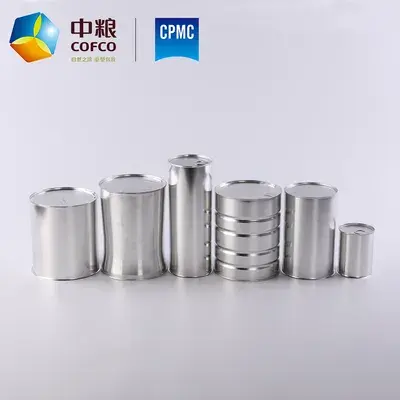
CPMC is a leading consumer packaging manufacturer in China, focusing on the mid-to-high-end market. The company produces tinplate packaging (three-piece beverage cans, food cans, aerosol cans, metal closures, steel drums, round and square cans, printed and coated cans, etc.), aluminum packaging (two-piece beverage cans, monobloc cans), and plastic packaging, primarily serving the canned food, beverage, household chemical, and other consumer goods sectors. Originally a core business unit of COFCO Group, a Fortune Global 500 company, CPMC has strong R&D capabilities and currently holds 442 patents. The company has also received multiple international awards for its exceptional product quality. CPMC operates in both domestic and international markets, with its primary market being China. According to relevant reports, in 2025, CPMC was compulsorily acquired by Huarui Fengquan Development Limited, a holding company controlled by ORG Technology.
Trends in the Aluminum Can Industry
The aluminum can industry is increasingly being shaped by two key forces: sustainability and efficiency. As one of the most recyclable packaging materials, aluminum continues to gain traction—driven by both stricter environmental regulations and growing consumer awareness around sustainability. In response, manufacturers are actively advancing can recycling and lightweighting technologies aimed at reducing material usage, lowering production costs, and cutting carbon emissions, all of which help make aluminum cans even more competitive in the global packaging market.
Alongside these shifts, innovation in can design and functionality is accelerating. From sleek can shapes and premium finishes to digital printing and small-batch customization, aluminum cans are increasingly serving as a powerful branding tool. The rapid growth of the ready-to-drink (RTD) beverage market and the rise of on-the-go consumption are further fueling demand, prompting manufacturers to develop packaging solutions that are more functional, convenient, and visually distinctive.