

The sleek can is a common type of aluminum beverage can. With a body diameter of 57.4 mm (smaller than the standard 66.1 mm) it has a slim and elongated shape with clean lines, giving it a more modern, premium look and making it easier to hold. It is widely used for carbonated drinks, energy drinks, beer, functional beverages, soda water, coffee, as well as juices and tea.
The growing popularity of energy drinks, functional beverages, and premium alcoholic drinks has driven the expansion of the sleek can market. These cans offer a stylish, contemporary appearance and strong branding potential, making them especially appealing to younger consumers and lifestyle-oriented buyers. From 2020 to 2024, the sleek can market grew from $5.4 billion to $6.0 billion, with energy drinks expected to account for 39.6% of the market in 2025.(Source)
This article analyzes six brand cases to clearly explain why brands choose sleek cans and when it is most appropriate to use them.
Analysis of Six Brand Cases
Coca-Cola Sleek Can
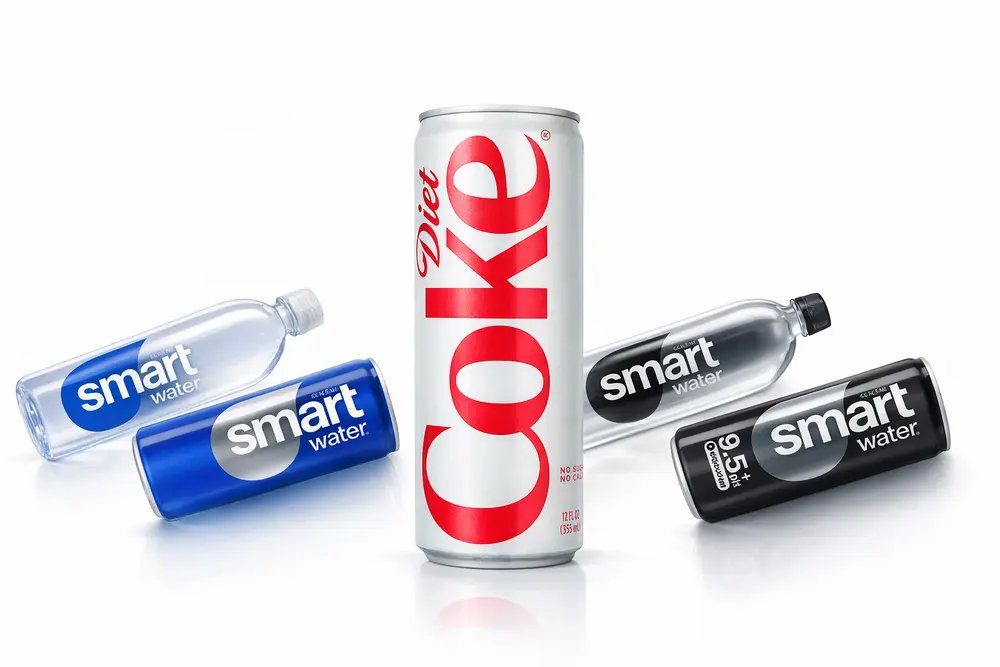
Beyond product-level packaging differentiation, Coca-Cola frequently uses sleek cans for its Diet Coke line to attract young women and fashion-conscious consumers. In addition, its premium brand Smartwater also offers a 12 oz sleek can version.
Diet Coke is a mainstream zero- or low-calorie sparkling soft drink, catering to consumers who enjoy soda but are looking to reduce sugar intake. Smartwater, on the other hand, is positioned as a clean, refreshing canned water, targeting the premium hydration and functional water segment. Both brands emphasize minimalist, stylish, and modern design in their packaging.
Pepsi Sleek Can
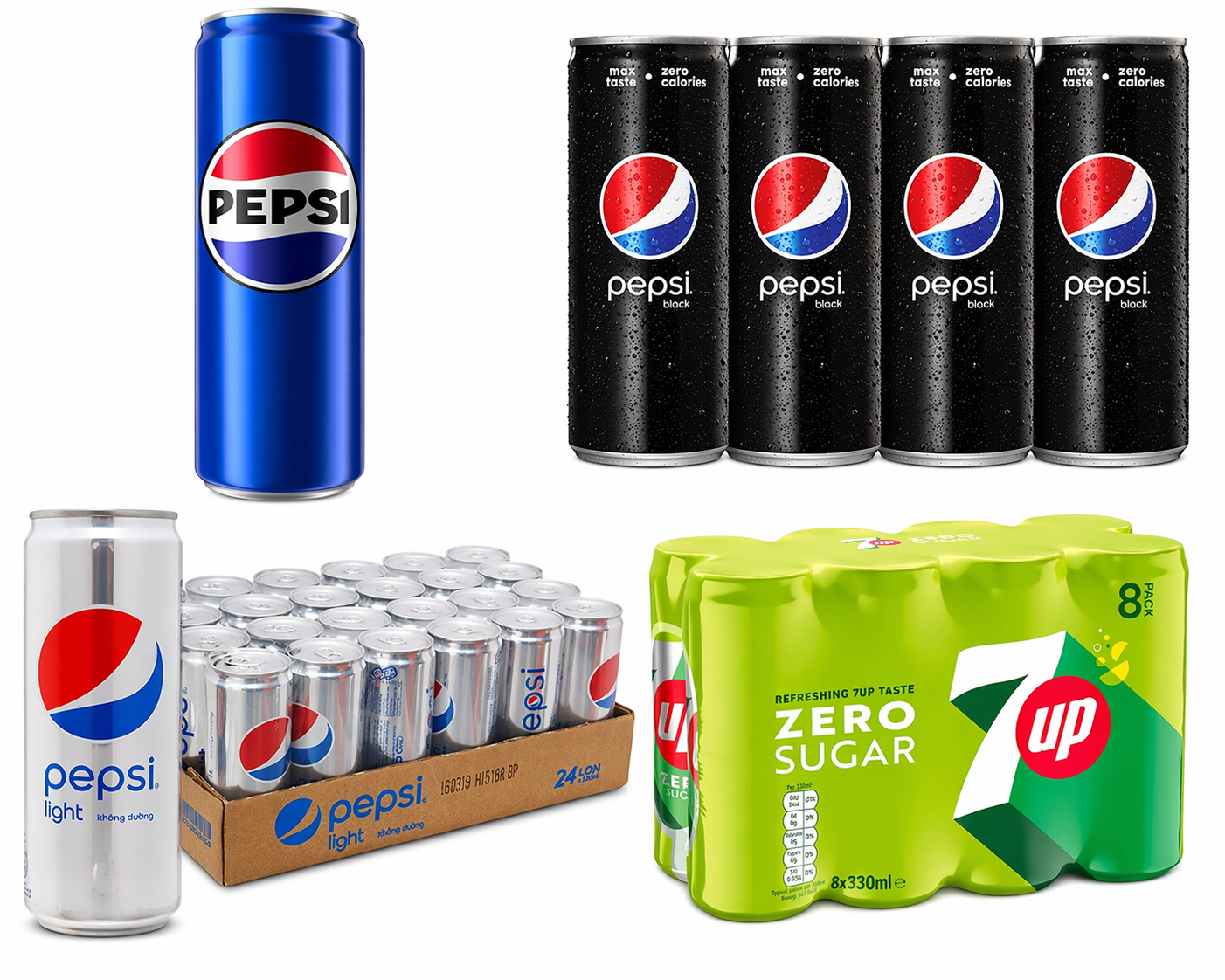
Pepsi, another soft drink giant, also makes frequent use of sleek can packaging. For example, Pepsi Zero Sugar (Pepsi Black) is widely offered in 250 ml and 330 ml sleek cans. In addition, Diet Pepsi and the sugar-free version of 7UP often use sleek cans to differentiate themselves from their regular variants.
OLIPOP Sleek Cans
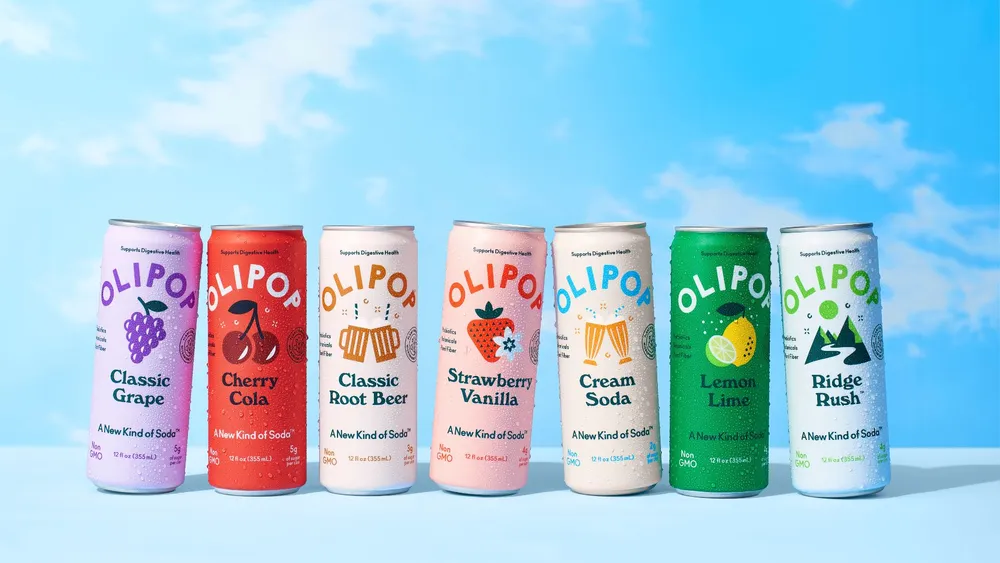
While many sparkling water and energy drink brands widely adopt sleek cans, OLIPOP’s core 12 oz (355 ml) products still mainly use the standard can format (short and wider). As a functional soda brand focused on gut health, OLIPOP emphasizes prebiotic fiber and low sugar content. It has become a breakout brand in the U.S. functional beverage market in recent years, appealing to a broad audience with a core base of health-conscious younger consumers.
Its packaging follows a “modern nostalgia” concept, combining bright retro tones with soft pastel backgrounds to create a fresh, cheerful, and dopamine-driven aesthetic.
Interestingly, in a category crowded with sleek cans, OLIPOP’s standard can creates a visual contrast that conveys a stronger sense of substance and presence on the shelf. However, to better fit narrow convenience store shelves and vending machine rails, OLIPOP has also introduced sleek can versions in recent years.
Heineken Sleek Can
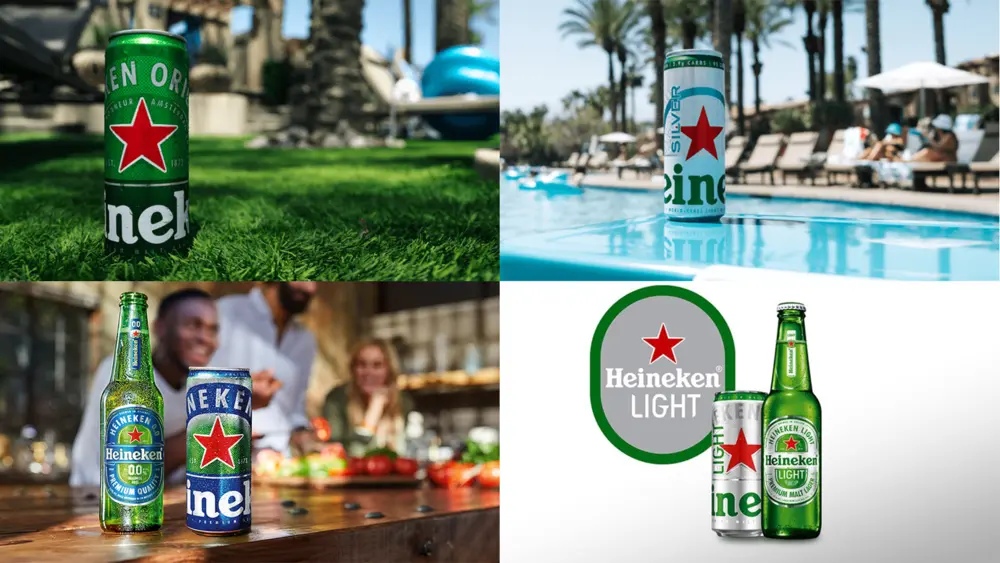
Heineken is arguably one of the most proactive traditional beer brands globally when it comes to promoting sleek cans. On its official product pages, sleek cans appear frequently—especially for Heineken Silver and Heineken 0.0, which are the two products that most commonly use this format.
Heineken Silver contains only 2.9 grams of carbohydrates and 95 calories, offering a distinctly smooth and refreshing taste aimed at younger consumers. Heineken 0.0, meanwhile, is a 0.0% alcohol-free option with a crisp profile, featuring light fruity notes and a gentle malt flavor.
Heineken’s canned beer packaging is stylish and modern, with a strong urban lifestyle appeal. The sleek can format further enhances its attractiveness to young, urban, and fashion-conscious consumers, as well as to those who are mindful of calories and lifestyle choices—including some who may not typically drink alcohol.
Budweiser Sleek Cans
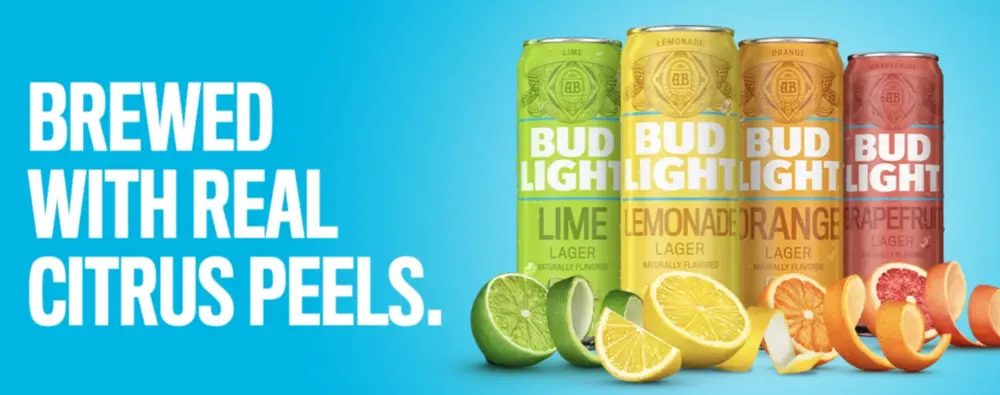
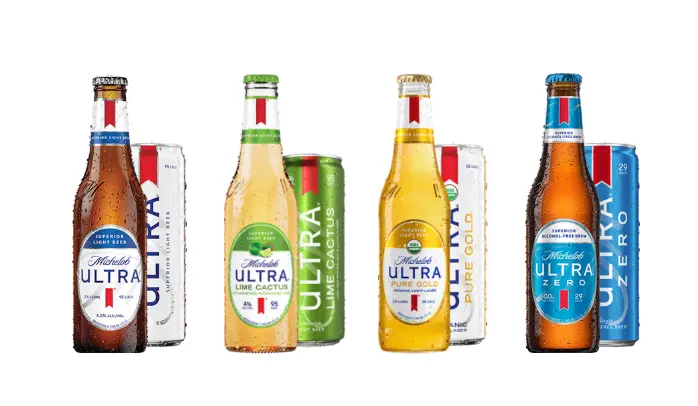
Budweiser adopts a relatively flexible packaging strategy. Within its portfolio, Bud Light and Michelob Ultra primarily use sleek cans, emphasizing health, low calories, and a light, refreshing drinking experience—well suited to fitness-oriented consumers. In contrast, Budweiser’s classic products are more commonly packaged in standard cans.
Corona Sleek Can
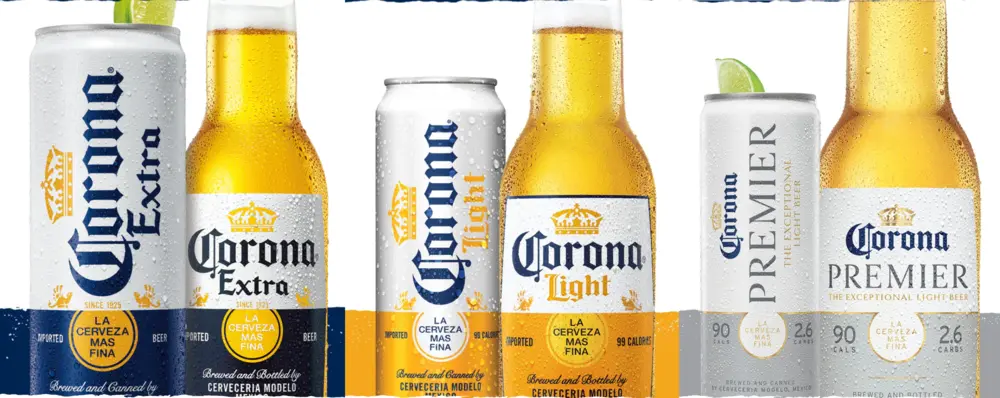
The Corona sleek can is a packaging format introduced for Corona Extra (as well as variants like Corona Light and Premier) to enhance modern appeal, portability, and sustainability. While retaining the brand’s signature “beach lifestyle” image, it elevates the overall look through a slimmer shape and refined design details, creating a more stylish, lightweight, and premium lifestyle impression.
Why Brands Choose Sleek Cans
Brands typically choose sleek cans for several key reasons:
1. Enhancing a Premium Image
The slim, elongated shape feels more refined and sophisticated, naturally conveying a sense of “premium” and “stylish” branding. It resonates strongly with younger consumers and works particularly well for craft beer, RTDs, and functional beverages.
2. Stronger Shelf Impact
Compared to standard cans, sleek cans are more distinctive and stand out more easily on retail shelves, helping capture the attention of younger shoppers.
3. Aligning with Health and “Light Drinking” Trends
Smaller formats (such as 250 ml) better match trends toward low sugar, low alcohol, and portion control, creating a perception of being lighter and less burdensome.
4. Versatility Across Consumption Occasions
The tall, slim design is easy to hold and carry, making it well suited for outdoor activities, parties, and on-the-go consumption, while enhancing overall user experience.
5. Supporting Brand Differentiation
Compared to traditional can formats, sleek cans make it easier for new brands or product launches to establish a distinctive visual identity—especially in social media environments where appearance matters.
When to Use Sleek Cans
Choosing the right beverage can format requires balancing multiple factors, including brand positioning, product characteristics, protection and functionality, printing feasibility, materials and cost, logistics, and filling processes. No single can type is ideal for every situation. Therefore, Shining Packaging evaluates these factors holistically to provide tailored recommendations, helping beverage producers achieve their desired market impact.
If you’re unsure which format to choose, the standard can is usually the safest and most reliable option. However, if your goal is to highlight a more refined brand image, differentiate from traditional products, or target a younger, health-conscious audience, sleek cans can make it easier to establish a distinct product identity.
In many real-world cases, brands adopt a hybrid strategy—for example, using sleek cans for line extensions (such as low-calorie or premium variants) while keeping the core products in standard cans, as seen with brands like Budweiser and Coca-Cola.
Conclusion
Sleek cans are more than just a packaging format—they are a strategic branding tool. With their slim, modern appearance, they help brands convey a premium image, attract younger consumers, and align with current trends such as low sugar, light drinking, and functional beverages. As seen in the practices of brands like Coca-Cola, Pepsi, Heineken, and Budweiser, sleek cans are often used for new product launches, niche segments, or premium lines to drive differentiation and enhance market performance.
Overall, when a brand aims to stand out visually, communicate a refined lifestyle, or target younger and health-conscious consumers, sleek cans are a highly effective choice. Meanwhile, for stability and broad compatibility, the standard can remains the more reliable baseline option.