
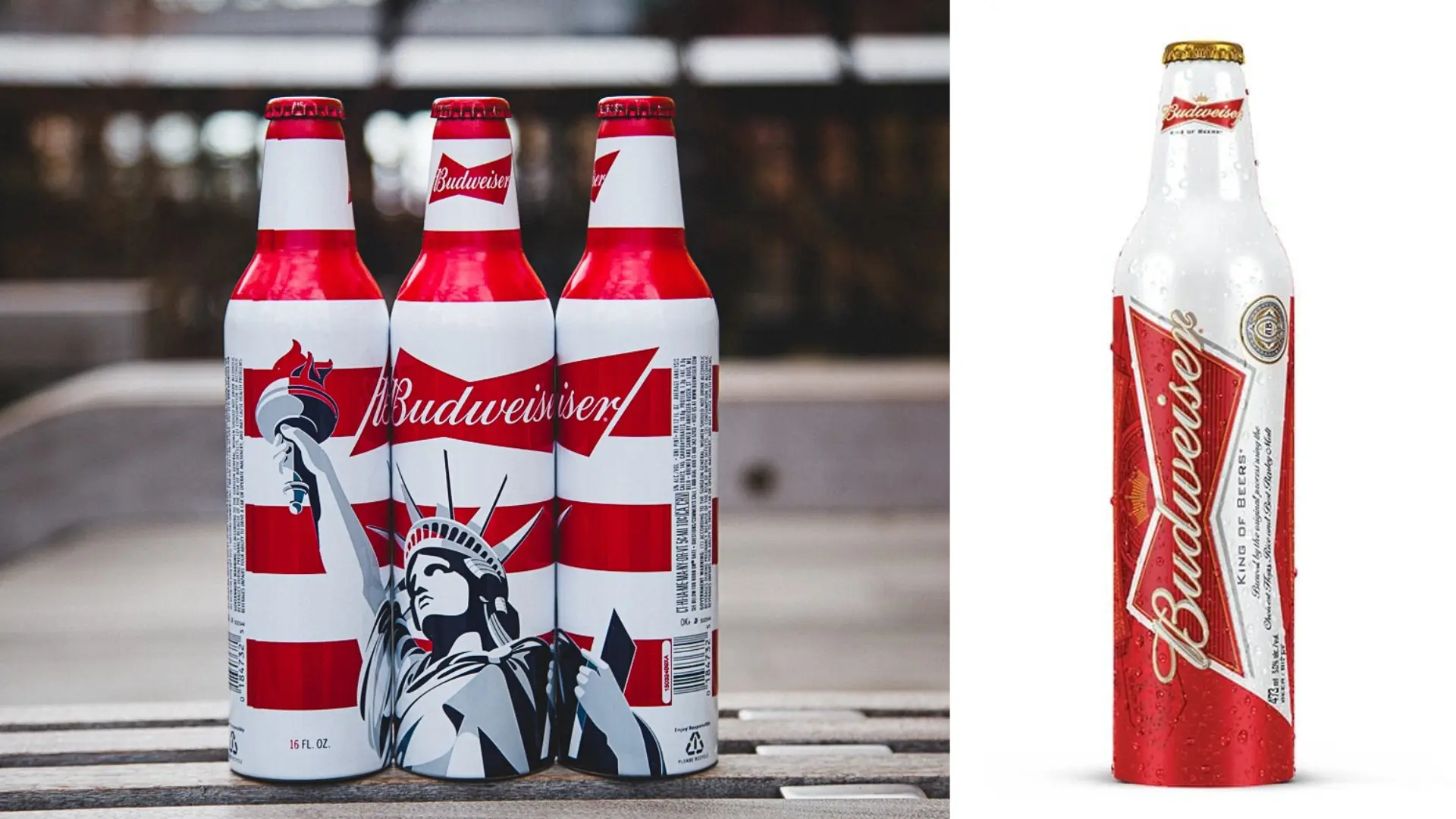
The beer industry has seen a shift toward aluminum bottle for beers due to their lightweight nature and recyclability. Market data indicates that the North America aluminum beverage bottles market is projected to grow from $562.20 million in 2025 to $931.52 million by 2032. This trend reflects consumer preferences for sustainable packaging options.
Breweries are adopting Budweiser aluminum bottle styles to meet demands for eco-friendly products. Industry reports highlight how aluminum reduces carbon footprints compared to glass, with some studies showing a 42% lower impact. This positions aluminum as a key player in modern beverage packaging.
Brand Story: From Tradition to Innovation
The Budweiser aluminum bottle represents a blend of heritage and forward-thinking. Brands like Budweiser have historically used glass, but the move to aluminum signifies a commitment to innovation. Founders often cite the need for packaging that aligns with environmental goals while maintaining product integrity.
In interviews, designers emphasize how aluminum bottle for beers allows for better insulation and portability. One industry expert noted, “Aluminum packaging embodies a brand’s evolution toward sustainability without compromising on quality.” This narrative enhances consumer loyalty through storytelling.
Environmental Advantages of Aluminum Packaging
Aluminum’s infinite recyclability makes the Budweiser aluminum bottle for beers a sustainable choice. Reports from 2025 show aluminum bottles reducing waste in landfills significantly. This aligns with global trends where consumers favor eco-conscious products, boosting brand reputation.
Compared to glass, aluminum requires less energy for production and transportation. A recent study revealed that switching to aluminum beer bottles can cut emissions by up to 30%. Third-party comments from environmental groups praise this shift as a step toward greener brewing practices.
Innovation in Material and Production
The Budweiser aluminum bottle utilizes offset printing for vibrant designs, enhancing shelf appeal. With a capacity of 16 fl. oz and accessories like pull ring caps, it offers convenience. Manufacturers focus on BPA-free materials to ensure safety and compliance with FDA standards.
Innovation extends to surface treatments that improve grip and durability. Industry insights suggest that aluminum bottle for beers trends in 2025 emphasize customization, allowing brands to stand out. Experts comment that this flexibility drives market growth in craft segments.
Design Possibilities: Shaping Aesthetics
The design of the Budweiser aluminum bottle showcases unlimited possibilities, from unique shapes to intricate graphics. Patriotic themes, like Statue of Liberty motifs in red, white, and blue, transform packaging into art. This elevates the product’s perceived value.
Surface processing techniques enable matte or glossy finishes, appealing to visual senses. Designers note how aluminum beer packaging allows for 360-degree printing, creating immersive experiences. Consumer feedback highlights how such aesthetics influence purchasing decisions in competitive markets.
Enhancing Brand Value Through Aesthetics
Aesthetic innovation in Budweiser aluminum bottle for beers turns functional items into collectibles. The integration of bold colors and symbolic imagery resonates with cultural narratives. This approach not only attracts attention but also fosters emotional connections with consumers.
From a PR perspective, stunning designs generate media buzz. Journalists often cover how sustainable beer bottles with artistic elements reflect brand identity. Third-party reviews commend the premium feel, noting increased sales linked to visually appealing packaging.
Consumer Perspectives on Aluminum Bottles
Consumers appreciate the Budweiser aluminum bottle for its portability and cooling properties. Surveys indicate preference over glass due to shatter resistance, ideal for outdoor events. This meets the needs of active lifestyles in today’s fast-paced world.
From a journalist’s view, stories highlight how aluminum bottle for beers enhances user experience. Comments from beer enthusiasts praise the lightweight design, saying, “It keeps beer colder longer.” Such feedback underscores the practical benefits driving adoption.
Journalistic Insights into Market Trends
Reporters track how the Budweiser aluminum bottle fits into broader industry shifts. With aluminum cans holding 64.1% market share in 2023, bottles are gaining traction. Articles discuss the conversion to aluminum as a response to consumer demands for convenience.
PR strategies emphasize storytelling around patriotic design beer bottles. Industry commentators note, “Aluminum packaging is the future for premium beers.” This perspective helps brands position themselves as innovators in a competitive landscape.
PR Strategies for Aluminum Packaging
Public relations efforts for Budweiser aluminum bottle for beers focus on sustainability narratives. Campaigns highlight recyclability to build trust. PR professionals advise integrating data, like market growth projections, to substantiate claims and engage stakeholders.
Collaborations with influencers amplify reach. Comments from PR experts suggest that authentic stories about benefits of aluminum bottles for craft beers resonate. This approach not only boosts visibility but also aligns with ethical marketing trends.
Industry Caveats and Expert Opinions
Experts provide balanced views on aluminum vs glass beer bottles. While aluminum offers advantages, some prefer glass for taste preservation. A 2025 report states aluminum’s insulation is superior, keeping beverages cold three times longer than cans.
Third-party analyses from packaging firms note the cost-effectiveness of Budweiser limited edition aluminum bottles. One commentator remarked, “Aluminum’s versatility supports creative branding.” These insights inform strategic decisions in the sector.
Future Trends in Beer Packaging
Looking ahead, aluminum bottle for beers will incorporate smart technologies like QR codes for interactivity. Trends predict a 4.28% CAGR for aluminum closures by 2034. This evolution promises enhanced consumer engagement and traceability.
Sustainability will dominate, with brands adopting fully recyclable designs. Industry forecasts suggest sustainable beer packaging trends 2025 favor aluminum for its low environmental impact. Experts anticipate wider adoption across global markets.
Challenges and Opportunities
Despite growth, supply chain issues pose challenges for Budweiser aluminum bottle production. However, opportunities arise in customization for niche markets. Analysts predict that addressing these will accelerate market expansion.
Innovation in coatings will improve barrier properties. Comments from suppliers indicate that recyclable beer bottles are key to future success. This positions aluminum as a resilient option amid changing regulations.
As representatives of Shining Packaging, a premier manufacturer and supplier in the aluminum packaging industry, we recognize the transformative potential of the Budweiser aluminum bottle. Our expertise in producing high-quality aluminum bottles for beers underscores the value of innovation and sustainability. Looking forward, we anticipate further advancements in eco-friendly designs, encouraging brands to partner with reliable suppliers for enhanced market positioning.