
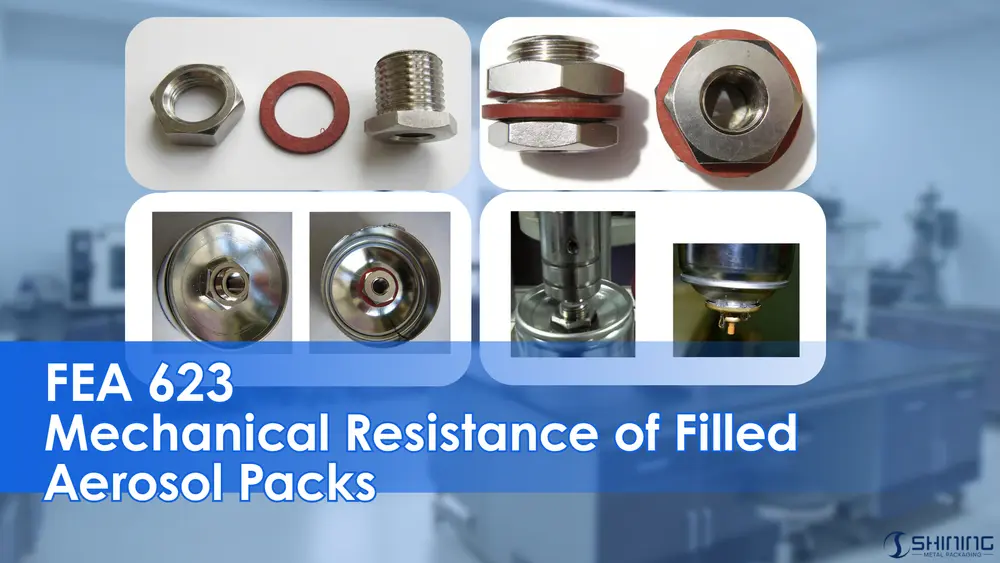
Standard Overview
FEA 623 is an industry standard issued by the European Aerosol Federation (FEA) that defines a simplified hydraulic test method to evaluate the mechanical resistance of filled aerosol packs fitted with a valve.
Unlike FEA 621, which evaluates empty containers, FEA 623 assesses the complete aerosol system:
- Container (metal or plastic)
- Valve and dip tube
- Clinch or crimp interface
Scope and Applicability
The method applies to:
- Metal aerosol containers (tinplate or aluminium)
- Plastic aerosol containers
- Containers fitted with a valve by clinching or external crimping
The test is primarily intended for:
- Product development
- Design validation
- Comparative system evaluation
Safety Warning
The test may result in:
- Sudden bursting of the aerosol pack
- Ejection of the valve assembly
Appropriate shielding and operator protection are mandatory.
Test Equipment
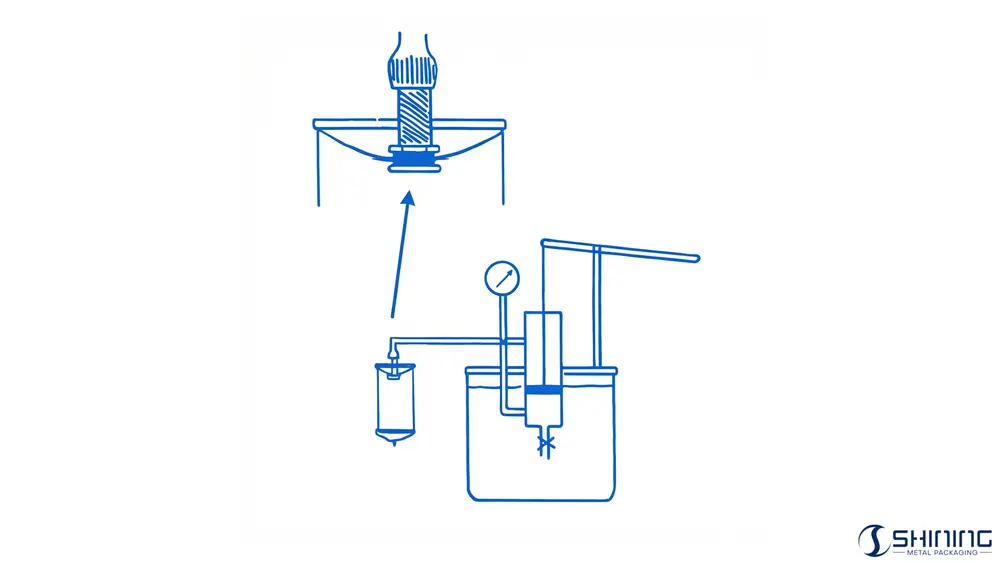
The test setup requires:
- Hydraulic pump
- Pressure gauge with maximum pointer
- Minimum scale resolution of 1 bar
Test Preparation
The test sequence is as follows:
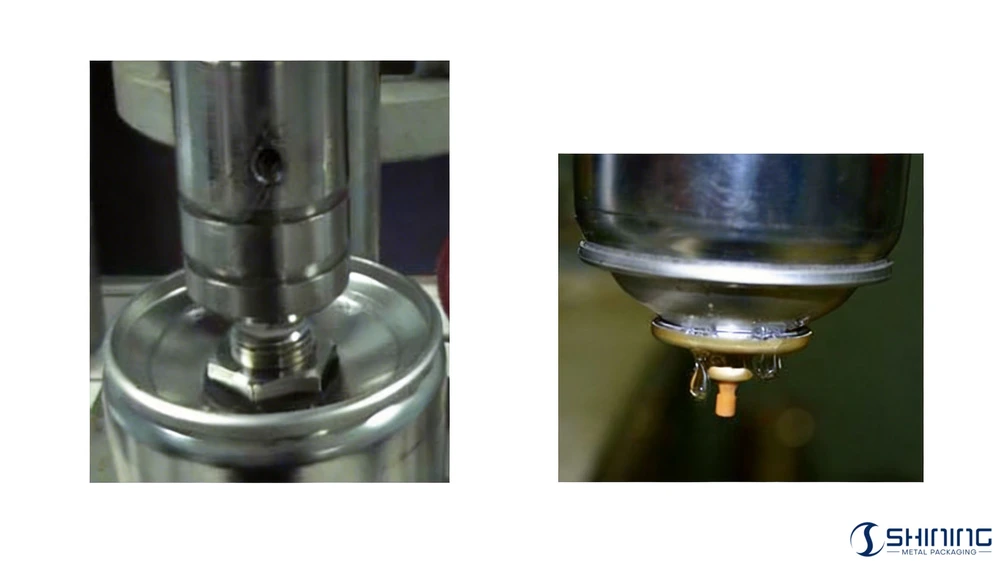
- A pump connector is assembled to the bottom of the container
- An aerosol valve with dip tube is clinched or crimped onto the container
- The container is completely filled with water at 20 ± 5 °C
- The container is connected to the hydraulic pump
All trapped air must be removed by applying a small pressure (approximately 1 bar) and actuating the valve with the container inverted.
Pump Connector Configurations
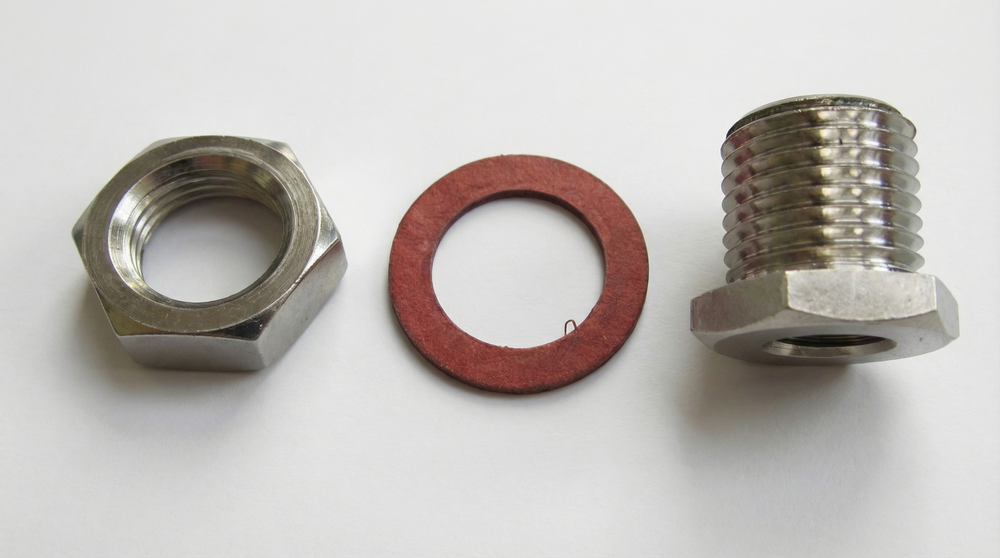
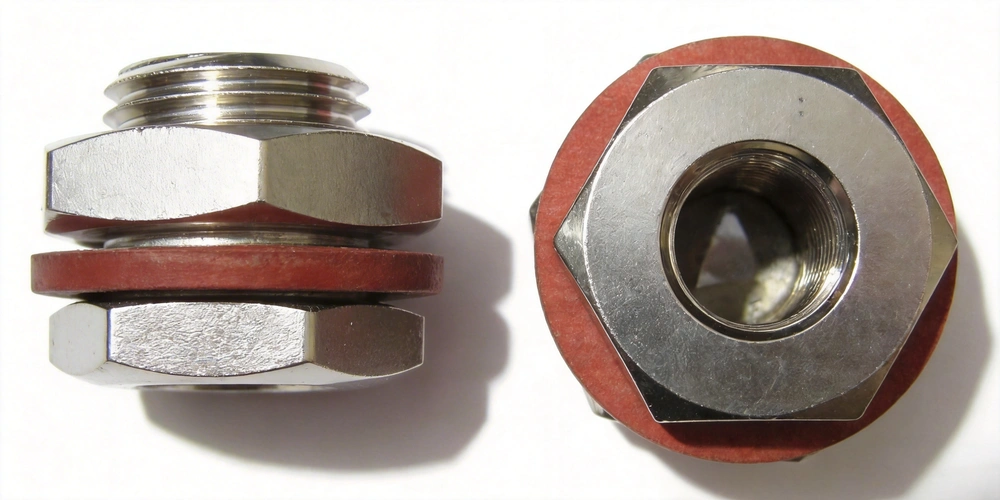
Two pump connection methods are permitted:
- Drilled bottom with tyre valve (internal components removed)
- Drilled bottom with screw fitting and gasket
The hole diameter:
Must not exceed 9 mm in any case
Must not exceed 20% of the container diameter
Test Procedure
After preparation:
Pressurisation continues until leakage or bursting occurs
The container is pressurised hydraulically
Pressure increase rate must not exceed 1 bar per second
Observed Failure Modes
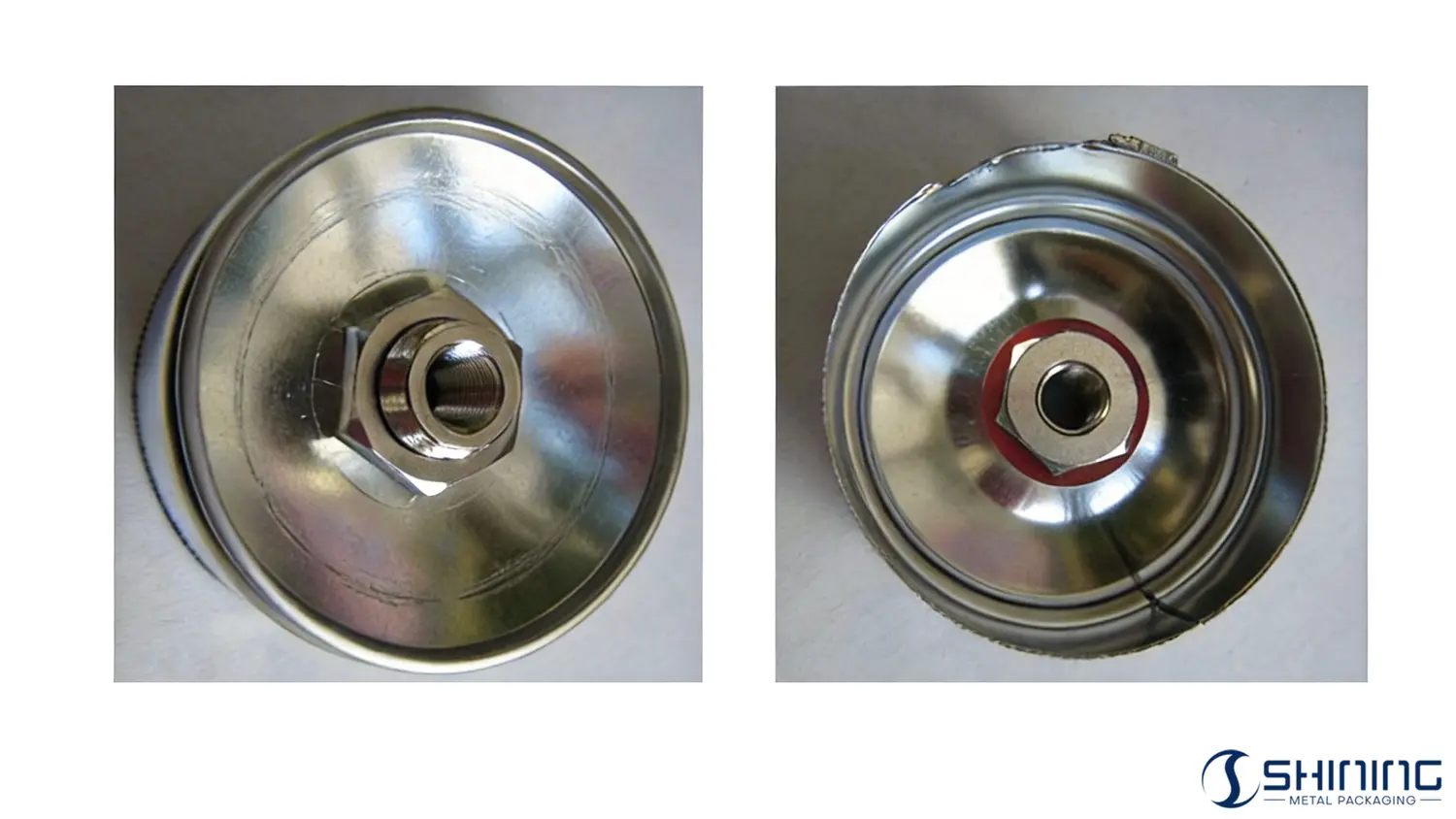
During testing, deformation or failure may occur at:
- Valve cup or centre boss
- Container shoulder or cone
- Cylindrical body
- Container bottom
- Valve–container junction
Reporting Requirements
The test report must include:
- Details of container, valve, and clinch/crimp method
- Sample size
- Pressure at which deformation occurs, by component
- Leakage locations
- Pressure at bursting or valve blow-off
Engineering Significance
FEA 623 provides a fast, comparative method to:
- Evaluate container–valve system robustness
- Compare alternative materials or designs
- Identify weak points in assembled aerosol packs
It is especially valuable during:
- New product development
- Valve or container redesign
- Supplier qualification
Relationship with Other Standards
- FEA 621 – Pressure resistance of empty containers
- FEA 606 – Water bath testing of filled aerosol packs
- ADR / RID – Transport regulations
Download the Standard PDF
FEA 623 standard describing a simplified hydraulic test method used to evaluate the mechanical resistance of filled metal and plastic aerosol containers fitted with valves. It defines pressurization procedures to identify deformation, leakage, or bursting, helping assess container strength during product development and safety testing.
FAQ – Engineering & Development
No. It is a development and assessment method, used to support design decisions rather than regulatory approval.
Water eliminates variability from formulation behaviour and significantly improves test safety.
No. FEA 623 complements but does not replace regulatory water bath tests.
It allows controlled hydraulic pressurisation, but must be minimised to avoid distorting results.
The drilled hole alters container strength, so absolute pressure values must be interpreted comparatively.