
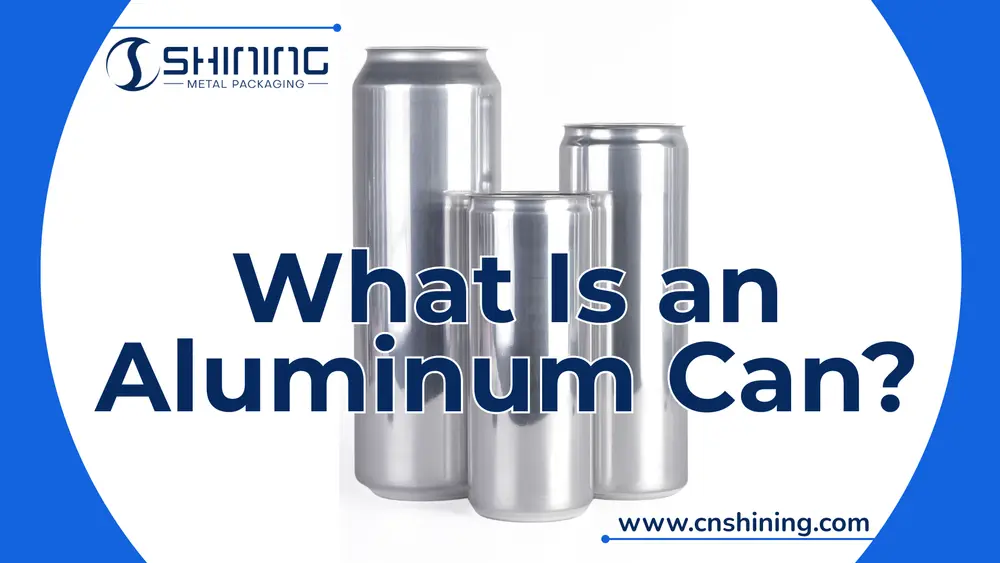
An aluminum can is a single-use packaging container made mostly of aluminum with a coated interior. These cans are used for beverages (sodas, beer, energy drinks) and many foods (soups, vegetables, etc.). With roughly 180 billion cans produced worldwide each year, beverage and food cans represent the largest use of aluminum globally.
Aluminum Can Material and Construction
Mostly Aluminum
About 75% of beverage cans are aluminum, with the remaining 25% made of tin-plated steel. (Tinplate cans are more common for some food products.) Aluminum is extremely abundant, lightweight, and corrosion-resistant (it does not rust).
Alloys
The body (sides and bottom) of an aluminum can is typically made from a strong aluminum alloy such as 3004 or 3104 (these include small amounts of manganese and magnesium for strength). The lid (can end) is stamped from a slightly different alloy (commonly 5182) that has higher magnesium for hardness.
Two-piece Design
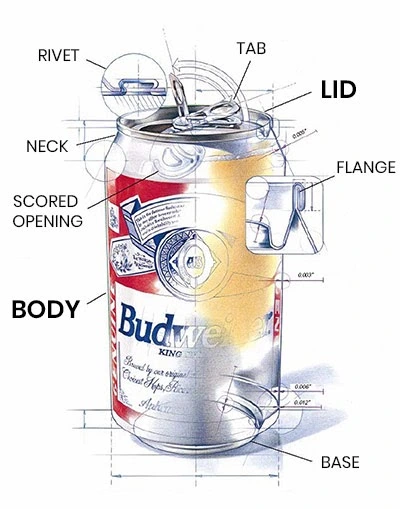
Most modern beverage cans are made in two pieces. A flat aluminum blank is cold-drawn into a cylindrical body with an integral bottom. After filling, a separate lid is mechanically double-seamed onto the open top; this process joins five layers of metal between the body and lid to create a hermetic seal.
The can end plays a critical role in sealing performance.
See the detailed aluminum can end manufacturing process.

The final sealing stage is known as double seaming, which creates a hermetic joint between the body and the lid.
Read: Double Seaming Process in Can Manufacturing
Historically, drink cans were made up of three components—a top (end), a bottom, and a rolled and soldered or welded cylindrical body—and while some manufacturers still produce three-piece aluminum cans today, this construction is far less common for beverages due to the efficiency, lighter weight, and superior sealing performance of two-piece designs.
Interior Coating
Inside the can, a thin polymer or epoxy lining is sprayed on to protect the beverage from contacting the metal. This prevents corrosion (and metallic tastes) from acidic drinks. (Modern linings are carefully formulated; older epoxies used BPA but most food-grade linings today avoid that.)
Aluminum Can Properties
Aluminum cans offer many advantages for packaging:
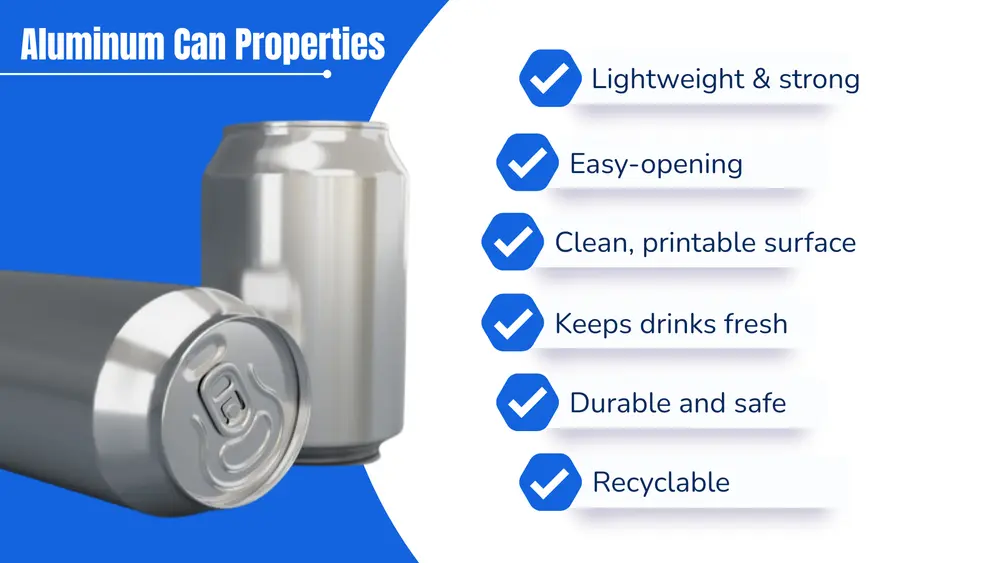
- Lightweight & strong: Much lighter than glass or steel cans but still strong enough to handle pressure (especially when filled with carbonated drinks). This reduces shipping weight and material use.
- Easy-opening: Nearly all aluminum beverage cans use an easy-open pull tab built into the lid, so no separate can opener is needed.
- Clean, printable surface: The smooth aluminum surface can be high-quality printed or wrapped with attractive labels. Cans are easier and cheaper to print graphics on than other containers.
- Keeps drinks fresh: Aluminum cans block light and oxygen very effectively. This helps maintain a drink’s carbonation and freshness.
- Durable and safe: Cans do not shatter like glass bottles, so they are durable and safer to transport (especially outdoor events). They can also be stacked tightly, saving space.
- Recyclable: 100% recyclable with infinite recyclability without quality loss.
Sustainability and Recycling
Aluminum cans are widely regarded as one of the most sustainable packaging options:
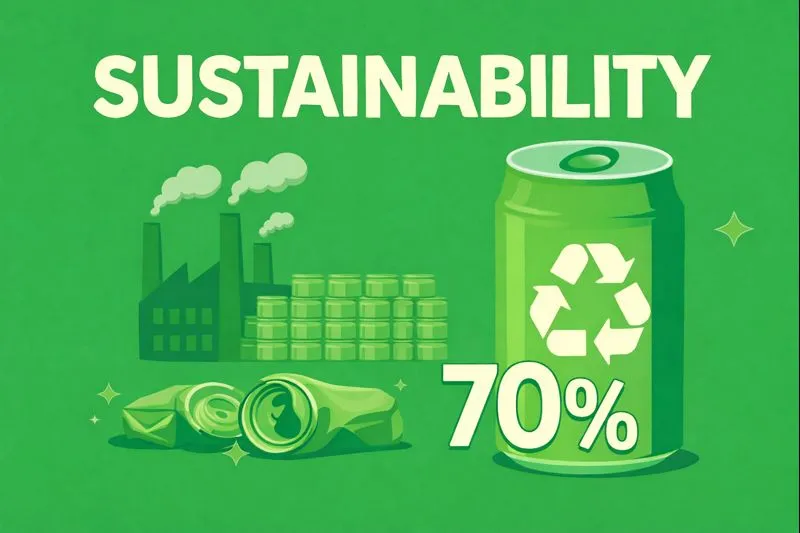
- High recycling rates: Globally about 69% of aluminum beverage cans are recycled. In some countries >90% (e.g. Switzerland).
- Energy savings: Producing new cans from recycled aluminum uses only ~5% of the energy required for primary production (95% savings).
- Closed-loop reuse: Recycled cans are remelted into new cans with no quality degradation.
- Environmental impact: Full recycling in the US could save ~$1.2 billion/year and significant energy.
Frequently Asked Questions
A: The can body is typically made from 3004 or 3104 aluminum alloy, which contains manganese and magnesium to provide the necessary strength and formability for deep drawing.
A: Ends are usually 5182 alloy with higher magnesium content for increased hardness and score-line performance, ensuring reliable opening without excessive force or tear-outs.
A: Typical burst pressure exceeds 90–100 psi (6.2–6.9 bar) for carbonated soft drinks, but exact values depend on wall thickness, dome profile and alloy temper — always request burst test data from suppliers.
A: Most major manufacturers have transitioned to BPA-non-intent (BPA-NI) or alternative epoxy-free coatings. Always request the latest compliance declaration (FDA, EU 10/2011) for your specific product category.
A: Industry guidelines (e.g. Can Manufacturers Institute) typically require a minimum seam tightness and overlap that achieves a hermetic seal — visual and teardown inspection per CMI or ISO standards is recommended during line qualification.
A: Many beverage cans now contain 70%+ recycled content (including post-consumer scrap). Higher recycled fractions are achievable but may slightly affect formability — confirm with supplier capability for your specification.
A: Yes, but special high-temperature coatings and modified neck profiles are required to prevent coating degradation and maintain vacuum resistance after cooling. Not all standard beverage cans are suitable for hot-fill.
A: Excessive vacuum (hot-fill cooling), under-carbonation, improper seaming, thin sidewalls or excessive stacking load are common causes. Measure axial load resistance and vacuum paneling during line trials.