
In beverage can manufacturing, the internal lining is one of the most critical components of the entire packaging system. Although it is just a thin film applied to the inside of the aluminum can, it plays a vital role in preventing the beverage (especially acidic or carbonated drinks) from coming into direct contact with the metal surface. This thin coating is the only barrier between your beverage and bare aluminum, ensuring that the flavor remains exactly as intended.
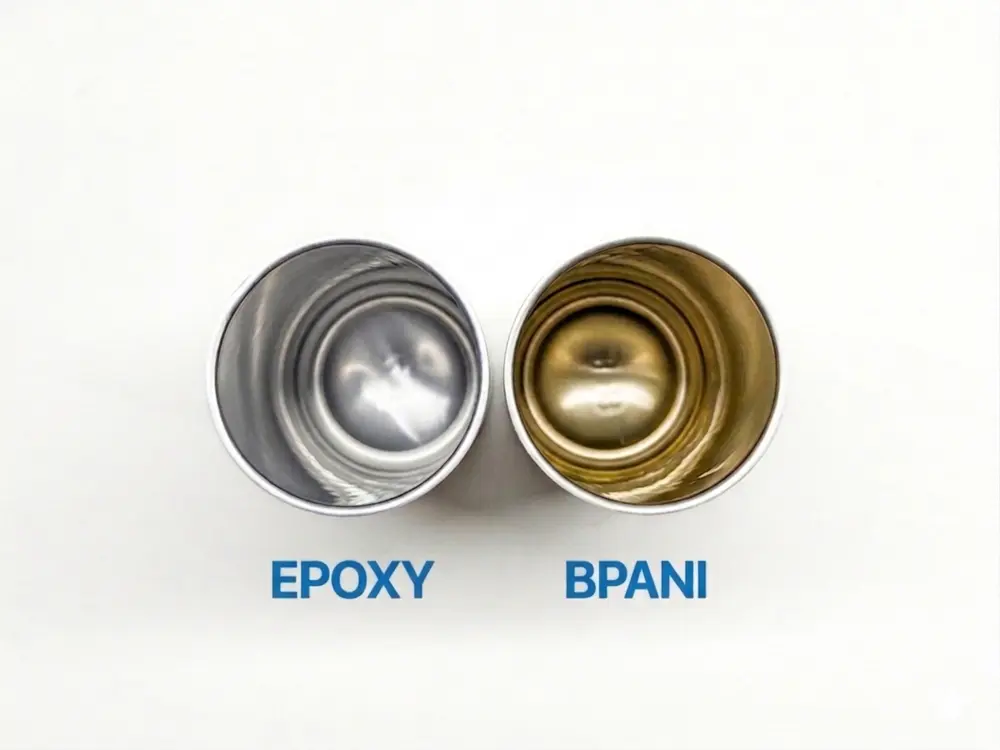
Today, the industry primarily uses two types of internal coatings: traditional epoxy liners and newer BPA-NI (non-intentionally added BPA) liners. Each option has its own strengths in terms of performance, regulatory acceptance, and manufacturing considerations. For beverage brands, packaging engineers, and can manufacturers, understanding these differences is essential to selecting the most suitable lining system.
What Is BPA?
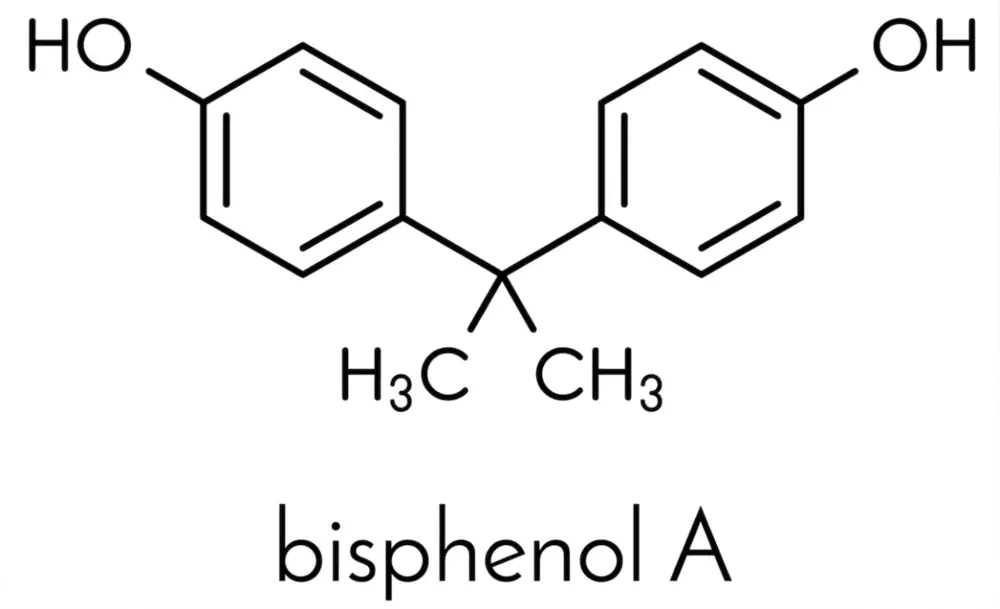
Bisphenol A (BPA) is an industrial chemical used in the production of certain plastics and resins. It is commonly used to manufacture polycarbonate plastics and epoxy resins, both of which are widely applied in food-contact materials.
In the packaging industry, BPA has historically been used in epoxy resins that form protective coatings inside food and beverage cans. These coatings help prevent corrosion and protect the product from contamination by the metal container.
Because epoxy resins containing BPA have been used for decades, they have a long history of performance and reliability in food packaging applications. However, increasing public attention to chemical exposure has led to growing interest in alternative lining technologies.
Types of Beverage Can Liners
Modern aluminum beverage cans typically use one of three liner categories: Epoxy liners, BPANI Generation 1, and BPANI Generation 2 coatings. Each technology offers different advantages and limitations depending on beverage type, regulatory requirements, and market expectations.
| Feature | Epoxy Liners | BPANI Gen 1 Liners | BPANI Gen 2 Liners |
|---|---|---|---|
| Material Composition | Epoxy resin containing BPA | Acrylic-based coating | Polyester or modified resin |
| BPA Content | Contains BPA | BPA-NI | BPA-NI |
| Barrier Properties | Excellent protection against corrosion and flavor changes | Effective barrier performance | Comparable to epoxy in many applications |
| Durability | Highly durable, suitable for aggressive or acidic beverages | Durable but may vary depending on formulation | High durability and improved stability |
| Chemical Resistance | Very strong resistance to acidic liquids | Moderate to strong | High resistance, closer to epoxy performance |
| Health / Regulatory Considerations | Legal in many markets but may require labeling in some regions | BPA-free but may contain acrylic or styrene compounds | BPA-NI; typically styrene-free and compliant with current EU food-contact material regulations |
| Industry Adoption | Long-established industry standard | Early BPA-free alternative introduced after 2015 | Newer generation with wider regulatory compatibility |
If second-generation BPA-NI coatings seem nearly perfect in every respect, why aren’t all manufacturers using them? In reality, the choice of internal lining often depends on a range of factors, including the beverage formulation, filling process, target export markets, and regulatory requirements.
Overall, traditional epoxy liners remain widely used in the beverage can industry, thanks to their decades-long track record and strong compatibility with existing production lines. However, as manufacturers and brands increasingly look for BPA-free packaging solutions, BPA-NI coatings (especially second-generation options) are seeing growing adoption.
Regulations and Market Considerations
Production and Cost Factors
Traditional epoxy liners have been used in beverage can manufacturing for decades. As a result, many production lines are optimized specifically for these coatings. Switching to alternative lining systems may require process adjustments, validation testing, and additional cost considerations.
For this reason, epoxy liners often remain the most practical and cost-efficient option for certain markets and beverage applications.
United States and Canada
In North America, epoxy liners containing BPA are still considered legal for food-contact applications. According to the U.S. Food and Drug Administration (FDA), current scientific evidence supports the safety of BPA at the levels typically found in foods and beverages. (source)
However, regulatory requirements may vary at the state level. For example, California’s Proposition 65 requires businesses to provide warning labels if their products may expose consumers to chemicals listed by the state, including BPA. As a result, some companies choose BPA-free alternatives to avoid labeling requirements or potential consumer concerns. (source)
European Union
Regulations in the European Union are more restrictive. Under EU Regulation (EU) 2024/3190, the use of BPA in food-contact materials has been banned, including coatings used inside beverage cans. The regulation officially took effect in January 2025, with a transition period extending until July 2026 for most products. (source)
This means beverage products exported to the European market must use BPA-free liner systems, such as BPANI coatings.
The Future of Beverage Can Liners
The beverage packaging industry continues to evolve as new materials and technologies are developed. While epoxy liners remain a reliable and widely used solution, the market is gradually expanding toward BPA-free alternatives that meet stricter global regulatory standards.
For manufacturers, the key considerations when selecting a liner include:
- Beverage formulation (acidity, alcohol content, carbonation)
- Shelf-life requirements
- Production compatibility
- Regulatory compliance in target markets
- Cost and supply chain stability
- Shifting consumer perceptions and growing demand for BPA-free packaging
As global regulations and market expectations continue to evolve, both epoxy and BPANI liner systems will likely coexist, each serving specific applications and regional requirements.
From the perspective of manufacturers like Shining Packaging, the goal remains the same: ensuring beverage cans provide safe, stable, and high-quality packaging while meeting the technical and regulatory needs of beverage producers worldwide.
Frequently Asked Questions
A: No. Traditional epoxy liners contain BPA, but BPANI Gen 1 and Gen 2 are BPA-NI. Engineers should specify BPANI for EU or Prop 65 markets; procurement teams must request supplier declarations to confirm liner type before ordering.
A: Epoxy liners provide the highest resistance and durability for aggressive acidic liquids. BPANI Gen 2 approaches epoxy performance in most applications. Always validate with your specific formulation pH and conduct accelerated shelf-life testing to avoid flavor migration risks.
A: Yes. They are BPA-NI and typically styrene-free, meeting EU Regulation (EU) 2024/3190. Procurement should require CoA and migration test reports; production lines may need minor nozzle or curing adjustments during transition.
A: Gen 1 (acrylic-based) was an early BPA-free option post-2015 with moderate durability. Gen 2 (polyester/modified resin) delivers higher stability and closer-to-epoxy barrier properties. Gen 2 is preferred for high-speed lines and global regulatory compliance.
A: Yes. Existing lines are optimized for epoxy; BPANI may need process validation, cure-time adjustments, and coating-weight checks. Factor in 4–8 weeks of testing and potential capital cost for new applicators before committing volume.
A: It triggers warning labels for BPA exposure, prompting many brands to adopt BPANI to avoid labeling. Procurement should evaluate labeling cost vs. liner premium; engineering teams must confirm the chosen BPANI maintains equivalent shelf life.
A: Assess beverage chemistry compatibility, target-market regulations, production-line compatibility, long-term supply stability, and total landed cost. Request full migration and extractables data plus 12-month real-time shelf-life studies before final approval.
A: Yes. They remain FDA-legal in the US and Canada with proven performance history. However, monitor state-level rules and consumer sentiment; many global brands now dual-source epoxy and BPANI to maintain flexibility across export regions.